Table of Contents
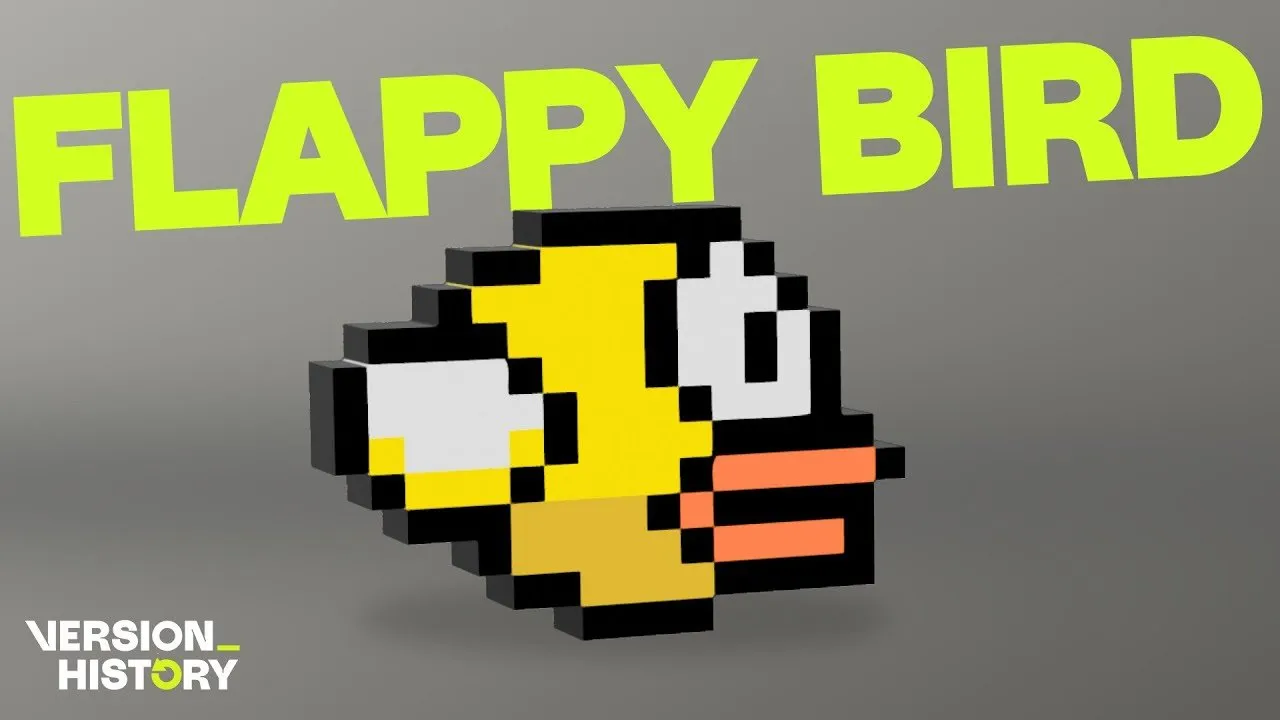
More than a decade after its release, Flappy Bird remains one of the most significant phenomena in mobile gaming history, representing both the democratization of the App Store and the perils of viral fame. Originally developed by Dong Nguyen in 2013, the game rose from obscurity to generate a reported $50,000 per day in advertising revenue before Nguyen abruptly removed it from existence in February 2014. A recent attempt to revive the brand in late 2024 has reignited interest in the title, revealing a complex web of trademark disputes and intellectual property battles that continue to shadow the game’s legacy.
Key Points
- Viral Explosion: Despite a quiet launch in May 2013, Flappy Bird hit #1 on the App Store in January 2014, amassing over 50 million downloads.
- Financial Impact: At its peak, the game earned approximately $50,000 daily, drawing intense scrutiny and harassment toward its solo developer.
- Unprecedented Removal: Citing the game’s addictive nature and the toll on his mental health, Nguyen permanently pulled the app while it was the most popular game in the world.
- 2024 Trademark Dispute: A "Flappy Bird Foundation" attempted to relaunch the game with crypto integration in 2024, utilizing trademarks Nguyen had allowed to lapse, prompting the original creator to publicly disavow the project.
The Anatomy of an Accidental Hit
Developed in Hanoi, Vietnam, by Dong Nguyen, Flappy Bird was designed with a specific philosophy: a one-handed game suitable for commuters holding a train strap. Nguyen, who programmed location devices for taxis by day, built the game over a few evenings. He modeled the mechanics on the repetitive frustration of paddle ball, stripping away the complexity found in contemporaries like Angry Birds to focus on a singular, punishing interaction.
The game utilized a "tap to fly" mechanic where players navigated a bird through green pipes reminiscent of Nintendo’s Super Mario Bros. art style. While the game launched in May 2013, it languished in obscurity until late that year, when social media users began sharing their "sheer unbridled rage" at the game's difficulty. This organic word-of-mouth campaign propelled the app to the top of the charts by January 17, 2014.
Unlike modern mobile games engineered for engagement through loot boxes or progression systems, Flappy Bird’s success was accidental. According to industry veterans, the game’s "game feel"—the specific physics of the bird’s gravity and the collision detection—was the secret sauce that thousands of subsequent clones failed to replicate.
The $50,000 Burden and Public Backlash
The turning point for Flappy Bird’s public perception occurred in early February 2014. In a rare interview with The Verge, it was revealed that the free-to-play game was generating $50,000 a day in ad revenue. This financial revelation shifted the narrative from a charming indie success story to a target for criticism.
Stephen Totilo, formerly of Kotaku and currently running Game File, noted that the discourse turned toxic as the revenue figures circulated. Accusations arose that Nguyen had "ripped" art assets from Nintendo, and the developer began receiving death threats and racist harassment. Critics questioned whether the game’s difficulty was a cynical ploy to generate more ad views, despite evidence suggesting Nguyen had no such sophisticated monetization strategy.
The pressure on Nguyen escalated rapidly. He became a celebrity in Vietnam, pursued by paparazzi, while simultaneously facing a barrage of online abuse from users claiming the game had ruined their lives through addiction.
The 22-Hour Notice
On February 8, 2014, Nguyen issued a statement on Twitter that stunned the tech world: "I am sorry, Flappy Bird users. 22 hours from now, I will take Flappy Bird down. I cannot take this anymore."
Nguyen clarified that his decision was not related to legal issues with Nintendo but was a personal choice to regain his peace. True to his word, the game was removed from app stores the following day. This decision effectively walked away from an annualized revenue run rate of $18 million.
"This is not a game you're supposed to play for hours at a time. It is a game to play while you're holding a train strap... [Nguyen] decided that if you can't be responsible with it, you can't have it."
The removal created a secondary market where smartphones with Flappy Bird pre-installed sold for thousands of dollars on eBay. It also triggered a "Gold Rush" of clones; at one point, The Guardian reported that nearly 100 Flappy Bird-inspired games were launched on iOS in a single 24-hour period. However, none achieved the cultural saturation of the original.
The 2024 "Zombie" Brand Revival
For a decade, the intellectual property remained dormant, until a confusing resurgence in 2024. An entity calling itself the "Flappy Bird Foundation" announced the return of the game, including new modes and potential cryptocurrency integration. The announcement trailer featured a "thank you" to Nguyen, implying his involvement.
However, investigative reporting revealed that Nguyen had no role in the revival. After years of filing extensions to keep the trademark, Nguyen eventually allowed his claim to Flappy Bird to lapse. A separate entity, Mobile Media Partners, acquired the abandoned trademark, which was subsequently sold to the Foundation.
Nguyen broke a years-long silence on X (formerly Twitter) to clarify his stance:
"I have no related with their game. I did not sell anything. I also don't support crypto."
To bolster their legitimacy, the new Foundation claimed to have acquired the rights to Pew Pew vs. Cactus, an obscure game they argued was the true inspiration for Flappy Bird, essentially attempting to bypass Nguyen’s moral rights to the creation.
Market Implications and Legacy
Flappy Bird’s history serves as a critical case study for the mobile gaming industry. It highlighted the fleeting nature of digital ownership—when Nguyen pulled the plug, the game ceased to exist for anyone who hadn't already downloaded it, prefiguring modern concerns about the impermanence of digital media.
Furthermore, the saga marked a shift in how the public interacts with game developers. It forced a reckoning regarding the human cost of development, illustrating that solo creators do not have the corporate buffers to shield them from the vitriol of the internet.
What's Next
While the authorized version of Flappy Bird remains offline, the brand has entered a new, litigious phase. The Flappy Bird Foundation continues to push its version of the product, leveraging the acquired trademark rights despite the original creator's disavowal. For the broader industry, the story remains a cautionary tale about intellectual property management: if a creator abandons a trademark, even for moral reasons, the market will eventually move to monetize the void left behind.