Table of Contents
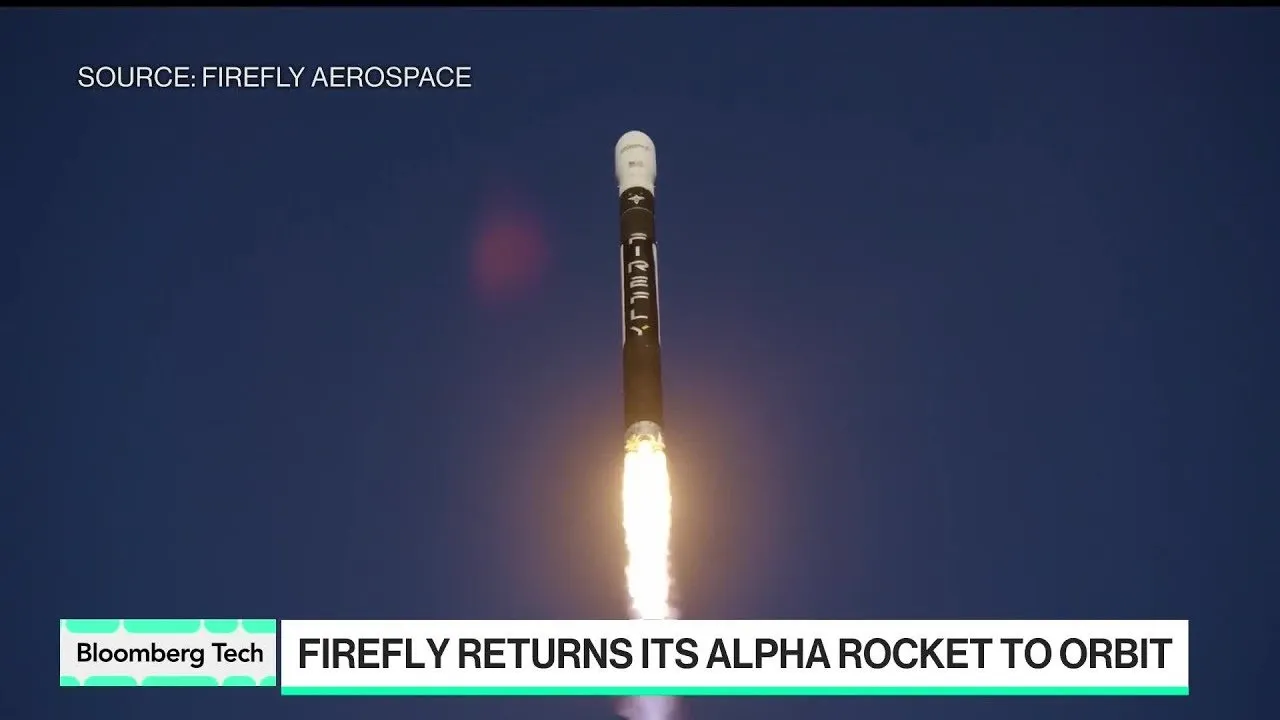
Firefly Aerospace continues to solidify its position as a critical player in the national security and lunar exploration sectors following the successful Alpha Flight 7 mission. CEO Jason M. Schwebel emphasizes that the company’s recent operational milestones, combined with a focus on cost-efficient lunar logistics, provide a significant growth runway as the firm eyes expanded partnerships with NASA and defense agencies.
Key Points
- Operational Efficiency: Firefly achieved a lunar landing for approximately $100 million, a fraction of the multi-billion dollar budgets historically required by sovereign nation-states.
- Strategic Expansion: The company is scaling its capabilities beyond launch, integrating SciTech AI algorithms to process orbital data directly via space-based data centers.
- Lunar Cadence: With NASA signaling a desire for monthly robotic lunar missions starting next year, Firefly is advocating for "block buys" to stabilize supply chains and reduce costs.
- Diversified Portfolio: The company’s ecosystem spans rocket launches, lunar landers, orbital vehicle development, and terrestrial-to-orbit AI software.
Scaling the Lunar Economy
Following the successful deployment of the first Blue Ghost lander—which completed 14 days of surface operations—Firefly is shifting its focus toward the Blue Ghost Mission 2. This next-generation mission will target the far side of the moon, building upon the momentum of the Alpha launch program. According to Schwebel, the company’s ability to execute complex space missions at a significantly lower price point than government-led programs is a direct result of utilizing commercial advanced technology.
We were the first commercial company to successfully land on the moon last year, and we're gonna build upon that momentum by our second Blue Ghost mission to the far side of the moon this time. If NASA wants to do monthly cadence of these robotic missions to the South Pole of the moon starting next year, block buys really help you with making your supply chain demand more predictable.
The move toward "block buys"—multi-unit procurement contracts—is central to Firefly’s strategy for the remainder of the year. By securing long-term commitments from NASA, the company aims to maintain strategic inventory levels and protect against supply chain volatility, which currently remains a primary challenge for aerospace manufacturers.
Integrating AI and Orbital Infrastructure
Beyond hardware, Firefly is doubling down on software integration through its SciTech subsidiary. By embedding AI algorithms into the framework of space-based data centers, Firefly is positioning itself to manage the entire data lifecycle. This allows the company to launch satellites, operate them in orbit, and process intelligence locally, reducing the latency and bandwidth requirements associated with traditional ground-station relays.
This ecosystem approach is designed to support the Golden Dome initiative and other high-priority national security projects. By controlling the stack from launch to data processing, Firefly aims to create a streamlined, cost-effective pipeline that meets the tightening budgets of defense and exploration clients.
Future Outlook
As the commercial space race enters a period of consolidation and increased scrutiny over operational costs, Firefly’s emphasis on "doing more with less" will likely serve as its primary competitive advantage. The transition from demonstration missions to a sustained, monthly lunar cadence will test the company's manufacturing scalability throughout 2025 and beyond.
For Firefly, the objective for the upcoming quarters is clear: maintain flawless launch execution while proving the long-term viability of their lunar lander architecture. If the company successfully secures the proposed block buy agreements, it could set a new industry standard for how private firms partner with government agencies to maintain a permanent presence on the lunar surface.