Table of Contents
If modern dating feels like a toxic landscape of ghosting, burnout, and endless swiping, you are not alone. Whether you are in your twenties navigating "situationships" or re-entering the dating pool later in life, the frustration is palpable. However, the problem might not be the apps or the lack of good partners—it might be your methodology.
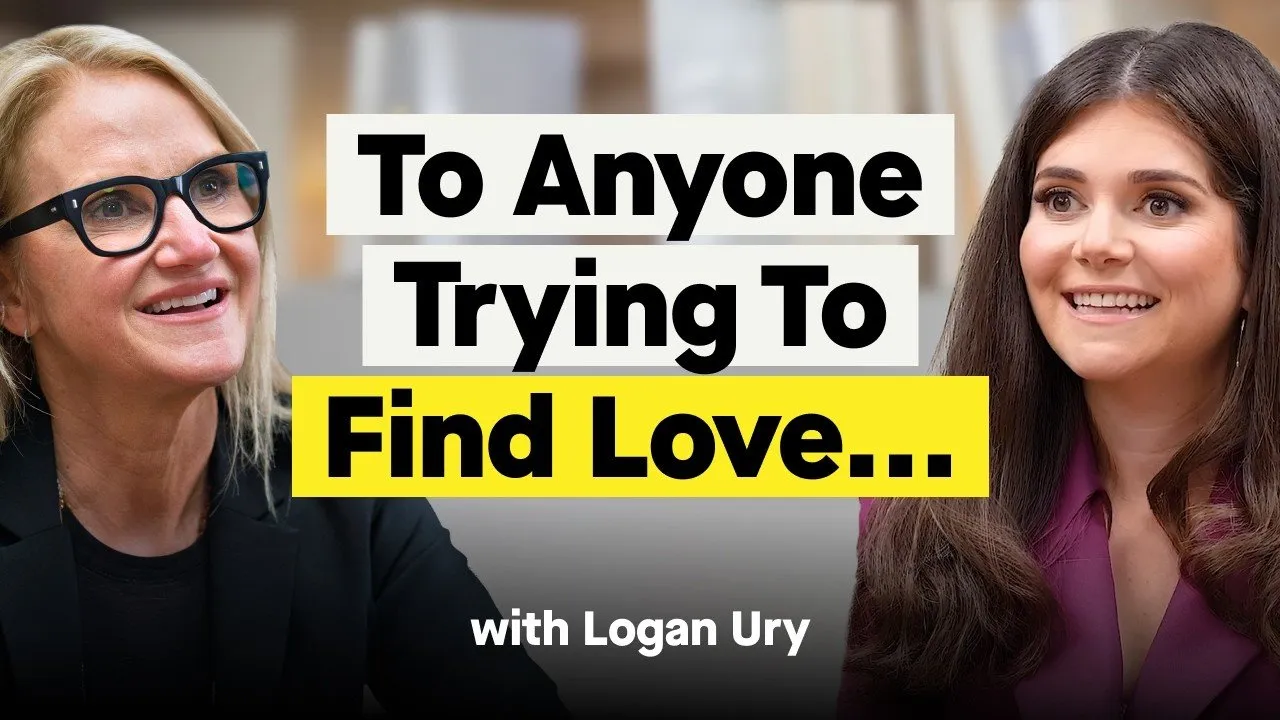
Logan Ury, a Harvard-trained behavioral scientist and the Director of Relationship Science at Hinge, suggests that we need to stop treating love like a fairy tale and start treating it like a science. By applying behavioral psychology to your love life, you can shift from a passive passenger to the driver of your own relationship journey. This approach requires testing your assumptions, redefining what matters in a long-term partner, and understanding the psychological patterns that keep you single.
Key Takeaways
- Dating is a hypothesis to be tested: Instead of adhering to a rigid checklist, treat your preferences as hypotheses. You may find that traits like "intellectual curiosity" matter more than specific credentials.
- The "Spark" is a myth: Research shows only 11% of couples experience love at first sight. A "slow burn" relationship often leads to greater long-term stability.
- Shift from evaluative to experiential: Stop asking if a date is "good enough" on paper. Start asking how you feel in their presence using the "Post-Date 8."
- Don't date potential: You cannot mentor someone into being a better partner. Date people for who they are now, not who they could become.
- Limit your choices: To avoid burnout and decision fatigue, focus on talking to fewer people at once and move from the app to a real date within three days.
Dating Like a Scientist
Many people approach dating with a "prom date" mentality. They look for someone who looks good in pictures, is fun for a night out, and offers immediate chemistry. However, this criteria rarely translates to a successful life partner. To change your results, Ury suggests adopting the scientific method.
In science, you form a hypothesis and run an experiment. in dating, this means challenging your "type." If you believe you only match with people who have advanced degrees, that is your hypothesis. Test it by going out with someone who doesn't have a master's degree but is a voracious reader. You may discover that the underlying trait you actually desire is intellectual stimulation, which comes in many packages.
"Take that checklist of what you think you should be looking for, tear it up, and instead make a new checklist of things to look for."
What Actually Matters Long-Term
Behavioral science indicates that the traits we prioritize often have little correlation with long-term relationship satisfaction. We tend to overvalue looks, money, and shared hobbies. Ury notes that looks fade, money doesn't guarantee compatibility, and you don't need identical hobbies as long as you support each other's interests.
Instead, prioritize these five traits:
- Emotional Stability: Can they regulate their emotions and pause between stimulus and response?
- Kindness: How do they treat people from whom they need nothing?
- Loyalty: Do they have long-standing friendships? This is a strong predictor of relationship loyalty.
- Growth Mindset: Do they believe they can improve and learn, or do they think their traits are fixed?
- Ability to Fight Well: It is not about avoiding conflict, but navigating it as a team working toward a solution.
The Trap of the "Spark" and the "Ick"
Two of the biggest barriers to modern connection are the obsession with the "spark" and the fear of the "ick."
Rethinking the Spark
Culturally, we are taught that true love requires an instant, lightning-bolt connection. If it isn't there immediately, we swipe left. However, data suggests that the spark is often absent at the start of successful relationships. The "mere exposure effect" dictates that we often like people more as we get to know them.
Furthermore, for many people—especially those with an anxious attachment style—what feels like a "spark" is actually anxiety. The thrill of the chase and the uncertainty of whether someone likes you can be mistaken for chemistry. A secure, stable partner might feel "boring" initially because there is no drama, but this "slow burn" is often the foundation of lasting love.
Overcoming the Ick
The "ick" refers to a sudden repulsion toward a potential partner caused by a minor, often irrelevant detail—like the sound of their velcro wallet or the socks they are wearing. While it feels like a valid reason to end things, Ury argues that the ick is often a defense mechanism. It is a way to reject someone before they can reject you, or a subconscious method to avoid intimacy.
If you find yourself frequently getting the ick, ask yourself if you are focusing on trivial details to keep people at arm's length. Someone can buy a new wallet; that doesn't define their ability to be a loving partner.
The "Post-Date 8": A New Way to Evaluate Dates
To break the cycle of judgment and anxiety, you need to change the questions you ask yourself after meeting someone. Most people enter a "job interview" mindset: Are they successful? Are they impressive? Do they like me?
Instead, use Ury's "Post-Date 8" to assess your experience:
- What side of me did they bring out?
- How did my body feel during the date? (Stiff, relaxed, or in between?)
- Do I feel energized or de-energized?
- Is there something about them I’m curious about?
- Did they make me laugh?
- Did I feel heard?
- Did I feel attractive in their presence?
- Did I feel captivated, bored, or something in between?
Focusing on how you felt rather than what you thought about their resume helps identify connections that are actually nourishing rather than just "good on paper."
Navigating Apps, Ghosting, and Rejection
Dating apps are simply a tool to connect you with people you wouldn't otherwise meet. The goal should always be to get off the app and into real life as quickly as possible. Ury recommends a "three-day rule": after three days of texting, move to a phone call, video chat, or in-person date. Excessive texting creates a fantasy version of the person that reality rarely lives up to.
How to Handle Ghosting
Ghosting often happens not because of malice, but because people lack the language to reject someone kind. However, silence is ambiguity, and ambiguity prevents closure. If you are not interested, you owe the other person clarity.
Ury suggests using a simple, copy-paste rejection text: "Hey [Name], it was great meeting you, but I don't think we are a romantic match." That is it. You do not need to provide feedback or excuses. Clear rejection is actually a kindness.
Avoiding Burnout
If you feel overwhelmed, it is likely because you are juggling too many matches. The paradox of choice states that having too many options makes us less satisfied with the decision we eventually make. Hinge research suggests that talking to five or fewer people at a time increases the likelihood of getting a date.
Connecting in the Real World
While apps are efficient, 40% of couples still meet offline. If you want to meet people organically, you have to be approachable and proactive. The days of waiting for a suitor to come to you are over.
- Peacocking: Wear a conversation starter. A bright sweater, an interesting hat, or a unique accessory gives people an excuse to talk to you.
- The "Line" Strategy: If you are waiting in line for coffee or at an event, you have a captive audience. Comment on the wait time or ask a question to bond over the shared experience.
- Engage the Group: If you see someone attractive in a group setting, don't be intimidated. Approach the group with a question like, "Can you guys settle a bet for me?" This allows you to interact with everyone without the pressure of a one-on-one approach.
Conclusion
Finding love in the modern world requires a blend of courage and strategy. It demands that you stop dating for potential—hoping to change someone into who you want them to be—and start dating for reality. It requires you to look inward at your own attachment style and patterns.
Whether you are on the apps or at a bar, the person you are looking for is likely a stranger to you right now. Bridging that gap requires risk. By limiting your choices to focus on quality, rejecting the myth of the instant spark, and checking in with how you truly feel, you move away from the toxicity of modern dating and toward genuine connection.