Table of Contents
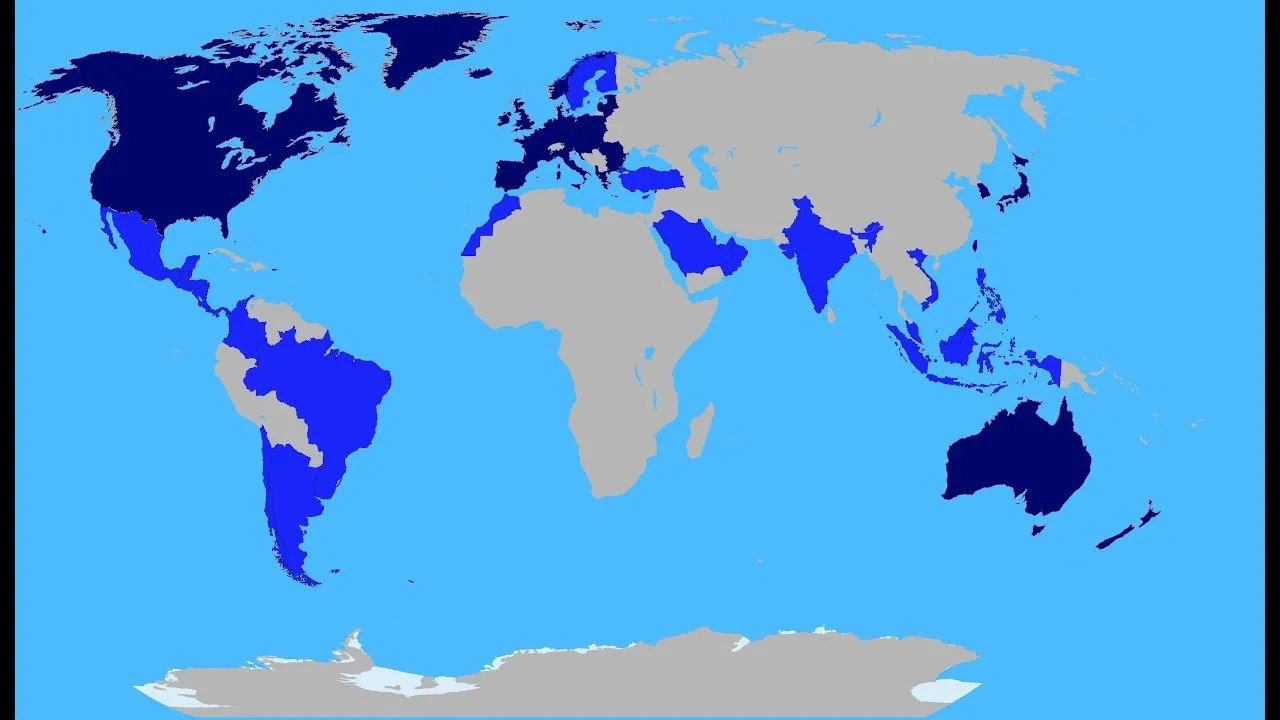
The 20th century remains one of the most anomalous eras in human history. To those living today, its norms often feel like a permanent baseline, yet history suggests these assumptions are fragile and temporary. We currently reside within the Pax Americana, a global order that functions with the complexity and reach of the Roman Empire, yet operates under the paradoxical ethos of being an anti-imperial entity. Understanding our current reality requires moving beyond the "manufactured projector screen" of modern political narratives and recognizing our place as actors within a specific, transient historical moment.
Key Takeaways
- The Trap of Modernity: Modern systems are designed to neutralize dissenters, trapping both supporters and detractors within semantic and psychological loops.
- Historical Frame Blindness: Most people are stuck inside the temporary assumptions of their own generation, making it difficult to view history with the necessary detachment.
- The Universal Person: By stripping away modern context, we can reconnect with the bedrock of human nature that remains constant across all eras.
- The Necessity of Uncertainty: Acknowledging what we do not know is an act of radical agency that prevents the "reflex" of forced, inaccurate consensus.
The Paradox of the Postmodern Empire
The Pax Americana is widely considered the most successful imperial project in history. However, its unique character stems from its "avowedly anti-Empire" branding. This creates a state of cognitive dissonance: the system exercises the functional power of an empire while maintaining the rhetoric of an anti-imperialist entity. This, in turn, creates a social ecosystem that is difficult to navigate without falling into pre-ordained traps.
Neutralizing Dissent
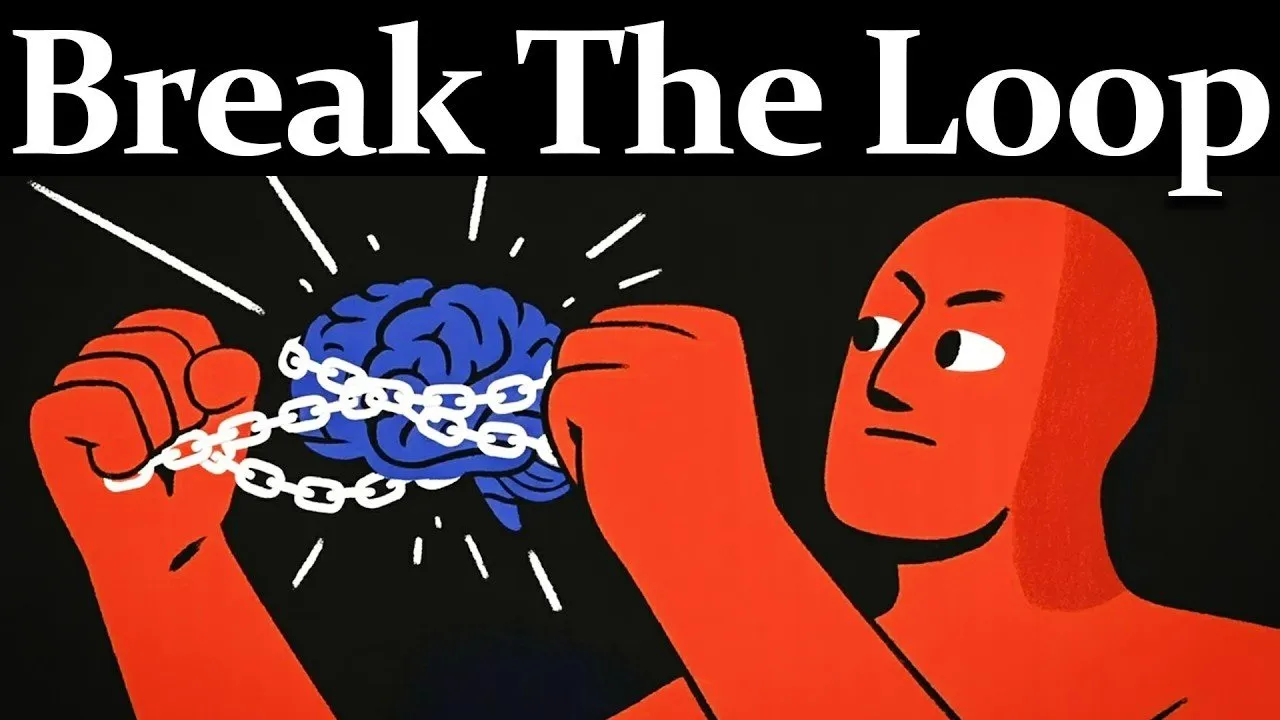
When an imperial system adopts an anti-imperial ethos, even the act of dissent becomes a maneuver within the system. If you reject the globalist infrastructure, the system’s defenders often label you as the very thing you are dismantling. This creates a "sticky" psychological trap where the semantics of the debate are controlled to prevent legitimate structural change. The result is a cycle where both the system's loudest supporters and its most performative critics end up feeding the same feedback loop.
Transcending the Historical Roller Coaster
History moves at a startling speed. If you were to transport a person from 1940 to the year 2000, or from 2000 to the present day, they would likely view the prevailing cultural assumptions as "psychotic." The issue arises when we mistake these temporary, shifting cultural norms for universal truths.
The thing you are being tested for in this era of history may be the exact opposite of the thing you are being tested for a century from now.
Holding the Iron Rod
To survive the "roller coaster" of modern history without losing one's sanity, one must develop the ability to zoom out. This does not mean disengaging, but rather recognizing that your current era is merely a dot in a vast river of time. The practice of "holding the metal stick and breathing" serves as a metaphor for staying centered in the immediate moment while remaining skeptical of the grand, shifting abstractions projected by the powers of the day.
The Universal Person and Human Nature
A path out of this historical trap involves the concept of the universal person—a perspective rooted in the Hermetica. This involves stripping away the layers of contemporary context to identify the bedrock aspects of human nature that remain constant across all of history. When we focus on these foundational traits, we find that our current struggles are not as unique as they appear.
Applying Wisdom Across Contexts
Great thinkers and leaders are often those who successfully tap into the currents of the human condition that span centuries rather than those confined to a single decade. When we read authors from ancient Greece or reflect on timeless philosophical teachings, we are reminded that our current "cultural operating system" has not been stress-tested for longevity. Much of our modern worldview, therefore, is built upon "slack" and untested beliefs that may not survive a true crisis.
Democratizing Agency Through Uncertainty
Modernity often demands immediate answers to complex problems, often using a veneer of "science" to paper over profound gaps in our collective knowledge. This creates a cortisol-spiked reflex where people feel pressured to take a stance even when they lack the understanding to do so.
As a society we use science to paper over things we don't actually know the answer to, and then we attack people who question whether or not we know the answer.
Cultivating Independent Thought
The most radical act of agency is to admit when a situation is unclear. By saying "we don't know," we create a legitimate space for thinkers to explore, debate, and experiment. This approach democratizes agency, shifting the responsibility of cultural change back onto the individual rather than relying on the "expert" class to provide forced, one-size-fits-all answers. If we are to manage the inevitable transitions of an empire, we must be willing to strategize, minimize dependencies, and openly admit where our current knowledge fails.
Conclusion
The Pax Americana is a moment in time, not an eternal state of existence. While the system appears all-encompassing, it is filled with identifiable gaps and contradictions. By refusing to be trapped in the semantics of the system, cultivating a connection to the universal aspects of human nature, and becoming comfortable with the necessity of uncertainty, individuals can reclaim their agency. We are currently the ones in the driver's seat for the cultural changes of the future. The question is not whether the system will change, but whether we will have the clarity and patience to build something that truly works when it does.