Table of Contents
The geopolitical landscape surrounding the conflict in Ukraine is undergoing a sharp transformation, characterized by a widening chasm between diplomatic maneuvering and hard military reality. While envoys shuffle between Washington and Moscow attempting to restart dialogue, the situation on the ground has shifted toward a dramatic escalation. Western powers, particularly in Europe, are doubling down on financial and military commitments despite dwindling resources, while the Kremlin appears to be moving past the phase of tentative negotiation into a strategy of decisive action. The disconnect between Western political ambitions and the operational realities in Eastern Europe suggests that the window for a negotiated settlement is closing rapidly.
Key Takeaways
- Diplomatic Stagnation: Moscow views renewed US diplomatic outreach with skepticism, treating negotiations as a stalling tactic while military objectives take precedence.
- Strategic Escalation: Russia has intensified operations, effectively blockading Odessa and targeting energy infrastructure to force a crisis point.
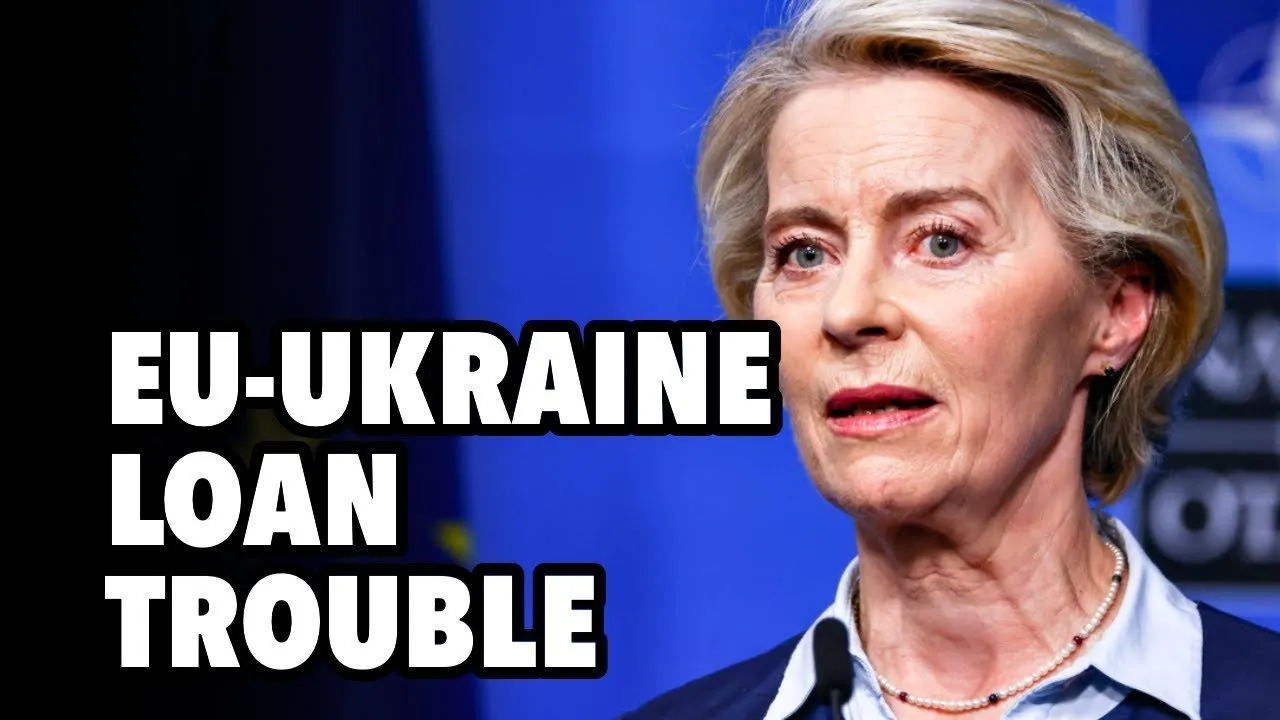
- European Financial Risks: The EU’s push for a $90 billion loan backed by frozen Russian assets faces severe legal and market hurdles.
- Internal Hardening in Kiev: Recent appointments within Ukraine’s security services suggest the administration is preparing for internal instability and prioritizing regime survival.
Washington’s Diplomatic Dilemma
There is a flurry of activity suggesting a renewed attempt by the United States to engage the Kremlin. Reports indicate that figures such as Steve Witkoff and potentially Jared Kushner are making overtures to Moscow. However, the reception within Russia is increasingly hostile. Following recent security incidents, including drone attempts near sensitive Russian government sites, a significant faction within the Russian political sphere views any meeting with US envoys as a sign of weakness.
The narrative inside Russia is shifting. Previously, there may have been a willingness to "string the Americans along" to delay Western escalation. Now, however, leading officials appear to view these negotiations as a charade. The prevailing sentiment is that the United States lacks the political capital or the military inventory to alter the war's trajectory.
The Trump Factor
Speculation regarding Donald Trump’s potential influence remains a focal point, but his leverage appears diminished. While Trump has recently critiqued Zelensky—a move some analysts interpret as an olive branch to Putin—Russian observers remain unimpressed. The inconsistency in rhetoric, fluctuating between blaming Kiev and maintaining US hegemony, has led the Kremlin to conclude that they cannot rely on American political promises, regardless of who sits in the Oval Office.
"If after a whole year it's taken... for Trump to say that it's Zelensky who's the problem... it means that you can't place any reliance on it."
Furthermore, the US finds itself in a strategic bind. There is a desire in Washington to deliver a "win" against Russia, but the material means to achieve it are absent. The US military industrial base cannot currently supply the volume of weapons required to change the outcome, and the domestic political cost of direct escalation is too high for any administration to bear comfortably.
The Escalation on the Ground: Odessa and the Grid
While diplomats talk, the military reality has fundamentally changed. Russia is no longer holding back on critical infrastructure targets. The most significant development is the de facto blockade of Odessa. Merchant ships entering and exiting the port are now being treated as legitimate targets, regardless of the flag they fly or the ownership of the grain terminals they utilize.
This blockade is coupled with a systematic campaign against Ukraine's energy grid. Unlike previous winters, where attacks were intermittent, current strikes are designed to create permanent blackouts. This strategy aims to make major urban centers uninhabitable, forcing the Ukrainian government to contend with the prospect of mass civilian evacuations. This shift indicates that Moscow no longer believes a negotiated peace is imminent and is instead pursuing total military compulsion.
Europe’s Financial and Military Overreach
Despite the deterioration on the front lines, European leadership continues to seek avenues for escalation. The European Union is pressing forward with a $90 billion loan package for Ukraine. However, the structure of this loan is precarious. It is contingent on Ukraine receiving reparations from Russia to pay it back—a scenario that assumes a total Russian defeat. When that repayment inevitably fails, the plan is to seize frozen Russian assets to cover the debt.
This proposal faces insurmountable legal and financial contradictions:
- Legal Fragility: Internal advice within the European Commission has previously flagged the seizure of sovereign assets as a violation of international law.
- Market Rejection: To fund the loan, Europe must float bonds on international markets. Investors are unlikely to buy bonds backed by assets that are legally contested and politically volatile.
"They will never give up on a bad idea... legally speaking, their position is now even weaker, in fact, significantly weaker than it was in December."
Beyond finance, European powers are engaging in risky harassments. There is talk of utilizing special forces to interdict Russian tankers in international waters. Such moves, while provocative, are unlikely to alter the strategic balance and serve primarily to maintain the appearance of action in the absence of a viable strategy.
Kiev’s Internal Power Shift
The most telling sign of the grim outlook in Kiev comes from recent personnel changes within the Zelensky administration. The appointment of a young, tech-focused Defense Minister is largely seen as a cosmetic move. However, the reshuffling of the SBU (Security Service of Ukraine) signals a darker turn.
The appointment of officials with alleged backgrounds in organized crime and reputations for ruthlessness suggests a pivot toward regime preservation. Historically, governments facing potential collapse or severe domestic unrest tend to staff their internal security apparatus with individuals prepared to use extreme measures to maintain control.
This is not a government preparing for a diplomatic breakthrough or a military counter-offensive; it is a government preparing to "hunker down." The leadership appears to recognize that the conventional war is approaching a critical failure point, and the priority has shifted to managing internal stability and preparing for insurgency operations post-defeat.
Conclusion
The trajectory of the conflict has entered a decisive phase. The West remains locked in a cycle of financial improvisation and rhetorical escalation, unable to match its political goals with military capabilities. Conversely, Russia has abandoned the hope of a negotiated settlement in the short term, opting instead to dismantle Ukraine’s economic and logistical capacity through the blockade of Odessa and the destruction of the energy grid. As winter approaches, the disparity between the diplomatic narratives in Western capitals and the harsh reality on the ground in Eastern Europe is set to become undeniable.