Table of Contents
The release of thousands of unredacted documents from the Jeffrey Epstein archive has exposed startling new connections between the disgraced financier and Silicon Valley’s elite, specifically casting new light on internal failures at Microsoft during the Surface RT era. Simultaneously, the artificial intelligence sector is heating up with a philosophical and marketing war between Anthropic and OpenAI over the future of advertising in chatbots, while hardware manufacturers face a renewed supply chain crisis.
Key Points
- Epstein’s Tech Influence: Newly released emails reveal former Windows President Steven Sinofsky shared confidential business strategy and details regarding the Surface RT failure with Jeffrey Epstein.
- AI Ad Wars: Anthropic has launched an aggressive ad campaign positioning its Claude model as an ad-free alternative to competitors, prompting defensive responses from OpenAI leadership.
- Investment Walk-backs: Nvidia CEO Jensen Huang has clarified rumors regarding a massive investment in OpenAI, shifting the narrative from a confirmed $100 billion deal to a standard invitation to participate.
- Hardware Supply Crunch: Global memory shortages are driving up hardware prices and delaying logistics for companies like Valve and Raspberry Pi.
- Regulatory Shifts: FCC Commissioner Brendan Carr is proposing significant cuts to the Lifeline program, citing fraud in California, a move critics argue targets low-income connectivity.
The Epstein Archives: A Window into Microsoft’s Surface Failure
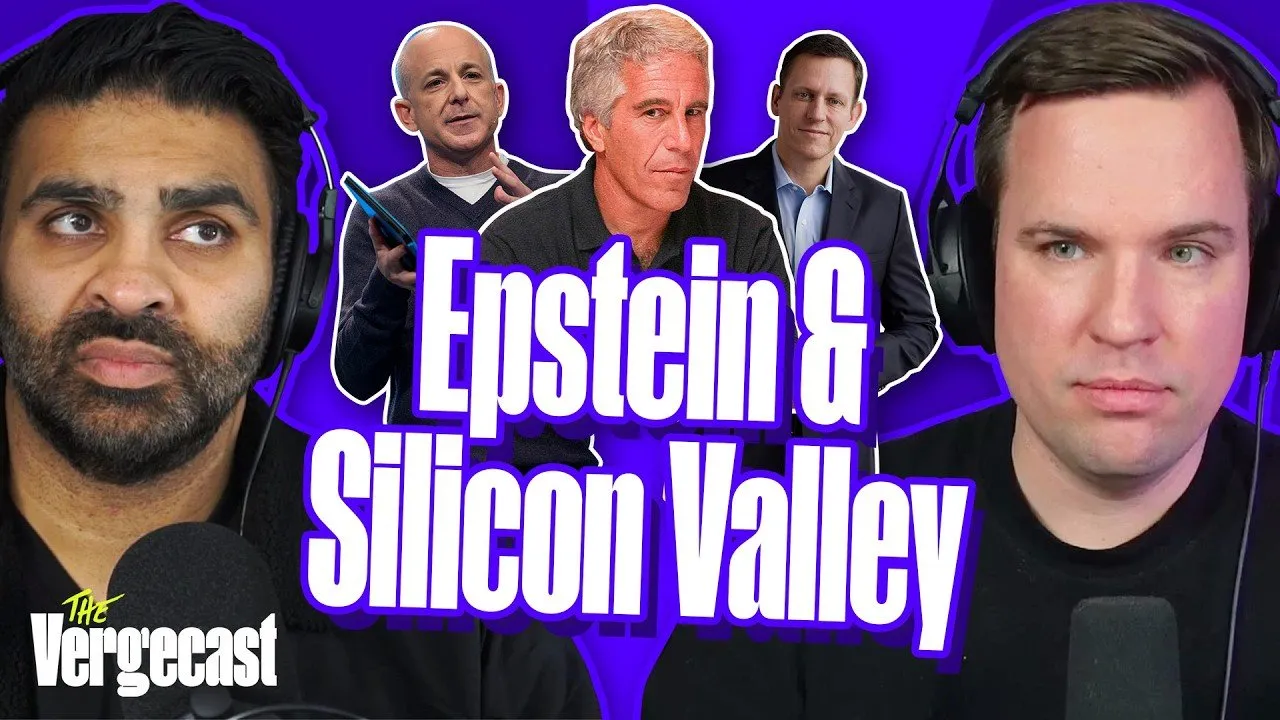
The latest tranche of documents from the Department of Justice regarding Jeffrey Epstein has provided an unprecedented, if unsettling, look into the communication habits of technology executives. While the association of figures like Bill Gates with Epstein has been previously documented, the new files reveal that Steven Sinofsky, the former head of the Windows division at Microsoft, utilized Epstein as a sounding board and advisor during critical business moments.
The emails indicate that Sinofsky corresponded with Epstein well after the financier's 2008 conviction. Most notably, the correspondence offers a detailed post-mortem of the Surface RT, a device now infamous for its commercial struggle. In emails dated November 2012, shortly before his departure from Microsoft, Sinofsky forwarded internal deliberations to Epstein, describing the product's trajectory in dire terms.
"Surface is about to catastrophically fail in a very public way. We don't know how to explain selling one-tenth the number of devices is the lowest end of the lowest expectation. Word will get out soon... This project will be labeled 'Zune' and this will be a broad failure."
The correspondence suggests that Sinofsky was navigating his exit from Microsoft—a reported $14 million settlement—with Epstein’s advice on how to handle negotiations with then-CEO Steve Ballmer. This breach of confidentiality highlights a broader trend revealed in the files: powerful industry figures treating Epstein as a central node in their professional networks, despite his criminal record.
Anthropic vs. OpenAI: The Battle for the Business Model
In the generative AI space, a distinct ideological divide is forming between Anthropic and OpenAI regarding monetization. Anthropic recently released a series of advertisements for its Claude chatbot that implicitly criticize the "enshittification" of digital platforms—the tendency for services to degrade quality over time by prioritizing ad revenue over user experience.
Anthropic also published a blog post committing to an ad-free experience, arguing that the introduction of advertising fundamentally alters the nature of personal intelligence tools. This move places pressure on OpenAI, whose ChatGPT product dominates the market but faces questions regarding its long-term revenue strategy.
The campaign prompted a swift reaction from OpenAI CEO Sam Altman and CMO Kate Rouch, who took to social media to deny plans for intrusive advertising. However, industry analysts note that OpenAI’s hiring of executives from Meta suggests a trajectory toward advertising-based revenue models, a standard evolution for platforms seeking to justify massive valuations.
Market Corrections: Nvidia, Bitcoin, and the Memory Crunch
Beyond the cultural battles of Silicon Valley, the financial realities of the tech sector are shifting. Nvidia CEO Jensen Huang recently tempered expectations regarding the company’s financial involvement with OpenAI. While reports last year suggested a potential $100 billion capital infusion, Huang clarified this week that Nvidia was merely "invited to participate" in investment rounds, signaling a more cautious approach to the AI capital expenditure bubble.
Simultaneously, the cryptocurrency market is experiencing significant volatility. Bitcoin recently dropped below the psychological threshold of $65,000, erasing gains made since late 2023. This downturn coincides with broader skepticism regarding the utility of crypto assets beyond speculative investment.
The Hardware Squeeze
Physical technology goods are also facing renewed headwinds. A global shortage of memory components is forcing price hikes and strategic pivots across the hardware industry. Raspberry Pi recently increased prices, citing component costs, while Valve, the maker of the Steam Deck, issued a transparent update regarding its future hardware roadmap.
"We plan on being able to share specific pricing and launch dates by now, but the memory and storage shortages you've likely heard about across the industry have rapidly increased since then. The limited availability and growing prices of these critical components mean we must revisit our exact shipping schedule and pricing."
This "memory crunch" poses a significant risk to the consumer electronics sector for the remainder of the fiscal year, potentially leading to higher prices for laptops, gaming consoles, and enterprise servers.
Regulatory and Corporate Pivots
In Washington, the intersection of media and regulation remains contentious. A recent Senate Judiciary Committee hearing regarding the proposed consolidation of streaming services—specifically Netflix potentially acquiring assets from Warner Bros.—devolved into partisan debates over content moderation rather than antitrust enforcement. Republican senators criticized Netflix for carrying "woke" content, diverting attention from the economic implications of media consolidation.
At the FCC, Commissioner Brendan Carr has launched an inquiry into the Lifeline program, which subsidizes broadband and phone service for low-income Americans. Carr alleges massive fraud within the program, specifically citing payments made to deceased individuals in California. Critics argue that Carr’s proposal to alter eligibility rules utilizes administrative lag times as a pretext to dismantle a safety net that connects millions of vulnerable Americans to essential services.
Meanwhile, in the fitness sector, Peloton is attempting a strategic rebrand. Following missed earnings and sluggish hardware sales, the company announced it is shifting from a "fitness company" to a "wellness company." This pivot includes a focus on strength training content tailored for users of GLP-1 weight-loss drugs, acknowledging a market shift where hardware upgrades are becoming less frequent.
As the tech industry moves further into Q1, the disparity between AI hype and hardware realities is becoming starker. Companies are forced to navigate supply chain constraints and skepticism regarding valuations, while the release of historical documents continues to challenge the reputations of the industry's previous generation of leadership.
![20 Altcoins in 30 Minutes… Most Are Dead [Here’s What’s Not]](/content/images/size/w1304/format/webp/2026/02/20-altcoins-analysis-buy-zones.jpg)