Table of Contents
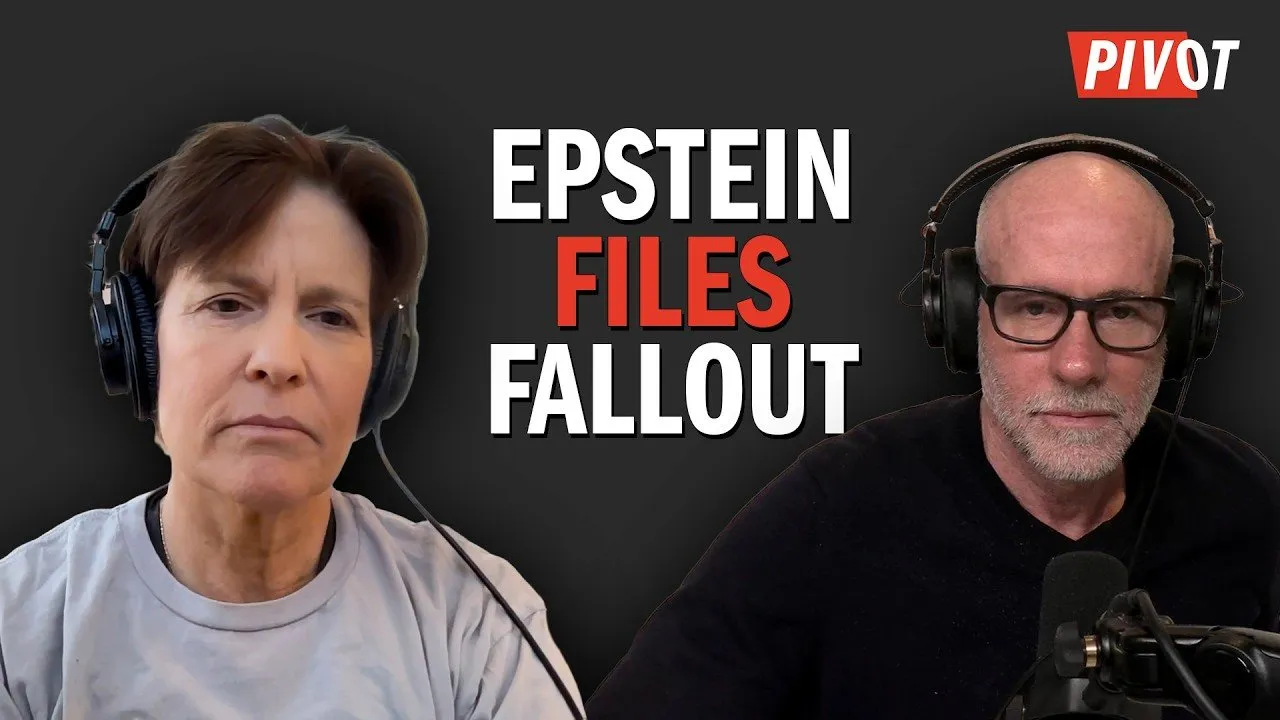
The recent release of 3.5 million pages of Epstein-related files by the Justice Department has reignited a global conversation about accountability, power, and the opaque networks that connect Silicon Valley, Wall Street, and Washington. While the headlines often focus on salacious details, the deeper implication is a systemic failure of judgment among the world's elite. At the same time, the tech world is bracing for massive shifts, from Elon Musk's potential consolidation of his business empire to the existential race for dominance in artificial intelligence. Whether it is auditing personal finances or scrutinizing the moral failures of powerful figures, the current moment demands a rigorous reassessment of who we trust and where we allocate our resources.
Key Takeaways
- The Epstein Network's nuance: The files distinguish between those who committed crimes, those who displayed catastrophic judgment by associating with a predator, and those who were merely "useful idiots" seeking intellectual validation.
- The "Radioactive Meat" strategy: Analysts predict Elon Musk may merge X (formerly Twitter), xAI, Tesla, and SpaceX into a single holding company to dilute financial losses in some sectors with the massive success of others.
- The hidden cost of convenience: A "resist and unsubscribe" audit reveals that high-net-worth individuals and average consumers alike are spending thousands more than they realize on gig-economy convenience and subscription services.
- OpenAI's fragile lead: Despite its first-mover advantage, OpenAI faces a "pincer attack" from enterprise-focused competitors like Anthropic and distribution giants like Google and Microsoft.
The Epstein Files: Criminality, Complicity, and Bad Judgment
The latest document dump from the Department of Justice regarding Jeffrey Epstein has exposed a network that stretches far beyond the initial scope of the investigation. While the legal system focuses on criminal prosecution, the court of public opinion is currently weighing the varying degrees of complicity among those named.
It is crucial to apply critical thinking to separate these individuals into distinct categories. First, there are the alleged co-conspirators who may have engaged in statutory rape and sex trafficking; these individuals require criminal prosecution. However, a larger concentric circle involves those who enabled Epstein or sought his company for status, despite the open secrets regarding his behavior.
The Arrogance of Immunity
The psychological profile of the Epstein cohort often reveals more than just sexual deviance; it exposes a class of individuals who believe they exist above the social contract. The behavior suggests a mindset where wealth and proximity to power create a perceived shield against legal and moral standards.
What it is is a group of people who feel they are not subject to laws and the standards that everyone else is subject to. I think they think... I can do it because I am not subject to the same standards and laws as everyone else.
The Intellectual Trap
A notable pattern in the files is the high volume of figures from the technology and science sectors. This highlights how Epstein utilized "intellectual salons"—often facilitated by agents like John Brockman—to lure in validation-seeking tech moguls. These individuals, desperate to be seen as philosopher-kings, ignored obvious red flags to participate in high-minded discussions, inadvertently validating a predator.
The "Radioactive Meat" Theory: Musk’s Corporate Consolidation
In the business world, speculation is mounting regarding Elon Musk's long-term strategy for his disparate companies. With Tesla facing valuation questions and X (Twitter) struggling with revenue, a new financial maneuver may be on the horizon. The theory posits that Musk will merge his entities—SpaceX, xAI, Tesla, and X—into one massive conglomerate.
This strategy draws a grim parallel to the clean-up efforts after the Chernobyl disaster, where radioactive material was diluted with clean material to make it "acceptable."
He’s basically going to take all of it... and take it all into one giant Musk AI innovation robot... because when you look at Tesla, it’s an automobile company that should be trading at 30 bucks a share, not 400.
By wrapping "radioactive" assets (overvalued stocks or underperforming platforms) inside the "clean meat" of SpaceX—which holds a dominant monopoly on space launch capabilities—Musk could stabilize his empire. This creates a stock that investors feel compelled to own due to the sheer diversity of its exposure to AI, robotics, and aerospace, effectively masking the weaknesses of individual components.
The "Resist and Unsubscribe" Financial Audit
On a personal finance level, there is a growing movement to audit the "subscription economy" that drains personal wealth through convenience fees. A deep dive into personal spending habits often reveals shocking numbers. For example, a review of a decade of Uber usage showed that what seemed like small, convenient transactions amounted to over $34,000 annually for heavy users.
This reflects a classic predatory pricing model used by gig-economy giants:
- Enter the market with subsidized, below-market pricing to destroy competition.
- Consolidate market share and create consumer dependency.
- Steadily raise prices (7-10% annually) to recoup losses and increase margins.
The "Unsubscribe" movement is not just about saving money; it is a signal to corporations. By cutting ties with platforms that engage in predatory pricing or align with disagreeable political stances, consumers regain leverage. The analysis suggests that substitutes—such as public transit, local taxis, or simply buying a vehicle—are often significantly cheaper than the cumulative cost of app-based convenience.
The AI Market: A Fragile Leadership
The artificial intelligence sector is witnessing a rapid evolution that threatens the dominance of current leaders. OpenAI, despite its massive valuation and brand recognition, is in a precarious position. The company is currently squeezed between two powerful forces:
- From Above: Tech giants like Google (Alphabet) and Microsoft have built-in distribution to billions of users. They can integrate AI into existing workflows (Docs, Search, Office) seamlessly, reducing the need for a standalone AI subscription.
- From Below: Open-source models, particularly from China and Meta, are becoming sophisticated and free, eroding the pricing power of proprietary models.
The Enterprise Pivot
A historical parallel can be drawn to the PC wars of the 1990s between Gateway and Dell. Gateway focused on the consumer market, while Dell targeted enterprise business. Dell eventually won because the enterprise market offers stability and scale. Currently, competitors like Anthropic are positioning themselves as the "safe, enterprise-ready" alternative to OpenAI, focusing on corporate clients rather than consumer chat interfaces. If OpenAI cannot secure mass consumer adoption or dominate the enterprise quickly, its valuation may prove unsustainable.
Conclusion
Whether examining the moral failures documented in the Epstein files or the financial machinations of Silicon Valley's titans, the underlying theme is the necessity of scrutiny. Blind trust—in billionaires, in subscription services, or in market valuations—leads to systemic fragility. The "resist and unsubscribe" ethos serves as a framework for the modern era: verify the value of what you consume, demand accountability from leadership, and remain skeptical of power structures that claim to be above the law.