Table of Contents
Apple is reportedly accelerating its efforts to develop an artificial intelligence-powered wearable device, signaling a potential departure from its typically cautious approach to new hardware categories. According to a new report from The Information discussed on this week's Engadget Podcast, the tech giant is exploring a device akin to the Humane AI Pin—a camera-equipped wearable designed to act as a "Siri in your pocket"—amidst a broader industry push to integrate generative AI into consumer electronics. While the project remains in the development phase, the news arrives alongside significant shifts in the television market involving Sony and TCL, as well as renewed antitrust scrutiny facing Meta.
Key Points
- Apple AI Hardware: Reports indicate Apple is developing a wearable AI "pin" or clip equipped with cameras and microphones, potentially slated for mass production by 2027.
- Sony TV Shakeup: Sony is handing over a controlling 51% stake in its Bravia manufacturing operations to Chinese competitor TCL, effectively exiting the primary hardware manufacturing role for its televisions.
- Antitrust Actions: The FTC is appealing a previous ruling to continue its antitrust lawsuit against Meta, arguing the company maintains a monopoly by acquiring competitive threats.
- Infrastructure Issues: Verizon recently suffered a massive 10-hour network outage affecting customers primarily in the Eastern U.S., prompting questions regarding infrastructure resilience.
Apple's Potential Entry into AI Wearables
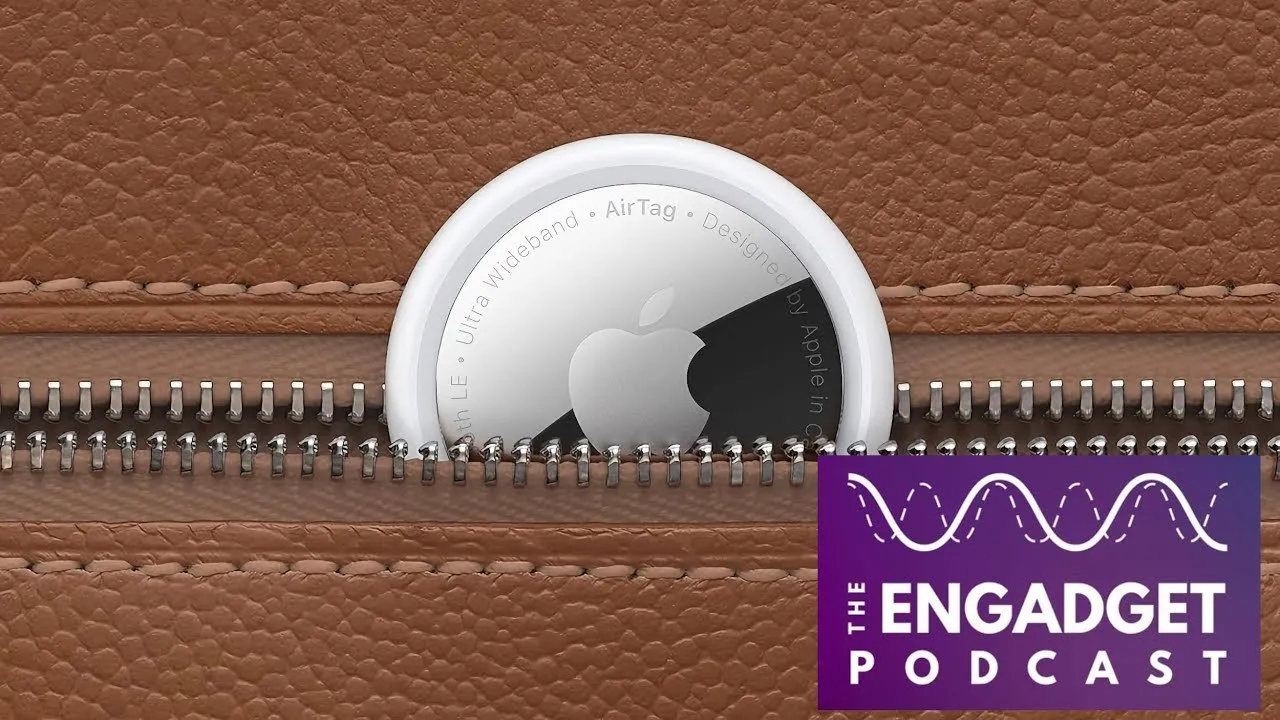
Following the mixed reception of AI-first devices like the Humane AI Pin and the Rabbit R1, Apple is reportedly investigating its own entry into the category. The proposed device is described as being slightly larger than an AirTag, featuring built-in cameras, microphones, and speakers. This hardware would ostensibly serve as a physical vessel for Apple's next-generation Siri, which is currently undergoing significant upgrades via Apple Intelligence.
The move has sparked skepticism among industry observers who note that Apple typically allows competitors to test market viability before releasing a polished product. However, the rapid ascent of generative AI appears to be forcing a change in strategy. Senior Editor Devindra Hardawar suggests this development may be driven by internal pressure to compete with OpenAI, particularly as former Apple designer Jony Ive collaborates with Sam Altman on independent AI hardware.
Significant engineering and privacy hurdles remain. Integrating cameras into an always-on wearable contradicts Apple’s historical stance on user privacy. Unlike a smartphone, where recording is an active choice, a wearable camera captures the environment passively, raising consent issues similar to those faced by Meta's Ray-Ban smart glasses.
"Apple is such a privacy-focused company, and to do an always-listening device or a camera on your body is very against the privacy-minded approach. With cameras involved, there's a lot of complication there that might make this challenging engineering-wise for anyone trying to tackle this."
— Cherlynn Low, Managing Editor at Engadget
Furthermore, questions persist regarding processing power. To maintain a form factor only slightly thicker than an AirTag, the device would likely rely heavily on a tethered iPhone for computing power, effectively acting as a satellite accessory rather than a standalone computer.
Sony Cedes Manufacturing Control to TCL
In a major shift for the consumer electronics industry, Sony has agreed to a strategic partnership that grants China’s TCL a 51% controlling stake in Sony’s home entertainment manufacturing arm. While future televisions will still bear the Bravia branding and utilize Sony’s proprietary image processing chips, the panels and assembly will be managed by TCL. Operations under this new structure are expected to commence in April 2027.
This development highlights the "Innovator's Dilemma" faced by Japanese legacy brands. Sony, once the undisputed king of television technology with its Trinitron CRTs, struggled to transition efficiently to flat-panel manufacturing, eventually ceding ground to Korean manufacturers LG and Samsung. Now, Chinese manufacturers like TCL and Hisense have commoditized high-quality panel production, making it difficult for legacy brands to compete on hardware margins alone.
"They let Samsung steal the show... and now Chinese manufacturing has gotten to the point where TCL and Hisense can build incredibly high-quality TVs with great panels very cheaply. Sony couldn't quite keep up."
— Devindra Hardawar, Senior Editor at Engadget
For consumers, this likely means future Bravia sets will feature TCL’s advanced Mini-LED and potential Micro-LED panels paired with Sony’s high-end image processing algorithms, aiming to combine manufacturing efficiency with premium performance.
Regulatory Pressures and Infrastructure Reliability
Beyond consumer hardware, significant developments are unfolding in tech policy and infrastructure. The Federal Trade Commission (FTC) has announced it will appeal a federal judge's dismissal of its antitrust case against Meta. The FTC argues that Meta has maintained a monopoly not through organic competition, but by systematically acquiring potential rivals, such as Instagram and WhatsApp.
Simultaneously, U.S. telecommunications infrastructure faced scrutiny following a 10-hour Verizon outage that left customers across the Eastern United States without service. While Verizon has not disclosed the specific technical root cause, the carrier is offering meager credits—reportedly around $20, though some business owners have successfully negotiated higher amounts—to affected users. This incident serves as a reminder of the fragility of modern connectivity, prompting experts to recommend downloading offline maps for GPS navigation as a failsafe.
AI Integration Across Media Platforms
Software giants continue to aggressively integrate generative AI into their ecosystems. YouTube CEO Neal Mohan announced a roadmap for 2026 that includes features allowing creators to generate video shorts using AI versions of themselves. While aimed at efficiency, this raises concerns regarding the proliferation of "AI slop" and deepfakes, though YouTube maintains it is developing detection tools to protect creator likenesses.
Similarly, Adobe has updated Acrobat with a feature that converts PDF documents into audio podcasts, a direct competitor to Google’s NotebookLM. These tools signify a shift in how information is consumed, moving from reading text to passive listening, though the utility of such features for complex professional workflows remains to be fully tested.
As 2025 progresses, the industry will be watching to see if Apple's potential AI hardware can overcome the failures of its predecessors, or if the company will pivot back to enhancing its existing ecosystem of the Watch and iPhone.