Table of Contents
For decades, the weight loss conversation has been dominated by a single, seemingly logical equation: calories in versus calories out. If you aren't losing weight, the prevailing wisdom suggests you are simply eating too much or moving too little. However, modern metabolic science suggests that this "thermodynamic" view of obesity is not just incomplete—it may be the very reason so many people fail to maintain long-term health.
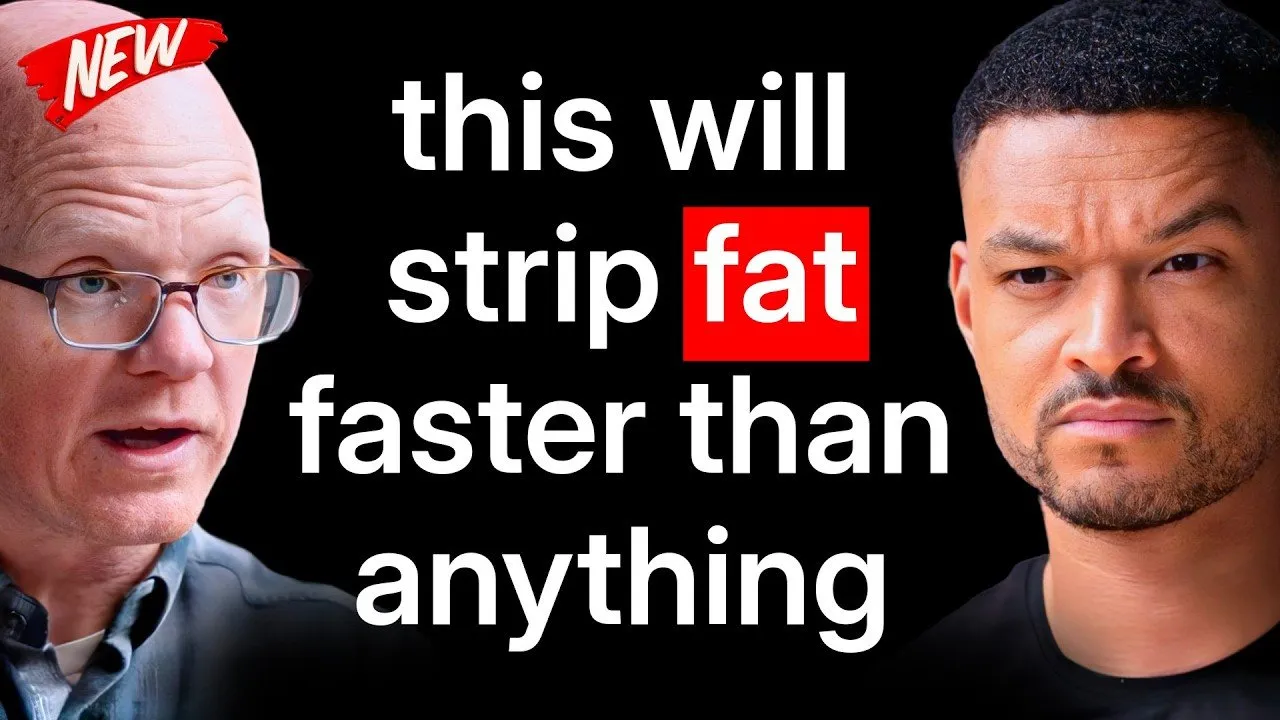
Dr. Benjamin Bikman, a leading metabolic scientist and expert on insulin resistance, argues that human metabolism is far too complex to be reduced to a calculator. The body is not a simple furnace; it is a chemistry lab governed by hormones. If you want to strip fat, improve brain function, and safeguard your longevity, you must shift your focus from counting calories to controlling the hormone that dictates what your body does with energy: insulin.
Key Takeaways
- Insulin is the master switch: Insulin determines whether your body burns fat or stores it. You cannot effectively lose body fat while your insulin levels remain chronically elevated.
- Calorie quality trumps quantity: While calories matter, the source of those calories dictates your hormonal response. A low-carb, high-fat/protein approach keeps insulin low, allowing access to stored fat.
- Ketones are a brain super-fuel: Beyond weight loss, ketosis provides the brain with a stable energy source that can reduce anxiety, improve focus, and potentially protect against neurodegenerative decline.
- Timing matters deeply: Eating late at night spikes insulin and cortisol when they should be lowest, disrupting sleep and fat burning. A fasted morning and a substantial lunch align better with circadian rhythms.
- Muscle is metabolic armor: Resistance training and supplements like creatine are essential not just for strength, but for cognitive function and insulin sensitivity.
The Fallacy of the Calorie-First Approach
The traditional approach to dieting involves immediate calorie restriction. While this often results in short-term weight loss, it almost invariably leads to hunger, metabolic slowdown, and eventual weight regain. This is often referred to as the "Biggest Loser" effect, where extreme calorie deprivation destroys the metabolic rate.
Dr. Bikman posits that there are two main variables in weight loss: calorie number and insulin level. Focusing solely on the calorie number without addressing insulin is a recipe for failure. Why? because insulin is an anabolic hormone—its job is to store energy.
"Insulin is so determined to store energy that it is directing calories to be stored in tissues like fat or in the liver to make you fat."
When insulin is elevated (usually due to high carbohydrate intake), it locks energy into fat cells. Even if you have 50,000 calories of stored body fat, high insulin prevents your brain from accessing that fuel. The result is "internal starvation." Your brain, sensing a lack of fuel in the bloodstream, triggers intense hunger cravings, forcing you to eat more despite having ample reserves.
The Metabolic Advantage of Low Insulin
When you lower insulin through a low-carb or ketogenic approach, you unlock a metabolic advantage. Studies cited by Dr. Bikman show that in a low-insulin state, the metabolic rate actually increases. Specifically, the production of ketones can triple the metabolic rate within fat tissue itself.
Furthermore, because the body becomes inefficient at storing energy in a low-insulin environment, it essentially "wastes" calories. You breathe out ketones (which are energy) and excrete them in urine, meaning you are expelling calories rather than storing them.
Understanding Ketones: The Fourth Macronutrient
When insulin is low—typically after 16 hours of fasting or restricting carbohydrates—the liver shifts gears. It begins breaking down fat into free fatty acids. However, the liver burns so much fat that it has excess energy, which it converts into ketones. These molecules are not just a backup fuel; they are a superior fuel for many tissues, particularly the brain and heart.
Impact on Brain Health
The brain consumes a massive amount of energy. In states of insulin resistance, the brain can struggle to process glucose, leading to what some researchers call "Type 3 Diabetes" (Alzheimer’s). Ketones bypass this blockage.
- Cognitive Clarity: Unlike the volatility of glucose spikes and crashes, ketones provide a steady stream of fuel, eliminating "brain fog."
- Mental Health: Ketones act as signaling molecules that can reduce anxiety and improve symptoms of depression by calming overactive neural pathways.
- Neuroprotection: Emerging research suggests ketones may help combat neurodegenerative diseases by providing an alternative energy source when glucose metabolism fails.
Impact on Heart Health
Historically, the heart was thought to rely mostly on fatty acids. However, new research indicates that a failing heart will actively shift its preference to utilize ketones. Dr. Bikman highlights recent studies showing that specific forms of ketones can dilate major blood vessels, potentially improving blood pressure and increasing the heart's ejection fraction (pumping efficiency) without requiring the heart muscle to work harder.
The "Perfect Day" Protocol for Metabolic Reset
If the goal for 2026 is to radically transform body composition and health, Dr. Bikman suggests a protocol that prioritizes insulin control and circadian biology. This isn't about starvation; it's about strategic fueling.
1. Morning: Extend the Fast
Glucose and cortisol naturally rise in the morning to wake you up. Eating a high-carb breakfast (cereal, toast, juice) "doubles down" on this glucose spike.
- Skip breakfast: Or delay it. Keep the body in a fat-burning state longer.
- Hydration: Drink water or unsweetened tea. Dr. Bikman prefers Yerba Mate for its natural GLP-1 stimulation and satiety effects.
- Cold Plunge (Optional): Exposure to cold in the morning can reset circadian clocks and aid sleep quality later in the evening.
2. Exercise: Fasted Resistance Training
Ideally, perform resistance training before breaking your fast. If your goal is metabolic health and longevity rather than peak athletic performance, fasted exercise is superior for maintaining insulin sensitivity.
3. Lunch: The Main Event
This should be your most substantial meal. Focus on protein and healthy fats. These macronutrients have a negligible impact on insulin compared to carbohydrates.
- Prioritize: Meat, eggs, healthy fats.
- Avoid: Bread, pasta, sugary drinks.
- Why: A hearty lunch prevents the mid-afternoon energy crash and reduces evening cravings.
4. Dinner: Social and Controlled
Dinner is often the social hub of the family. While you can be more flexible here to maintain family harmony, the timing is critical.
"Stop snacking in the evening. Anything you can do to not overeat and go to bed hypoglycemic or elevated or spike your blood glucose levels, do it."
Eating late, especially carbohydrates, spikes insulin and body temperature right when your body needs to cool down and enter a parasympathetic (rest and digest) state. Going to bed with high blood sugar can trigger a "fight or flight" response during the night, destroying sleep quality.
Women’s Health and the Keto Nuance
A common criticism of fasting and keto is that it negatively impacts female hormones. Dr. Bikman argues that while men and women are different, the metabolic fundamentals remain similar, with important caveats regarding the menstrual cycle.
Follicular vs. Luteal Phase
- Follicular Phase (Days 1-14): In the first half of the cycle, estrogen is dominant. Women are actually better fat burners than men during this phase and can get into ketosis faster. Fasting is generally easier here.
- Luteal Phase (Days 15-28): After ovulation, progesterone rises. Progesterone is a hunger-stimulating hormone. During this phase, the body demands more energy. It is physiologically normal to be hungrier and have more cravings.
The advice for women is not to avoid low-carb diets, but to be flexible. Be stricter during the follicular phase and give yourself grace—perhaps slightly increasing healthy carb intake (like fruits or root vegetables)—during the luteal phase to manage cravings without falling off the wagon entirely.
Supplements and Tools for Optimization
While whole foods are the foundation, specific supplements can accelerate metabolic healing and cognitive performance.
1. Creatine Monohydrate
Often pigeonholed as a bodybuilder's supplement, creatine is arguably more important for the brain. It assists in rapid ATP (energy) recycling.
- Cognitive Function: Studies show creatine improves cognitive performance, particularly in sleep-deprived individuals.
- Dosage: While 5g is standard for muscle, 10-15g may be required to fully saturate the brain.
- Safety: It does not damage kidneys in healthy individuals, though it will artificially raise creatinine levels on blood tests (a harmless artifact).
2. Essential Fatty Acids (Omega-3s)
If you aren't eating fatty fish regularly, high-quality fish oil is non-negotiable. It aids in muscle protein synthesis and reduces systemic inflammation.
3. Continuous Glucose Monitors (CGMs)
You cannot manage what you do not measure. A CGM provides real-time biofeedback. Watching your blood sugar spike after a specific food is a powerful behavioral modifier—often more effective than any doctor's advice. It reveals how stress, sleep, and specific food combinations affect your unique biology.
4. Exogenous Ketones
Supplements like ketone salts or esters can help bridge the gap when transitioning to a low-carb diet. They provide the brain with immediate fuel, bypassing the "keto flu" and potentially sparing muscle mass during weight loss.
The Truth About GLP-1 Agonists (Ozempic/Wegovy)
Drugs like Ozempic mimic the hormone GLP-1, inducing satiety and slowing gastric emptying. While effective for weight loss, Dr. Bikman warns of a critical downside: muscle wasting. Up to 40% of weight lost on these drugs can come from lean mass (muscle and bone), which is disastrous for long-term metabolic health.
However, there is a smarter way to use them:
- Micro-dosing: Use the smallest effective dose to curb addiction-like cravings for carbohydrates.
- Cycling: Use the drug for a short period (e.g., 90 days) to break bad habits, then wean off.
- Dietary Coaching: The drug should not be the solution; it should be the training wheels. You must adopt a high-protein, resistance-training lifestyle simultaneously to protect muscle tissue.
Conclusion
The journey to a healthier 2026 doesn't require starvation or exercising until you collapse. It requires a shift in understanding. By respecting the power of insulin, prioritizing protein and healthy fats, and utilizing tools like time-restricted eating and resistance training, you work with your biology rather than against it.
Whether you are a middle-aged parent wanting to be active for your children, or someone trying to reclaim their mental clarity, the path begins with a single decision: to control your hormones so they stop controlling you. Start by cutting the evening snacks, prioritize a protein-rich lunch, and consider checking your fasting insulin levels. The data doesn't lie, and your metabolism is ready to be reset.