Table of Contents
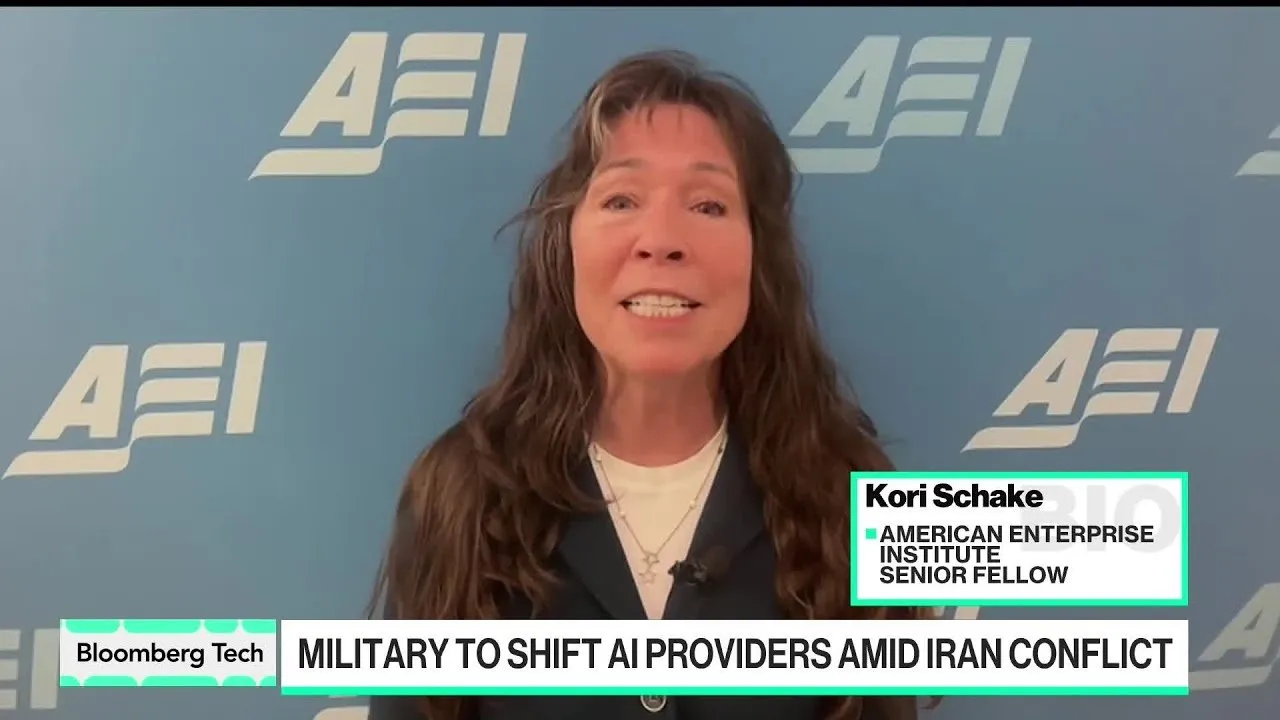
The Department of Defense (DOD) is facing intense scrutiny following its decision to effectively blacklist Anthropic, a leading American artificial intelligence company, from its supply chain. The move, which stems from disagreements over the ethical constraints applied to the use of AI in defense operations, has sparked a firestorm of debate regarding the future of public-private partnerships in the national security sector.
Key Points
- Critics characterize the Pentagon’s decision to blacklist Anthropic as a "petulant" overreach that risks alienating the domestic technology sector.
- Anthropic has drawn firm boundaries regarding the use of its technology, specifically opposing its application for domestic surveillance or lethal force decisions without higher confidence levels.
- Industry analysts argue that the conflict highlights a significant trust deficit between the DOD and frontier AI labs.
- Congressional intervention is expected, with lawmakers considering legislation to prevent the retribution-style exclusion of American firms from national supply chains.
The Growing Divide Over Defense AI
At the center of the dispute is the tension between the Pentagon’s desire for unfettered access to frontier technologies and the stringent safety standards imposed by companies like Anthropic. While other industry players, such as OpenAI, have sought to align their contracts with existing DOD policy, Anthropic has reportedly demanded specific indemnifications and proof that its models will not be misused.
The DOD’s aggressive posture has drawn sharp criticism from industry experts who suggest that such tactics mirror the treatment typically reserved for adversarial foreign entities rather than domestic partners. This approach, observers note, may ultimately backfire by chilling innovation within the defense ecosystem.
The idea that you could either nationalize or blacklist a leading American company is outrageous, and it’s gonna discourage other leading-edge tech firms from being willing to expose their business by participating in the defense ecosystem.
Strategic Implications for National Security
Artificial intelligence has become a critical component of modern warfare, primarily through its ability to process vast swaths of data to identify threat portfolios and detect patterns that would be invisible to human analysts. However, the application of these tools in sensitive areas—such as lethal force decisions—remains a subject of intense ethical concern.
By attempting to force compliance through blacklisting, the Defense Department may be jeopardizing its access to the very tools it requires to maintain a technological edge. Analysts suggest that the DOD faces a "losing proposition" if it continues to reject the transparency standards that these companies deem essential to the responsible deployment of their software.
The Path Toward Legislative Oversight
As the standoff continues, the focus is shifting to Congress, which holds the ultimate authority over defense policy. Lawmakers are now weighing whether to codify specific standards for AI usage to prevent the DOD from acting unilaterally against domestic partners. There is growing sentiment that the lines of engagement must be formalized through statute rather than private, contentious contract negotiations.
For the Pentagon, the next steps involve navigating a delicate balance. To maintain its access to top-tier AI, the department may need to shift from an adversarial stance toward one that acknowledges the safety frameworks established by Anthropic and its peers. Meanwhile, the industry awaits further clarity on whether the government will treat these firms as strategic assets or as regulated utilities subject to the whim of defense officials.