Table of Contents
Recent high-level meetings in Abu Dhabi between representatives from Russia, Ukraine, and the United States have concluded with mixed results, revealing a complex geopolitical landscape where diplomatic channels remain open even as covert hostilities escalate. While the talks successfully facilitated a prisoner exchange and the resumption of crucial military-to-military contacts, they were overshadowed by what analysts describe as a continued "dirty war"—marked by targeted assassination attempts against key negotiators. This dichotomy suggests that while technical agreements are possible, a comprehensive political settlement remains elusive, with Western strategy potentially pivoting toward a prolonged war of attrition.
Key Takeaways
- Mixed Diplomatic Results: The Abu Dhabi talks yielded a 150-person prisoner swap and re-established military communication between the US and Russia, but failed to advance a Ukrainian political settlement.
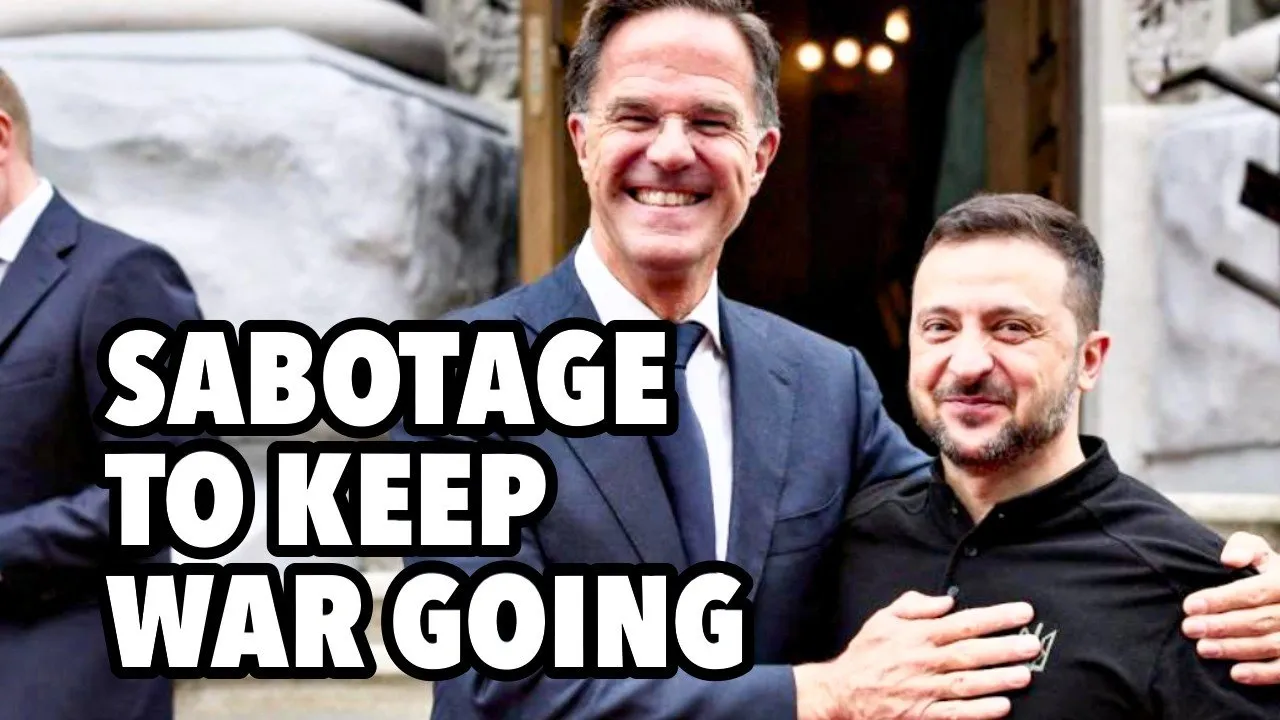
- Escalation of the "Dirty War": Coinciding with negotiations, an assassination attempt targeted the deputy of Russia’s chief negotiator, signaling internal sabotage within the Ukrainian apparatus.
- European Marginalization: European powers were excluded from the primary US-Russia-Ukraine talks, leading leaders like Emmanuel Macron to pursue secret, independent backchannels with Moscow.
- Battlefield Realities: Contrary to Western narratives of a stalemate, Russian forces are conducting a rapid winter offensive, reportedly compromising Ukrainian defensive lines in Zaporizhzhia and Avdiivka.
- The 2027 Strategy: Analysts suggest the West may be "stringing along" diplomatic efforts to extend the conflict into the late 2020s, aiming to exhaust Russia’s military and economic resources over the long term.
The Abu Dhabi Summit: Technical Progress Amidst Political Stagnation
The recent trilateral meetings in the UAE involved high-ranking officials, including General Grinkovich, the NATO Supreme Military Commander, and General Costukov, the head of Russia’s GRU and chief diplomat for these talks. While the absence of key US figures like Jared Kushner was noted, the summit did produce tangible humanitarian and tactical results.
The primary deliverable was a balanced prisoner exchange involving 150 personnel from both sides, along with the release of three Russian civilians captured in the Kursk region. Perhaps more significantly, the US and Russia agreed to resume direct military-to-military contacts—a channel suspended by the Biden administration in February 2022. Reopening this line of communication is viewed as a critical step in managing escalation risks between the two nuclear superpowers.
However, regarding the core conflict in Ukraine, the talks appear to have hit a wall. While Russia allegedly sought to discuss the cessation of targeted attacks on officials, Ukrainian commitments on this front appear nonexistent, leading to a volatile diplomatic environment.
Sabotage and the "Dirty War"
A defining feature of the current diplomatic landscape is the simultaneous pursuit of negotiation and assassination. Analysts point to a disturbing pattern where diplomatic engagements are immediately undercut by violent sabotage, referred to as the "dirty war."
Assassination Attempts on Negotiators
Just as talks were proceeding, reports emerged of an assassination attempt against the deputy chief of Russian military intelligence—the right-hand man to Russia's lead negotiator at the Abu Dhabi table. This incident is not isolated; it echoes the 2022 execution of Denis Kireev, a Ukrainian negotiator who was killed by the SBU (Ukrainian Security Service) despite being an agent for Ukrainian military intelligence (GUR).
The Ukrainians didn't just try to assassinate a Russian general, but the Russian general they tried to assassinate was General Costukov's number two... He is the deputy chief of Russian military intelligence.
These actions suggest profound internal rifts within Kiev. The SBU, reportedly sidelined from recent talks in favor of Zelensky's inner circle, may be utilizing assassination tactics to disrupt any potential détente. This raises serious questions about President Zelensky's control over his security apparatus and the viability of "good faith" negotiations when negotiators themselves are targets.
Europe on the Sidelines
The Abu Dhabi format highlighted a growing geopolitical reality: the marginalization of the European Union. Despite President Zelensky's request to include European representatives, both Washington and Moscow reportedly agreed to exclude them. This has left European leaders, particularly French President Emmanuel Macron, scrambling for relevance.
Reports indicate that France has sent envoys to Moscow via secret backchannels. However, these efforts are characterized by a lack of conviction. European leaders face a dilemma: they wish to engage Russia to avoid irrelevance, yet they fear the political fallout of admitting that President Putin’s demands—often summarized as "Istanbul Plus"—remain unchanged.
Furthermore, the EU's recent financial maneuvers, specifically the mechanism to distribute €90 billion to Ukraine, face logistical and legal hurdles. The bonds required to raise these funds rely on the unlikely contingency of Russian reparations, making them a risky asset that global markets may be hesitant to touch.
Strategic Divergence: The "Long War" vs. Battlefield Reality
There is a stark disconnect between the strategic timelines envisioned by the West and the tactical realities unfolding on the ground. The prevailing Western strategy appears to be one of attrition, with planners potentially looking to extend the conflict toward a 2027–2030 horizon.
The Exhaustion Narrative
The logic behind the "Long War" theory is that by keeping Ukraine in the fight through financial injections and intermittent negotiations, the West can degrade Russian capacity over several years. This strategy relies on the assumption that the Russian economy is fragile and its military manpower is finite.
However, current economic indicators from Moscow contradict this view. Purchasing Managers' Index (PMI) numbers suggest an expansion in Russian manufacturing and services. Conversely, anecdotal evidence from Eastern Europe suggests a severe manpower crisis in Ukraine, with reports of essential workers, such as truck drivers, being pulled directly from their vehicles for conscription.
Russian Winter Advances
While Western narratives focus on a future war of attrition, Russian forces are executing a high-tempo winter offensive. The "stalemate" narrative that dominated late 2023 has been challenged by rapid Russian gains in Zaporizhzhia and the Donbas region. Specialized reconnaissance groups are reportedly exploiting frozen terrain to breach Ukrainian defenses, threatening key logistical hubs.
This has been the fastest moving military campaign that the Russians have conducted in winter since the start of the special military operation.
Conclusion
The dichotomy of the Abu Dhabi talks illustrates the perilous state of current geopolitics. On one hand, the US and Russia are engaging in necessary risk management through military channels. On the other, the political will to end the conflict is absent, actively sabotaged by a "dirty war" of assassinations and internal power struggles within Ukraine.
President Putin appears to retain a preference for a diplomatic resolution, yet the West’s strategy seems intent on prolonging the conflict in hopes of a long-term Russian collapse. As the battlefield dynamic shifts in Russia's favor, the window for a negotiated settlement that preserves Ukrainian statehood may be closing, regardless of how many secret meetings take place in the Gulf.