Table of Contents
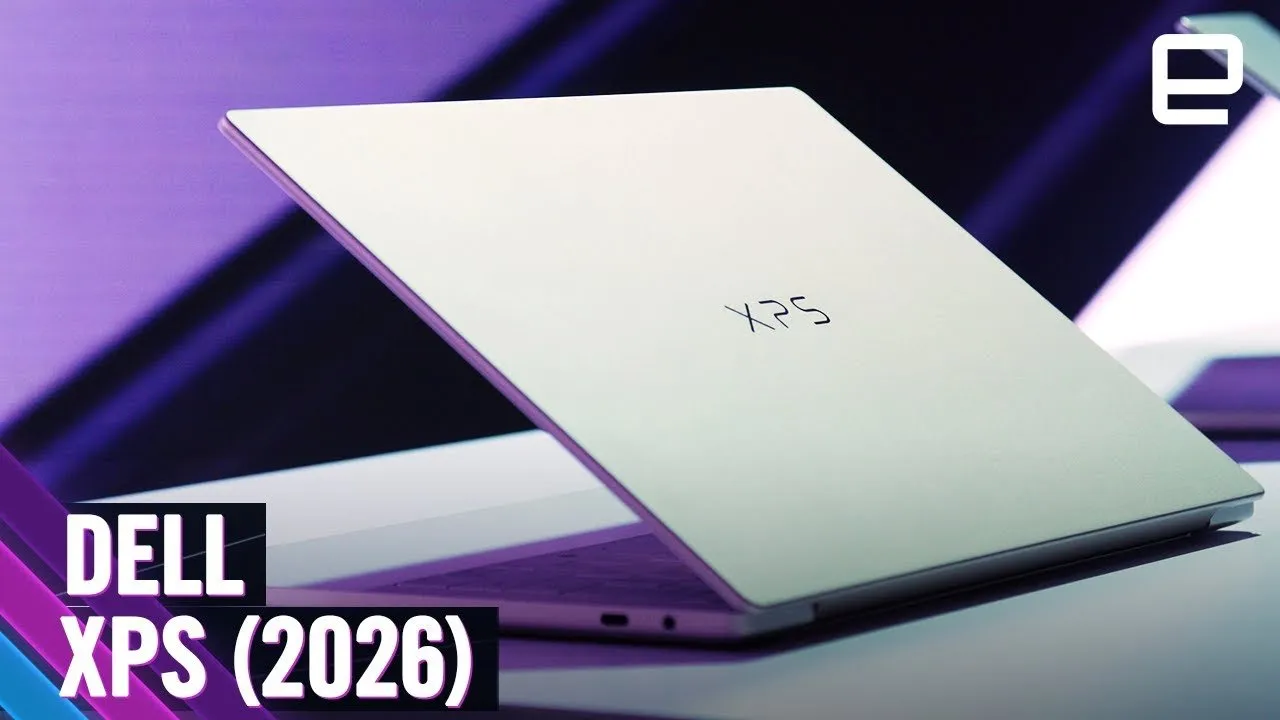
Dell has officially reversed its controversial branding strategy from last year, unveiling the redesigned XPS 14 and XPS 16 laptops in a move that restores the company’s flagship nomenclature. Following a period of declining sales and critical feedback regarding the previous generation's experimental features, the new lineup addresses key consumer complaints by reinstating physical function keys and refining the tactile experience, while simultaneously shifting toward a more power-efficient architecture.
Key Takeaways
- Design Reversal: Dell has restored the traditional physical function row, abandoning the capacitive touch bar that frustrated users in previous models.
- Graphics Shift: The new XPS 14 and 16 models rely exclusively on Intel Arc graphics, removing the optional discrete Nvidia GPUs offered in prior generations.
- Battery Efficiency: By omitting discrete graphics and utilizing variable refresh rate displays, Dell claims up to 27 hours of streaming battery life.
- Hardware Refinements: The invisible trackpad now features etched borders for tactile guidance, and the chassis is lighter than competing MacBook Pro models.
Design Correction: A Return to Functionality
The relaunch of the XPS brand signifies a direct response to market feedback. Last year, Dell replaced the traditional function row with a capacitive touch area, a design choice that drew criticism for its lack of tactile response and poor visibility in direct sunlight. The new XPS 14 and 16 models mark a return to practical utility.
While the company has retained the modern "invisible" trackpad aesthetic, significant usability adjustments have been made. The new models feature etched borders on the palm rest, allowing users to identify the trackpad's boundaries by touch—a feature aimed at improving typing confidence.
"The function row is back... [and] now Dell has added two etches to the side so you kind of know where it begins and ends. That makes the touchpad feel a lot more like the way Apple's MacBooks feel... to me, that just makes it feel more confident to use these machines."
The keyboard has also undergone a complete redesign. The new mechanism offers a shallower but "clickier" actuation, with circular pads on the keys that feel more concave than previous iterations. The overall aesthetic has been simplified, drawing comparisons to the minimalist design of Microsoft's Surface Laptop line.
Performance Shift: Betting on Silicon Efficiency
In a significant departure from the previous "Premium" 14 and 16 models, Dell has removed the option for discrete Nvidia GPUs. The new lineup is powered by Intel’s new Core Ultra Series 3 chips and relies entirely on Intel Arc graphics. While this may limit the machines' capabilities for heavy gaming, the architecture has matured significantly, offering competent performance for general productivity and creative workloads.
This strategic shift appears to be driven by a focus on efficiency and battery longevity. Dell has integrated tandem OLED options and variable refresh rate screens (up to 120Hz) to further optimize power consumption.
The reported battery metrics are substantial. Dell claims the new architecture can deliver approximately 27 hours of Netflix streaming and up to 40 hours of local video playback. These figures, typically associated with ARM-based architectures like Qualcomm's Snapdragon, suggest that Dell is prioritizing endurance and mobility over raw graphical power.
Portability and Connectivity
The chassis engineering places a heavy emphasis on portability. The XPS 14 weighs in at just 3 pounds, while the XPS 16 is 3.6 pounds, making both models lighter than their Apple MacBook Pro counterparts. Despite the slim profile, Dell has retained a headphone jack on both the 14 and 16-inch models—a port that has become increasingly rare in the ultra-thin category.
However, connectivity has seen some reduction. While USB-C ports remain on both sides of the device, Dell has removed the MicroSD card slot, eliminating the only expandable storage option found on previous models.
Future Roadmap and The Return of the XPS 13
Alongside the primary announcements, Dell teased the return of the XPS 13. While details remain scarce, early previews suggest it will be the thinnest and lightest model in the company’s history, though it will reportedly launch without a headphone jack.
Looking further ahead, Dell’s roadmap indicates two open slots for future machines within the XPS family. Industry analysis suggests that given the current absence of discrete graphics and SD card slots in the 14 and 16-inch models, Dell may be planning to introduce high-performance variants with more powerful specifications in late 2026 or 2027.
For now, the reintroduction of the XPS branding on the device chassis signals Dell's renewed commitment to its premium heritage. By addressing ergonomic failures and pivoting toward battery efficiency, Dell is positioning the new lineup to reclaim its status as the standard-bearer for Windows ultrabooks.