Table of Contents
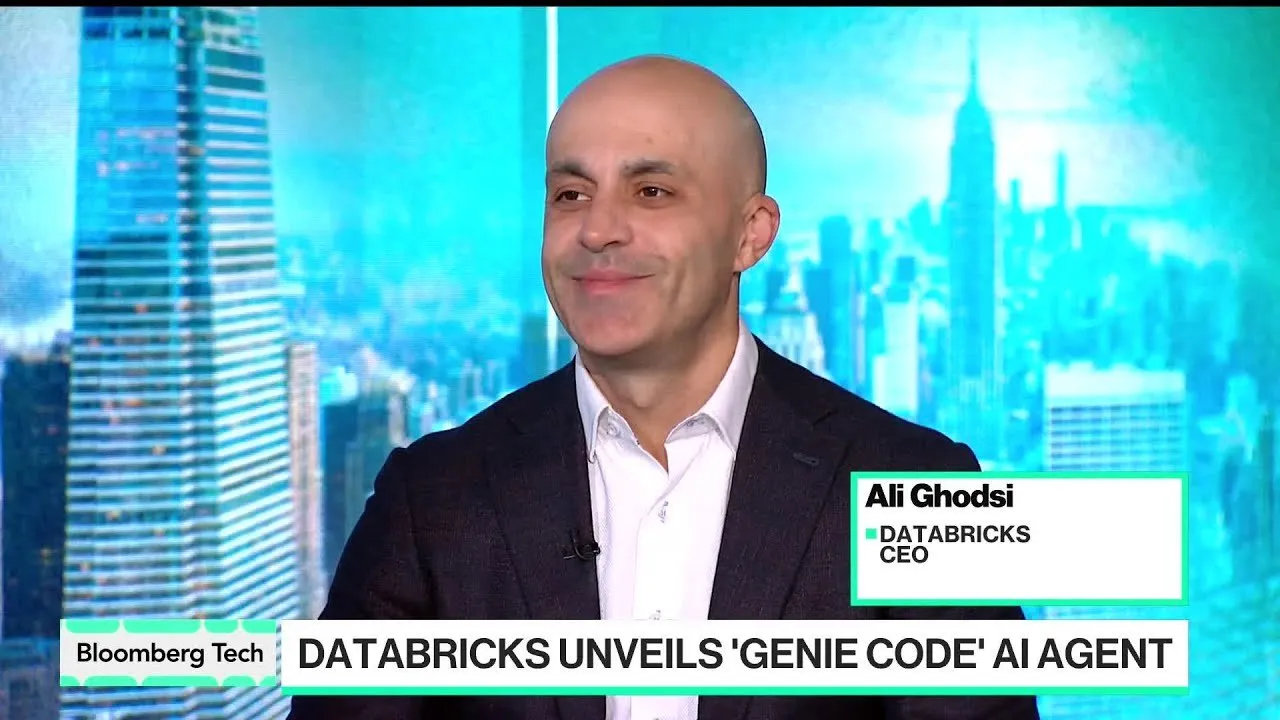
Databricks, the data and AI company, has unveiled its new AI-driven coding assistant, Genie Code, designed to automate complex data engineering tasks and the development of machine learning models. The launch, accompanied by the strategic acquisition of Quodient, signals a shift in focus from mere code generation toward the secure deployment and monitoring of AI within enterprise production environments.
Key Points
- Genie Code automates the creation of machine learning models and the management of data pipelines for technical knowledge workers.
- The acquisition of Quodient provides Databricks with essential tools for monitoring code quality and preventing errors in live production environments.
- Databricks is expanding its ecosystem through a new investment in Replit to broaden AI accessibility for non-technical employees in departments like finance and HR.
- The company remains committed to staying private, prioritizing long-term AI innovation over the short-term pressures of public market quarterly reporting.
Bridging the Gap from Code to Production
While the broader AI industry has been saturated with "coding agents"—tools that function similarly to interns by generating code—Databricks argues that the current market lacks a critical focus on reliability. Genie Code is positioned to solve the "production problem" by ensuring that data pipelines and machine learning models are not only built automatically but are also stable, measurable, and accurate.
The platform automates iterative tasks such as predictive pricing and cost estimation, traditionally handled manually by data scientists. To address the pervasive industry issue of AI "hallucinations" and model instability, Databricks acquired Quodient. The team behind Quodient, known for developing GitHub Copilot’s quality measurement framework, brings robust monitoring capabilities that allow organizations to oversee AI agents in real time, enabling them to halt or restart processes if they deviate from expected behavior.
The question is, how do we actually make the code that has been written into production, make sure that they're powering up everything inside of the enterprise, and making sure that we're monitoring it, making sure that we can actually start doing more interesting things with it?
Democratizing Development Through Strategic Partnerships
While Genie Code targets data engineers and technical data scientists, Databricks is simultaneously pushing to empower non-technical users through a deeper integration with Replit. Databricks Ventures announced an investment in the platform to facilitate "vibe coding"—a process that allows employees in roles such as marketing, HR, and finance to build functional software without traditional programming expertise.
According to Databricks leadership, these non-technical employees represent a massive segment of the workforce who are now capable of building tools that connect directly to the company’s lakehouse architecture. This strategy creates a dual-layered approach to the enterprise: high-level, production-grade automation for data teams, and simplified, accessible tools for the broader knowledge workforce.
Looking Ahead: Long-Term Growth vs. Public Markets
Despite ongoing speculation regarding an initial public offering (IPO), Databricks remains firm in its decision to stay private. The company maintains that the current market volatility makes a public exit unfavorable, opting instead to prioritize aggressive investment in AI R&D, strategic acquisitions, and talent acquisition.
By focusing on these structural pieces—code generation, production monitoring, and user democratization—Databricks aims to solidify its position as the foundational infrastructure for enterprise AI. Moving forward, the company intends to double down on these core offerings, ensuring that its clients can deploy AI at scale without the downtime or reliability risks that have hindered early adopters of generative coding tools.