

Table of Contents
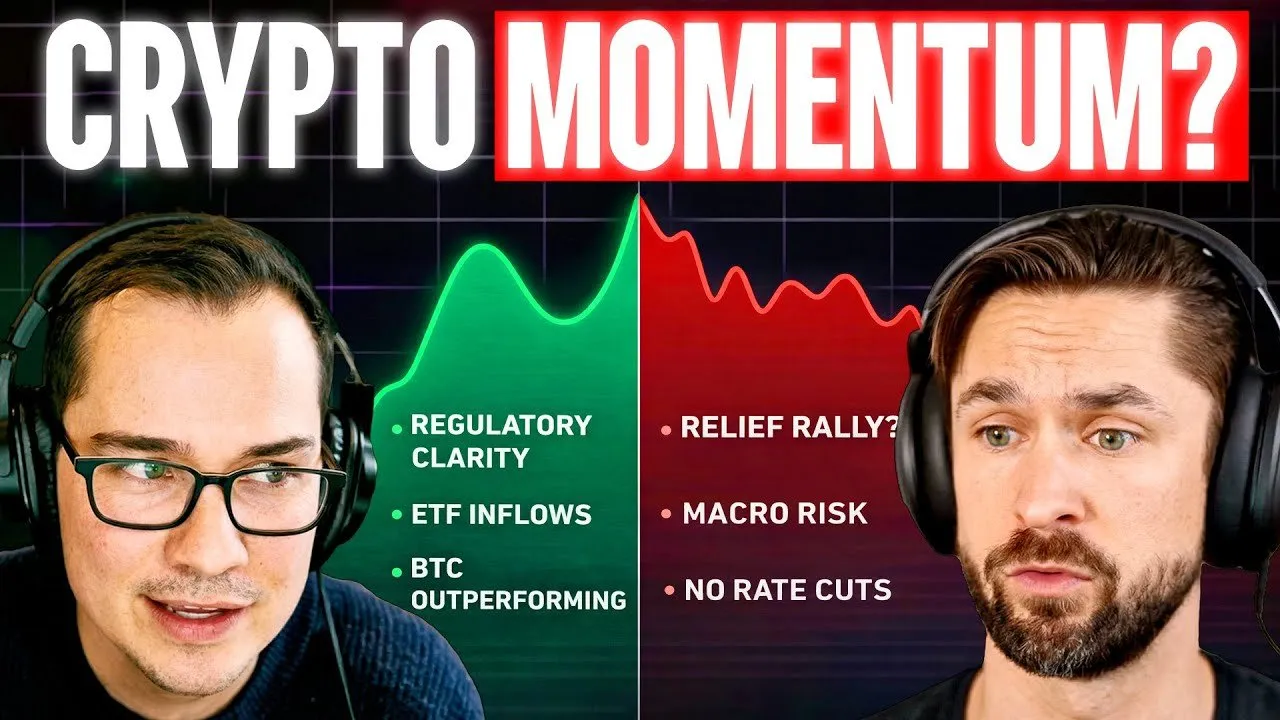
Changpeng Zhao (CZ), the founder of Binance, has forecasted a definitive "super cycle" for Bitcoin in 2026, suggesting that the cryptocurrency market is poised to break its historical four-year patterns. Speaking in a recent interview, Zhao attributed this bullish outlook to a significantly more pro-crypto regulatory environment in the United States and the subsequent global adoption that is expected to follow.
Key Points
- 2026 Super Cycle: CZ predicts a departure from traditional market cycles, driven by US regulatory shifts and global monetary easing.
- Price Targets: Investor Lawrence Lepard forecasts Bitcoin could surpass $350,000 in the next wave, driven by short squeezes and leverage.
- Solana Expansion: Ondo Finance has tokenized over 200 US stocks and ETFs on the Solana blockchain, signaling major growth in Real World Assets (RWAs).
- Institutional Activity: Ethereum continues to capture the "institutional bid," while Grayscale has filed for a BNB ETF, broadening market access.
The Thesis for a 2026 Super Cycle
While Bitcoin has historically adhered to four-year cycles revolving around halving events, industry leaders believe 2026 will mark a structural shift. According to CZ, the convergence of favorable US policy and international emulation is creating a unique environment for growth.
During an appearance on CNBC, CZ noted that while short-term price action remains unpredictable, the long-term trajectory is clear.
"If you look at a one-year horizon... 2026, I have very strong feelings that it will probably be a super cycle. Normally Bitcoin follows four-year cycles historically... But I think this year, given the US being so pro-crypto and every other country is kind of following, I do think we will probably break the four-year cycle."
This sentiment is supported by transaction volume data from 2025. While traditional finance giants Mastercard and Visa processed $9.7 trillion and $16 trillion respectively, the Bitcoin network reported a total transaction volume of $25 trillion, underscoring the scale of on-chain activity.
Aggressive Price Targets and Market Dynamics
Beyond the macro outlook, market veterans are analyzing the mechanics of the next price surge. Investor Lawrence Lepard, speaking on the What Bitcoin Did podcast, outlined a scenario where strong fundamentals collide with lagging prices, resulting in a violent upward correction.
Lepard argues that when the next wave hits, price discovery will not stop at conservative estimates of $140,000 but could push significantly higher due to market structure mechanics.
"There will be all the shorts who have to cover... and then there'll be a whole new category of long 'degens' who will come in and lever it and go long. That's what will shove it to $400,000... I'll take the other side of that bet and in two years we'll see who looks right."
Macroeconomic Drivers
A report from Binance highlights that while 2025 was defined by "data fog" and volatility due to new US administration policies and tariff shocks, 2026 is projected to be a "risk reboot." The outlook cites a "policy triumvirate" as the primary catalyst:
- Synchronized global monetary easing.
- Substantial fiscal stimulus via cash tax refunds.
- A wave of deregulation.
Ecosystem Developments: Solana and Ethereum
The market is currently witnessing a divergence in utility between major blockchains, creating what some analysts call a "duopoly" between Ethereum and Solana.
Solana is cementing its position as the hub for decentralized exchange (DEX) volume and consumer applications. In a significant development for Tokenized Real World Assets (RWAs), Ondo Finance has brought over 200 tokenized US stocks and ETFs to the Solana chain. Major equities including Amazon, Walmart, and Pepsi are now trading on-chain via Ondo Global Markets. This utility has pushed Solana's DEX volume to lead all chains, recently hitting $4.4 billion in a single 24-hour period.
Conversely, Ethereum retains the "institutional bid." Analysts note that while Solana captures retail and high-frequency trading, Ethereum remains the plumbing of choice for large-scale financial settlement. This institutional confidence is further evidenced by significant capital inflows, such as the reported $108 million addition to Ethereum positions by Tom Lee’s associated funds.
Institutional Access Expands
Investment vehicles continue to mature, bridging the gap between traditional finance and digital assets. Grayscale has filed for a BNB ETF, signaling that asset managers see value beyond just Bitcoin and Ethereum. This move aligns with a broader trend of diversified crypto investment products, including Grayscale’s AI fund, which has seen strong performance alongside AI-focused altcoins like BitTensor and Virtuals.
As the market moves toward 2026, the combination of regulatory clarity, institutional infrastructure, and high-speed blockchain scaling suggests the industry is transitioning from speculative cycles to sustained adoption.



)