Table of Contents
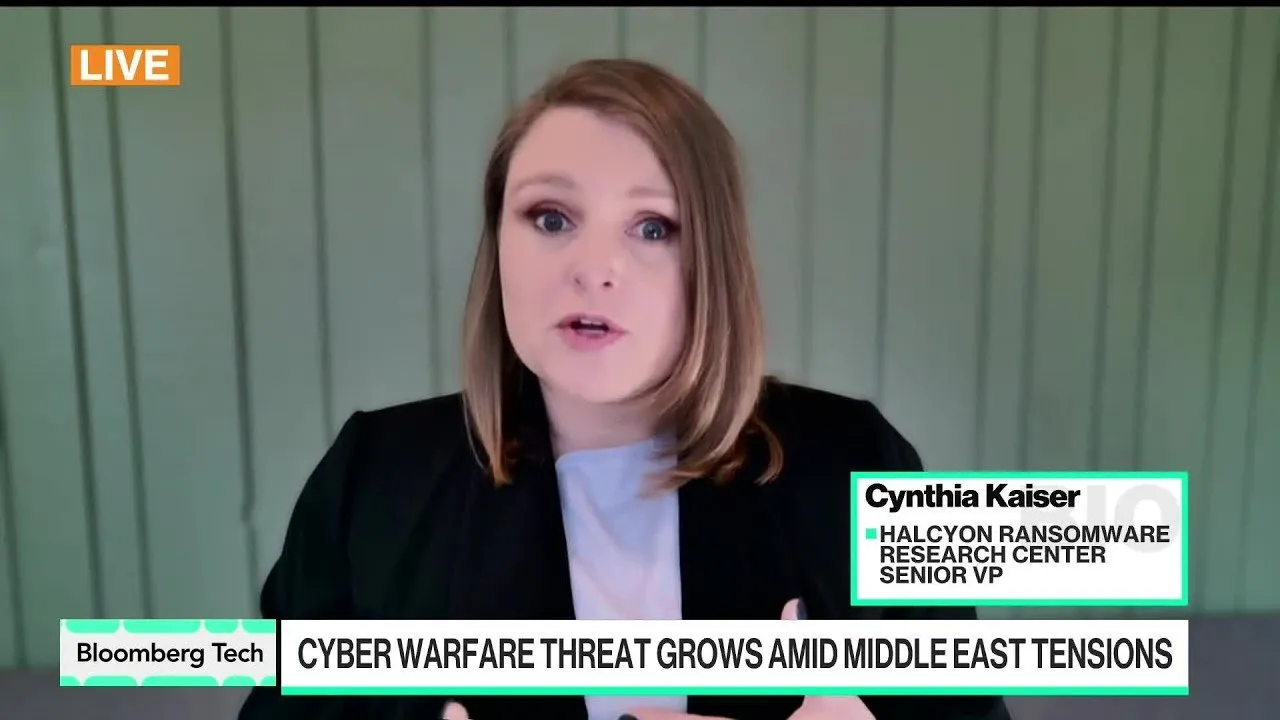
Heightened geopolitical tensions in the Middle East have triggered a surge in state-sponsored cyber activity, with U.S. officials and industry analysts warning that Iranian actors are actively targeting critical infrastructure. While Tehran’s digital operatives have demonstrated a pattern of exploiting unpatched network vulnerabilities, experts caution that their strategy increasingly relies on psychological warfare—exaggerating the scale of successful breaches to sow chaos and fear.
Key Points
- Iranian cyber actors are actively targeting unpatched critical infrastructure, ranging from water treatment facilities to commercial enterprise networks.
- Threat actors are increasingly using exaggerated claims of success to manipulate public perception and project a level of control they may not possess.
- The integration of Artificial Intelligence by proxy groups is lowering the barrier to entry, resulting in more destructive, less precise malware.
- Major cybersecurity firms, including CrowdStrike and Palo Alto Networks, are seeing increased demand as organizations accelerate incident response planning and vulnerability patching.
The Tactics of Perception
According to security experts, the threat posed by Iranian state-sponsored groups is not merely technical, but performative. These actors often gain access to a single low-level device within a facility, only to publicly claim they have compromised an entire network. This strategy aims to create a narrative of systemic vulnerability, particularly within sectors like water, power, and telecommunications.
"It doesn't really matter the sector. It matters how the specific organization has done with their cybersecurity. What Iran does, they go on, they try to exploit something, get into something, and then they go out in the media and they say, we've done more. So I've gotten under one machine in an organization, but I'm gonna say that we've gotten onto the entire facility."
The FBI has been proactive in issuing warnings regarding these vulnerabilities, specifically highlighting the prevalence of internet-connected devices that remain unpatched. By leveraging these gaps, attackers can gain initial entry with minimal effort, making rigorous internal hygiene the primary line of defense.
AI and the Rise of Destructive Proxies
The landscape of the threat is shifting due to the adoption of AI-enabled tools. While top-tier state actors possess sophisticated capabilities, Iran’s reliance on proxy groups introduces a "wild card" element. Some of these groups, such as the organization identified by intelligence analysts as Sukari, are deploying AI-generated software that lacks the refinement of traditional targeted malware.
Rather than executing a controlled ransomware attack designed for financial extraction, these rudimentary but AI-driven tools often result in widespread, unintended destruction of network data. This "collateral damage" approach complicates recovery efforts and poses a higher risk to operational continuity for private enterprises.
Defensive Posture and Market Response
The escalating threat environment has forced a pivot in corporate cybersecurity budgets. Rather than relying solely on external tools or waiting for hypothetical generative AI solutions to resolve security gaps, firms are increasingly investing in internal resilience. This includes conducting rigorous incident response drills, accelerating patching cycles, and enhancing collaboration with federal agencies like the FBI.
Market sentiment reflects this urgency, with cybersecurity stocks seeing upward momentum as enterprises prioritize "resistance infrastructure." Despite the hype surrounding generative AI as a potential panacea for cyber threats, industry leaders emphasize that there is no substitute for real-time visibility into internal network traffic.
Collaborative Global Defense
The defense against these threats is no longer confined to national borders. The United States and its allies—including Israel, Australia, and European nations—have deepened their information-sharing mechanisms. By sharing threat intelligence in real time, these nations can identify and neutralize malicious patterns before they proliferate across international networks. While current concerns are primarily enterprise-focused, the international security community continues to monitor whether these Iranian operations shift toward targeting sensitive personal data of dissidents or specific individuals outside the Middle East.
Looking ahead, organizations are expected to maintain an elevated defensive posture, focusing on hardening critical infrastructure against opportunistic exploitation. The combination of proactive threat intelligence sharing and rigorous internal patching will remain the standard for mitigating risks in an increasingly volatile digital landscape.