Table of Contents
Two wildly different creative paths. One filmmaker who financed his breakthrough movie by becoming a medical test subject. One author who spent seven years writing her first book after leaving a Wall Street law career. Both discovered that embracing constraints and confronting fears directly leads to extraordinary creative breakthroughs.
Key Takeaways
- Daily journaling at midnight transforms life experiences into searchable creative assets for long-term projects
- Medical research studies provided the unconventional funding that launched Rodriguez's $7,000 breakthrough film El Mariachi
- Public speaking terror can be systematically overcome through graduated exposure therapy and professional coaching
- Creative limitations often produce more innovative solutions than unlimited resources and budgets
- Introversion differs from shyness: preference for lower stimulation versus fear of social judgment
- Writing processes benefit from protecting the creative core through separate income streams during development
- Loving-kindness meditation provides rapid mood transformation and connects practitioners beyond themselves
- The hero and coward feel identical physiological responses—success comes from reframing fear as performance energy
- Successful creative careers emerge from embracing naive experimentation rather than overthinking outcomes
Rodriguez's Revolutionary Approach to Creative Documentation
Rodriguez maintains one of the most comprehensive creative documentation systems among working filmmakers. His midnight journaling ritual produces 1,000-2,000 pages annually, creating a searchable database of life experiences, encounters, and creative insights. The practice began with a day planner his father gave him, where he noticed the stark difference between planned activities and actual accomplishments.
- His journaling system captures everything from casual conversations to technical filmmaking details, allowing him to search by date and cross-reference projects spanning decades. When meeting with longtime collaborators like James Cameron, Rodriguez pulls up specific entries from their first encounters twenty years earlier, often revealing forgotten details that astound his colleagues.
- The documentation proved essential during El Mariachi's production because Rodriguez treated it as an experiment and learning experience. He recorded every technical failure and creative solution, creating a methodology document that became the basis for his book "Rebel Without a Crew."
- For parents specifically, Rodriguez considers detailed journaling absolutely essential because children forget pivotal childhood experiences within years. He regularly reads journal entries to his kids on birthdays, often locating corresponding video footage that brings forgotten camping trips and adventures back to vivid life.
- The practice reveals how life-changing events cluster together in surprising ways. Rodriguez discovered that transformative experiences he remembered as spread across years actually occurred during single weekends, fundamentally changing his understanding of how significant moments accumulate.
- Meeting recurring figures in the industry becomes exponentially more valuable when Rodriguez can reference their previous conversations, shared projects, and evolving relationships. This documentation turns casual encounters into deep creative partnerships built on institutional memory.
- Rodriguez's system extends beyond personal reflection into project development, as he often resurrects ideas that were shelved for fifteen years, recently selling a long-dormant screenplay after rediscovering it through his archives.
The El Mariachi Miracle: Necessity-Driven Innovation
Rodriguez's breakthrough film emerged from financial desperation and creative constraints that forced radical innovation. Without access to traditional film funding, he volunteered for medical research studies, including cholesterol medication trials that paid several thousand dollars for month-long commitments. This unconventional financing strategy provided both money and uninterrupted writing time.
- The medical research facility required healthy subjects between 18-24 years old, perfectly matching Rodriguez's demographic as a cash-strapped college student. He participated in studies for drugs like Lipitor, eating high-cholesterol diets while writing screenplays in the controlled environment where food and housing were provided.
- Rodriguez designed El Mariachi specifically around available resources rather than ideal creative visions. His friend Carlos owned a ranch in Mexico, a bar, a bus line, and had a pitbull—all of which became integral plot elements. The turtle his friend found became part of the story because audiences would assume they had hired an animal wrangler.
- The $7,000 budget forced Rodriguez to shoot everything in single takes because film stock represented the major expense. This constraint created an unexpectedly snappy editing style when Rodriguez cut away from sync problems to close-ups of animals or reaction shots, making limitations appear as deliberate stylistic choices.
- Sound recording required separating audio and visual capture because Rodriguez used a noisy wind-up camera. He recorded dialogue immediately after each visual take, positioning microphones close to achieve professional audio quality while maintaining natural speech rhythms for easier synchronization.
- Columbia Pictures acquired the film not as a commercial release but as a calling card demonstrating Rodriguez's potential. The studio offered a two-year development deal based on the trailer alone, which Rodriguez had crafted with exceptional skill because he understood audiences might need to watch the entire film.
- The Sundance Film Festival discovery happened because Columbia decided to test-screen the finished film before committing to a remake. Positive audience reactions led to festival submissions, where Rodriguez would disclaim before each screening that the Columbia logo cost more than his entire movie production.
Transforming Terror: Susan Cain's Public Speaking Evolution
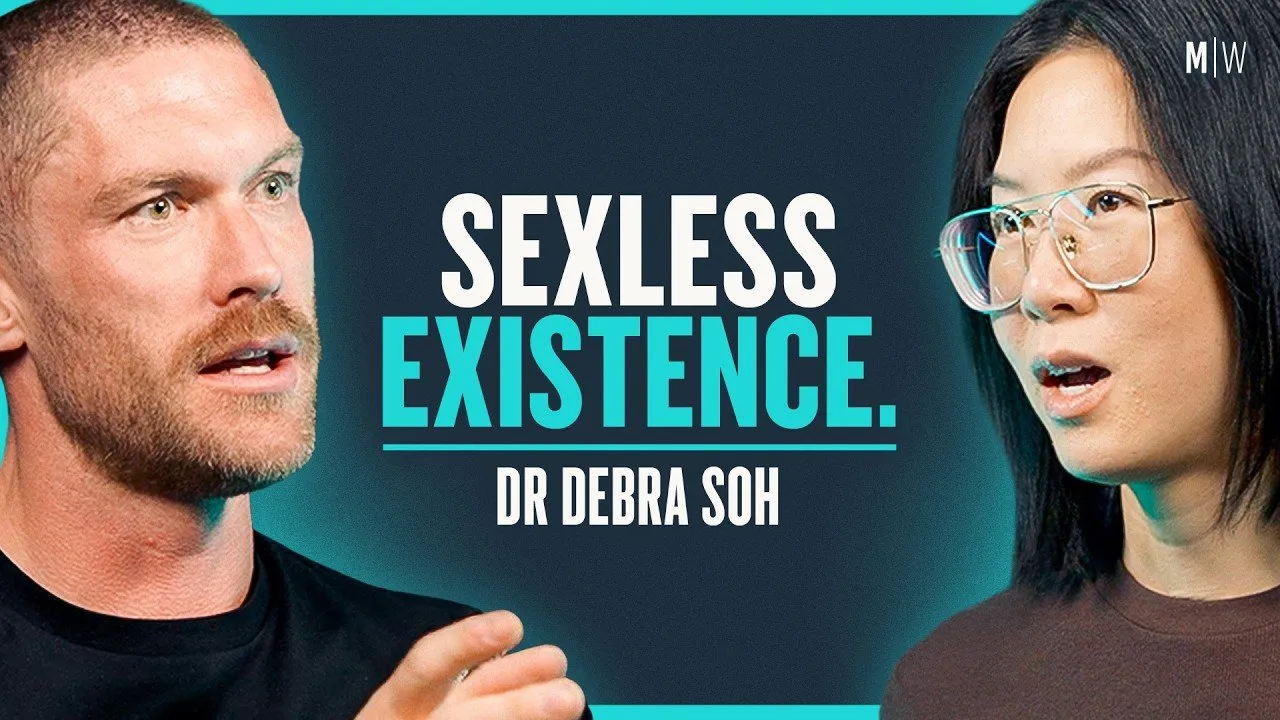
Cain's transformation from someone with paralyzing public speaking fear to a globally recognized TED speaker demonstrates systematic fear conquest through graduated exposure therapy. Her terror originated from a traumatic middle school experience that encoded lasting anxiety into her amygdala, requiring deliberate intervention decades later.
- The triggering incident occurred when an English teacher called Cain to the front of a new classroom to improvise a Lady Macbeth scene. Unable to speak, she stood frozen before returning red-faced to her seat, creating an association that her brain protected her from for years by steering clear of similar situations.
- Traditional talk therapy proved ineffective for addressing performance anxiety because discussing potential sources of fear doesn't provide exposure to the feared stimulus. Cain spent years in therapists' offices discussing origins without gaining practical public speaking skills or confidence.
- Charles DiGrigno's Speak Easy program provided the crucial graduated exposure methodology. Participants began by standing up, stating their name, and sitting down on the first day. Each subsequent session added minimal complexity—answering basic questions about hometown and education while flanked by supportive participants.
- Toastmasters provided the next level of systematic practice, offering structured opportunities to practice both impromptu and prepared speaking every two weeks. This regular exposure rhythm prevented regression while building confidence through repetition and supportive feedback from fellow members.
- For her TED Talk specifically, Cain hired coach Jim Figliozzi for intensive week-long preparation. His psychological insight began with couch conversations about the material before gradually transitioning to stage presentation, meeting Cain where she felt comfortable rather than forcing immediate stage performance.
- Even with extensive preparation, Cain rewrote the final third of her TED Talk after a practice session on Friday night revealed content problems, then spent the entire night revising and memorizing new material while traveling to the event.
Understanding Introversion: Beyond Common Misconceptions
Cain's research reveals crucial distinctions between introversion and shyness that reshape how people understand their social preferences and anxieties. These differences have practical implications for workplace environments, social strategies, and personal development approaches.
- Introversion represents a neurobiological preference for lower stimulation environments, with introverted nervous systems reacting more intensely to incoming stimuli. This creates optimal performance and happiness in calmer settings, explaining why group dinners or busy restaurants can feel overwhelming rather than energizing.
- Shyness centers on fear of social judgment rather than stimulation preferences. Shy individuals tend to interpret neutral facial expressions as disapproval and react strongly to perceived criticism, whether in job interviews, presentations, or casual social interactions.
- Many introverts develop strategic approaches to social situations, such as cooking meals during group dinners to have specific tasks while guests arrive and mingle. This provides purposeful activity rather than unstructured socializing, allowing comfortable participation without performance pressure.
- Bill Gates likely represents introversion without significant shyness—preferring quieter environments for optimal thinking but comfortable with social evaluation when necessary. Conversely, Eileen Fisher describes herself as a shy extrovert, constantly organizing workshops and surrounded by people while feeling intense discomfort in many social situations.
- Environmental factors significantly impact introverted performance more than personality factors. Tim Ferriss notes his preference for hosting group dinners at homes rather than popular restaurants, where noise and stimulation levels remain manageable throughout the evening.
- Workplace implications include understanding that introverted employees may perform better in quieter spaces with fewer interruptions, while extroverted colleagues might become listless in environments that lack sufficient stimulation and social interaction.
Cain's Seven-Year Writing Journey: Protecting Creative Vision
Cain's approach to writing "Quiet" demonstrates how protecting creative passion from financial pressure enables deeper, more authentic work. Her seven-year timeline included major revisions, extensive research, and deliberate separation between creative fulfillment and income generation.
- After leaving Wall Street law when passed over for partnership, Cain immediately began writing on her laptop that same evening, signing up for NYU creative nonfiction classes within a week. The creative urge emerged automatically once space opened in her schedule after a decade of legal work.
- Cain established a negotiation skills teaching business to pay rent while treating writing as a beloved hobby rather than primary income source. This separation prevented financial pressure from influencing creative decisions or forcing premature publication of substandard work.
- Her editor's rejection of the first draft after 18 months proved liberating rather than devastating because Cain recognized the manuscript's inadequacy. The publisher's decision to extend deadlines rather than demand advance repayment reflected unusual industry support for quality over speed.
- Research methodology involved spending 1-2 years walking through the world viewing everything through her thesis lens, accumulating 700-800 pages of notes in a single Word document. She organized material by tagging themes, then separated content into eight or nine loose-leaf binders organized by topic.
- Writing sessions typically occurred after dropping children at school and exercising, starting around 10 AM and continuing for 2-3 hours until concentration naturally diminished. Cain learned to recognize mental fatigue signals rather than forcing unproductive extended sessions.
- The book required multiple complete rewrites, with Cain throwing out substantial portions when structural problems became apparent. Her philosophy prioritized deep love of the subject over publication timeline, believing that rushed work would diminish the emotional connection that motivated the project.
Meditation and Connection: Tools for Creative Transformation
Both Rodriguez and Cain discovered practices that shift attention away from self-focused anxiety toward broader connection and creative flow. These techniques provide rapid access to different states of consciousness that enhance both creative output and personal well-being.
- Rodriguez learned from painter Sebastian Kruger that creative flow emerges when ego steps aside and allows natural instincts to guide decision-making. The key insight involved trusting that the next brushstroke or creative choice would emerge organically rather than requiring predetermined plans or techniques.
- Cain's experience with loving-kindness meditation, introduced through Meng Tan's "Joy on Demand," produced immediate mood transformation through brief daily practice. One woman's experiment doing one-minute loving-kindness meditations hourly during a workday resulted in her best office experience in seven years.
- Traditional loving-kindness practice begins with directing compassion toward oneself before extending to others, but many Americans struggle with self-compassion. Jack Cornfield's observation that "if your compassion doesn't include yourself, then it's incomplete" became pivotal for developing sustainable practice.
- Cain discovered that directing loving-kindness toward imagined audience members transforms public speaking anxiety by shifting focus from personal judgment fears to service orientation. Visualizing even one parent with a shy child who might benefit from her message instantly changes the energy and purpose of presentations.
- Sam Harris's "Waking Up" book and meditation app provided scientifically grounded introduction to contemplative practices for skeptically-minded individuals. Harris's 28-year investigation of spiritual tools from a neuroscientist's perspective offered credible guidance for evidence-oriented practitioners.
- Late-night writing sessions access different creative states because cortisol levels drop significantly, allowing unfettered associative thinking and emotional connection to ideas. This neurobiological shift produces insights unavailable during high-stress daytime periods when analytical thinking dominates.
Embracing Creative Constraints: The Freedom of Limitations
Rodriguez's philosophy of "freedom of limitations" reveals how artificial constraints often produce more innovative solutions than unlimited resources. This principle applies across creative disciplines and business contexts, forcing efficiency and original problem-solving.
- The "Four Rooms" project with Quentin Tarantino required all directors to set short films in one room on New Year's Eve featuring the same bellhop character. These severe constraints produced more experimental and exciting results than open-ended creative freedom would have allowed.
- Rodriguez deliberately maintains low budgets on current projects to preserve creative autonomy and ensure financial success regardless of box office performance. Studios provide less oversight for lower-budget films because financial risk remains manageable, preserving director control over artistic decisions.
- Equipment limitations during El Mariachi forced creative editing solutions that became signature stylistic choices. The noisy camera requiring separate sound recording created snappy cutting patterns when Rodriguez needed to maintain synchronization, turning technical problems into aesthetic advantages.
- Rodriguez's current approach involves self-imposed time and money constraints even with access to major studio resources. These artificial limitations maintain the creative urgency and problem-solving necessity that produced his most innovative work during resource-scarce early career periods.
- The principle extends beyond filmmaking to any creative endeavor where unlimited options can paralyze decision-making. Having specific parameters—whether budget, timeline, or materials—forces commitment to solutions and prevents endless revision cycles that never reach completion.
- Rodriguez teaches actors and crew that not knowing exactly what comes next often produces better results than rigid planning. This philosophy requires trust in creative instincts and willingness to adapt when unexpected situations arise, treating surprises as gifts rather than problems.
Rodriguez and Cain represent two different approaches to the same fundamental principle: constraints and fears become creative fuel when approached with systematic preparation and philosophical reframing. Their combined wisdom suggests that the path to creative mastery lies not in eliminating limitations but in transforming them into competitive advantages that others cannot easily replicate.