
Table of Contents
The Mobile World Congress (MWC) 2026 has officially opened in Barcelona, showcasing a significant shift in mobile technology as intelligence moves from cloud-based software into physical hardware. With over 2,400 exhibitors in attendance, this year’s event highlights an industry-wide transition toward the "IQ era," where AI-integrated robots, modular hardware, and advanced consumer electronics are blurring the lines between science fiction and everyday utility.
Key Points
- Physical AI Integration: The dominant trend at MWC 2026 is the migration of artificial intelligence from digital assistants into tangible hardware, including robotics and specialized modular peripherals.
- Modular Innovation: Manufacturers such as Tecno are reviving modular design, allowing users to attach dedicated hardware—like high-magnification telephoto lenses and external batteries—to ultra-slim smartphone chassis.
- Advanced Productivity Tools: New e-ink devices are incorporating real-time AI, capable of recording, transcribing, and summarizing multilingual meetings in portable, paper-thin formats.
- Industrial Durability: Exhibitors are demonstrating extreme stress-test scenarios, including public demonstrations of smartphones designed to withstand physical crushing while maintaining full functionality.
The Shift Toward Physical Intelligence
While previous years of MWC focused heavily on software-defined AI, the 2026 exhibition marks a definitive pivot toward hardware. Companies like Xiaomi are using the venue to emphasize the deep integration of design and technical partnerships, notably its long-standing collaboration with Leica. Beyond imaging, the exhibition floor is filled with AI-driven robotics and concept vehicles that suggest a future where the smartphone serves as the central hub for an expansive ecosystem of physical devices.
Industry observers note that the theme of "intelligence becoming physical" is reflected in how devices interact with the world. Rather than simply processing information, new hardware is being designed to act upon it, whether through autonomous robotic movement or adaptive modular upgrades.
Modularity and Design Evolution
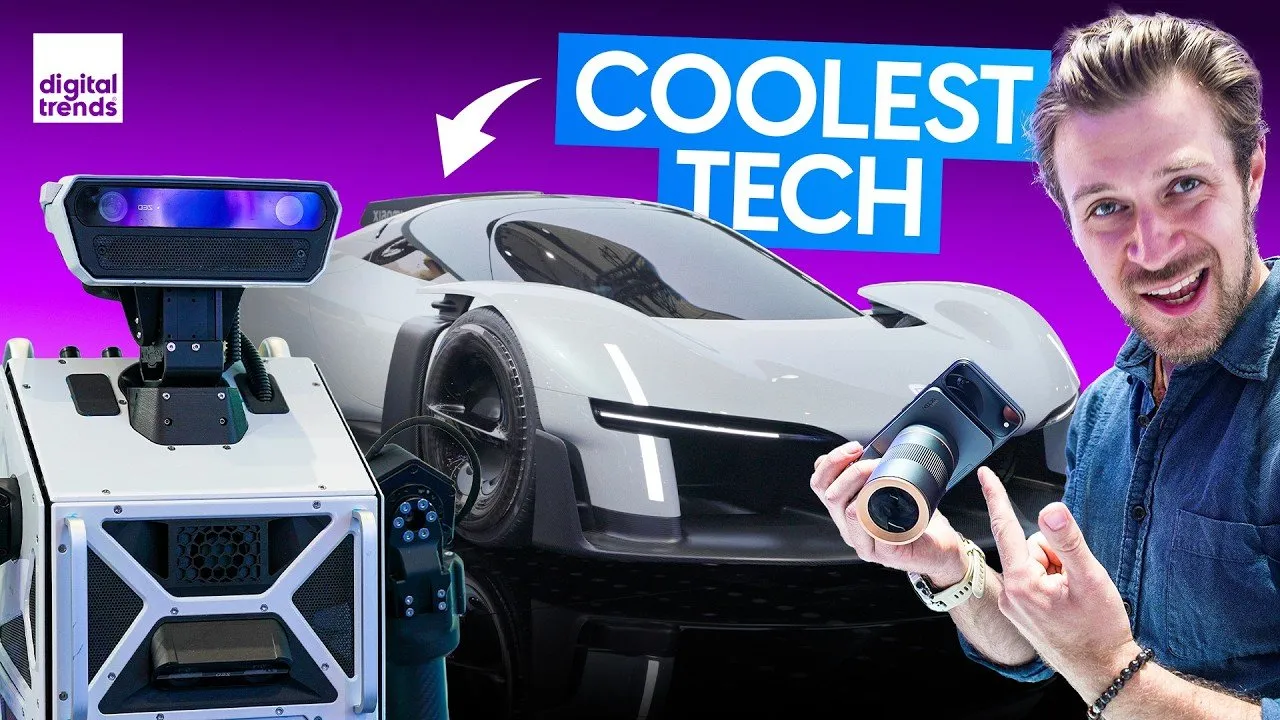
One of the most notable hardware trends is the return of modularity, addressing the limitations of static smartphone designs. Tecno showcased a series of snap-on modules that transform an ultra-thin handset—measuring roughly 6 to 7 millimeters—into a professional-grade imaging tool. These modules, which connect via high-speed wireless protocols, include telephoto lenses with manual focus and 20x magnification, as well as external battery packs that allow for continuous operation.
"From modular hardware to AI that finally has a physical body, the line between science fiction and the smartphone in your pocket is officially gone," noted Digital Trends contributor Alex Tchaikovsky during a live demonstration on the show floor.
In addition to modularity, durability has become a primary feature. Manufacturers are conducting live, high-pressure stress tests to prove that modern mobile devices can survive impacts that would have historically rendered them inoperable, signaling a maturation in material science and structural engineering.
Future-Ready Productivity
Productivity hardware is also undergoing a radical transformation. The latest e-ink tablets are moving beyond basic reading and writing functions by embedding AI processors capable of handling complex office tasks. These ultra-thin devices can now capture high-fidelity audio, translate conversations in real-time, and generate concise summaries, effectively serving as an autonomous administrative assistant.
As MWC 2026 continues, the focus will likely remain on how these disparate innovations—modular hardware, AI-powered office tools, and extreme-durability devices—can be synthesized into a cohesive consumer experience. For industry stakeholders, the immediate goal is demonstrating how these "IQ-ready" technologies move beyond the showroom floor and into mass-market adoption.


![EXPLOSIVE: Time’s Up! [The Next Big Market Move Has Arrived]](/content/images/size/w1304/format/webp/2026/03/market-volatility-geopolitical-tension-oil-prices.jpg)

