Table of Contents
CES 2026 has showcased a significant shift in consumer electronics, moving beyond experimental concepts to focus on practical artificial intelligence integration and versatile form factors. Major manufacturers and startups alike are demonstrating how hardware—from home entertainment to robotics—can leverage generative AI to become more context-aware and seamless in daily environments.
Key Points
- LG W6 Wallpaper TV: A 9mm-thin OLED display featuring a flush-to-wall design and enhanced anti-reflective panel technology.
- Generative AI Hardware: Fraimic’s e-ink frames utilize ChatGPT to generate custom artwork, while LG’s Cloid robot aims to act as a central home manager.
- Hybrid Audio: TDM’s Neo Hybrid headphones introduce a dual-function design, converting from wearable cans to a Bluetooth speaker via a magnetic twist mechanism.
- Advanced Translation: Timekettle introduced its "Select" engine, designed to recognize specific language pair nuances for more natural real-time communication.
Display and Audio Innovation
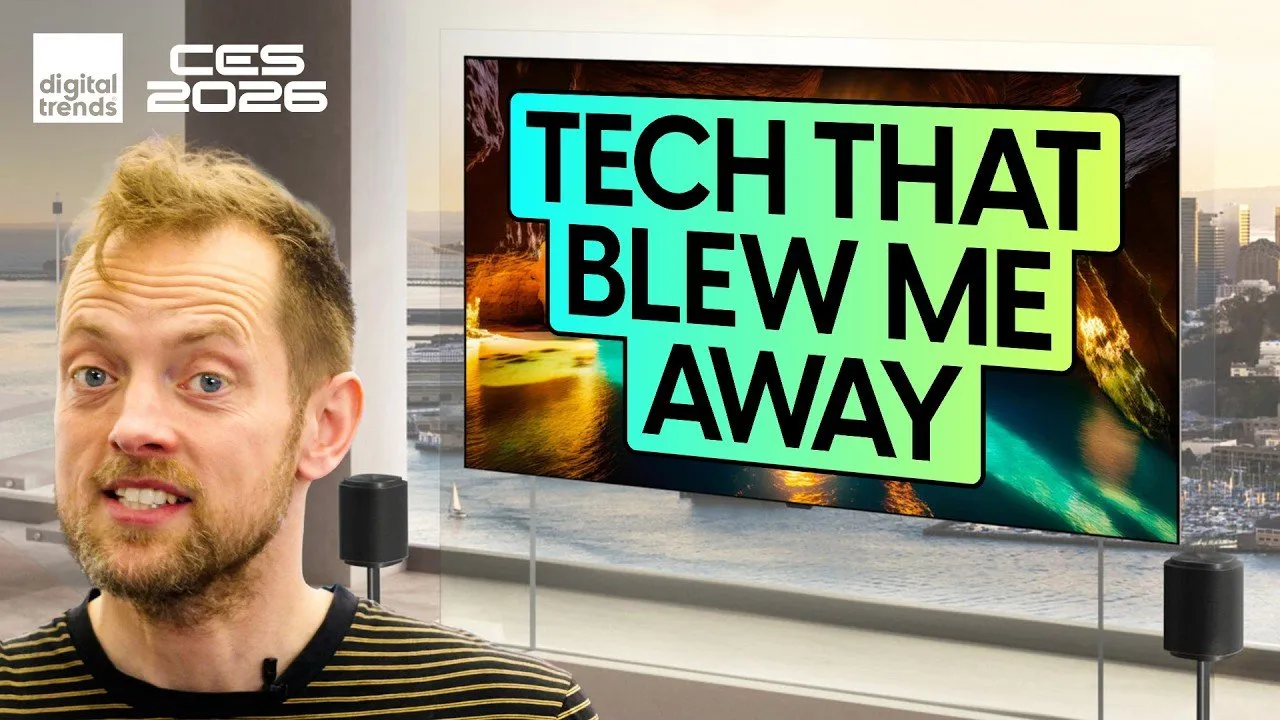
In the home entertainment sector, LG continues to refine its OLED technology with the introduction of the W6 Wallpaper TV. At just 9mm thick, the display is engineered with a flat back to sit completely flush against walls, eliminating the gap seen in traditional mounts. According to representatives from LG Display, the new panel incorporates an updated OLED structure that enhances color depth and significantly reduces screen reflection, ensuring viewing angles remain consistent regardless of ambient lighting.
While pricing has not been officially confirmed, industry analysis suggests the cost will align with current high-end consumer ranges rather than the five-figure price tags associated with early "wallpaper" prototypes.
On the audio front, TDM has launched the Neo Hybrid headphones, a device attempting to bridge personal listening and social audio. The hardware features a unique twist-lock mechanism that transforms the headphones into a portable speaker powered by quad 40mm drivers. Set to launch via Kickstarter at $249, the device represents a growing trend of hybrid functionalities in wearable tech.
The Integration of Generative AI
Artificial intelligence has moved from software backends to physical interfaces at CES 2026. The Fraimic photo frame utilizes an e-ink display combined with an integrated microphone and ChatGPT’s image generation engine. Users can verbally request specific imagery, which the device generates in minutes. The frames, priced at $399 for the 14x18-inch model and $999 for the 24x36-inch poster size, also feature dynamic context awareness, capable of altering displayed art to match media content, such as Netflix movie posters.
Robotics also featured heavily, with LG debuting the Cloid prototype. Described as a "home appliance on wheels," Cloid utilizes generative AI to interact with other smart devices, such as connected ovens and washing machines. During press demonstrations, the robot successfully navigated chores, such as loading laundry, though the operation remains slow and heavily choreographed.
"This robot is a symbol of how LG thinks robots are going to impact our lives... [It is] designed to work with connected fridges, ovens, and washing machines to cook, clean, and generally become part of the family."
While the Cloid unit features human-like dexterity in its manipulators, it remains a prototype with no confirmed release date for 2026, signaling that while the hardware is capable, commercial viability for complex home robots is still on the horizon.
Advances in Communication Tech
Timekettle announced a significant software upgrade for its translation devices with the introduction of the "Select" translation engine. This update addresses the "stilted" nature of previous real-time translation tools by optimizing for specific language pairs—recognizing that translating English to Korean requires different contextual processing than English to German.
The update is scheduled to roll out across the Timekettle product line, including the W4 earbuds and T1 AI Translator, starting in January 2026, with full deployment expected by the end of March.
As CES 2026 concludes, the industry focus is clearly set on refining user interfaces through AI and improving the aesthetic versatility of home technology. While products like the Neo Hybrid headphones and Fraimic frames are nearing immediate market availability, advanced robotics like LG's Cloid suggest a longer development timeline before automated assistants become standard household fixtures.