Table of Contents
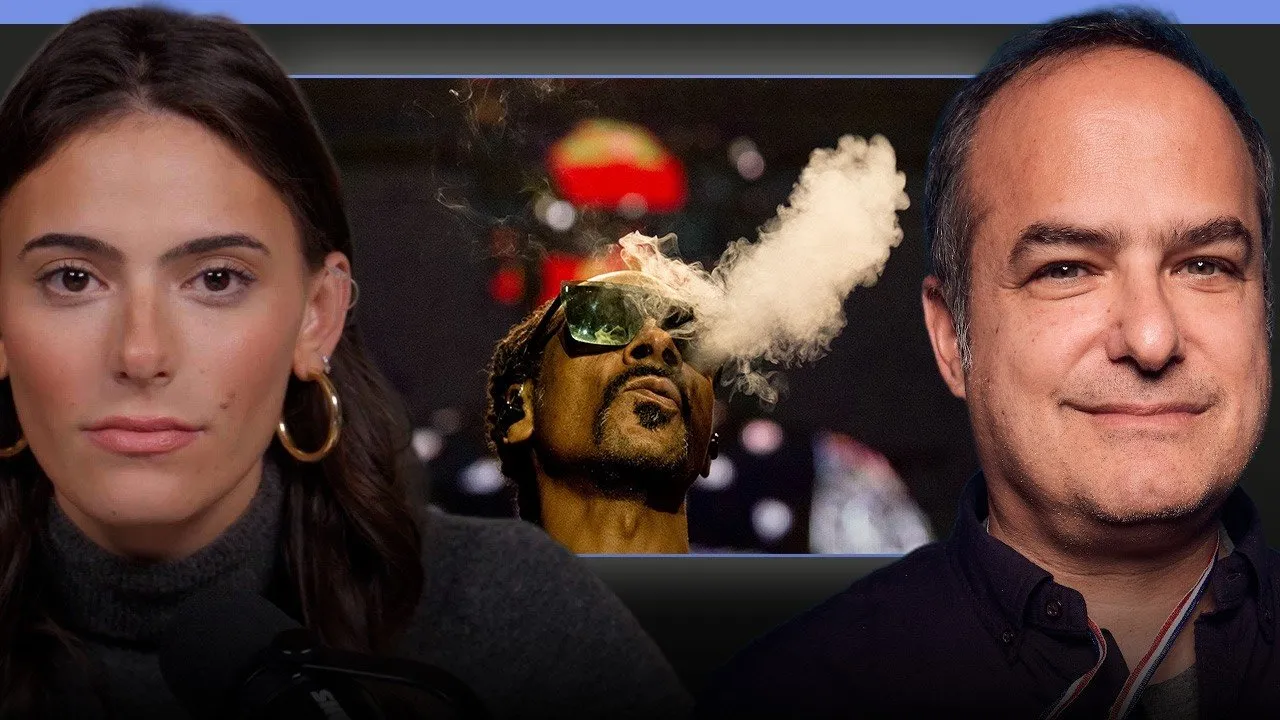
The Hidden Costs of Modern Cannabis Culture: A Conversation with Neal Pollack
For over a decade, the cultural narrative surrounding marijuana has shifted from taboo to celebratory. With 24 states legalizing recreational use, we are frequently told that cannabis is a benign tool—a way to soothe anxiety, spark creativity, and manage pain. However, as widespread adoption reshapes our daily lives, a more complex and concerning reality is beginning to emerge. From the rise of cannabis use disorder to alarming links between adolescent consumption and psychiatric conditions, the "harmless" image of the drug is being challenged by those who have lived through the addiction firsthand.
Key Takeaways
- Nearly three in 10 marijuana users now meet the criteria for cannabis use disorder.
- Emerging medical data suggests a strong correlation between heavy cannabis use and increased risks of psychosis and bipolar disorder in young people.
- Cannabinoid hyperemesis syndrome, characterized by severe, repeated vomiting, is becoming an increasingly common reason for emergency room visits.
- Recovery from long-term cannabis addiction often reveals significant improvements in emotional regulation, interpersonal relationships, and professional decision-making.
The Anatomy of a High-Functioning Addiction
For author and journalist Neal Pollack, the path to marijuana dependency was not a sudden explosion but a slow, steady drift. While many associate addiction with a loss of professional function, Pollack’s experience serves as a sobering counter-narrative. At the height of his career, he was a successful writer maintaining a public-facing life while simultaneously struggling with a dependency that governed his every move.
A Lifestyle Built on Dependence
Pollack admits that for years, he viewed his substance use as part of his "brand." He felt that being a "free-wheeling drug user" was synonymous with his creative identity. He integrated cannabis into every aspect of his existence—traveling, working, and parenting. He describes it as a total lack of separation between his sober self and his high self.
"I ended up getting high every day of my adult life. I not only became psychologically dependent on it, but I also bragged about that fact to the point where I became a leading outspoken spokesperson for its use."
Ignoring the Warning Signs
When family members and colleagues raised concerns about his behavior, Pollack’s response was classic defensive denial. Because he was still meeting professional deadlines and achieving career milestones, he assumed he was immune to the negative consequences that supposedly plagued "lesser" users. It was not until he experienced public meltdowns—such as erratic behavior at a World Series game—that he recognized the damage the drug was doing to his ability to process emotions maturely.
The Cultural Shift and the Illusion of Safety
Pollack notes that we are currently living through a period of "mass denial" regarding the impacts of cannabis. The drug’s transition from an underground, illicit substance to a mainstream wellness product has created a societal blind spot. Much like the mid-20th-century culture around tobacco, marijuana is now being treated as a casual, everyday habit.
The "Invasion of the Body Snatchers" Effect
Walking through major American cities today, one can see the result of this normalization. Pollack describes a pervasive "glaze" over the population in areas where cannabis is fully legal and ubiquitous. When people replace evening glasses of wine with high-potency THC edibles, they may not realize their baseline temperament is being fundamentally altered. This is particularly concerning as the products available today are significantly more potent than those available decades ago.
The Disconnect Between Policy and Reality
Critics of modern drug policy often argue that we must balance the harms of cannabis with the harms of the justice system. Pollack agrees that mass incarceration for possession is a failed policy, yet he advocates for a shift in public awareness. He suggests that we need to stop treating the drug as a "health food" and start treating it with the same caution we apply to other controlled substances, including mandatory warning labels and honest educational campaigns.
The Path to Clarity and Recovery
The journey toward sobriety revealed to Pollack exactly what the drug had been stealing from him. After breaking the cycle, he noticed immediate improvements in his ability to be present. The "fog" of constant consumption had hindered his capacity to handle life’s daily stressors, from minor bureaucratic hurdles to major emotional losses, such as the death of his mother.
Regaining Emotional Regulation
One of the most profound benefits of his recovery was the return of his ability to manage temper and conflict. Under the influence of cannabis, he had been trapped in a state of "permanent adolescence," prone to outbursts he couldn't control. Sobriety allowed him to re-engage with his family and professional life with a clarity he hadn't experienced in decades.
"I was able to be more present for my wife and for my son... I was able to, sort of, be a better father, son, husband, uncle, brother, you know, all the roles that actually matter."
A Warning to Future Generations
Reflecting on the current landscape, Pollack emphasizes that cannabis is often a "wolf in sheep’s clothing." It presents itself as a harmless, fun, or therapeutic substance, but for many, it can quietly dismantle their stability and long-term potential. His message to those currently in the grip of the lifestyle is direct: if you feel you need the drug to function, you have already crossed the threshold into addiction, and it is time to reassess.
Conclusion
The conversation around cannabis is overdue for an update. As the country grapples with the fallout of widespread legalization, the experiences of former long-term users like Neal Pollack provide a vital perspective that goes beyond headlines and lobbyist talking points. By acknowledging the risks—ranging from dependency and psychosis to simple lost time and stunted emotional growth—we can move toward a society that treats this powerful substance with the gravity it requires, rather than the casual indifference that characterizes the current cultural moment.