Table of Contents
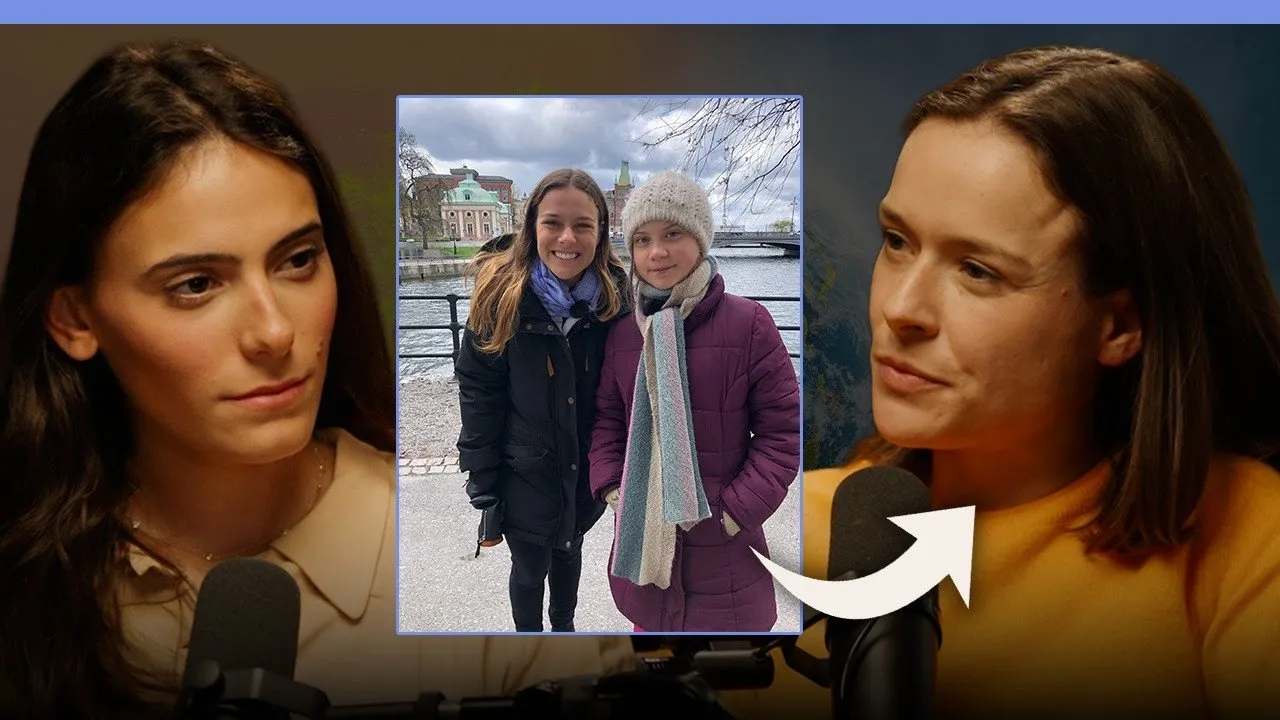
For years, Lucy Biggers was the digital face of the climate movement. As a video producer and on-camera personality for NowThis News, she built a platform creating viral content that championed the Green New Deal, demonized fossil fuels, and urged followers to eliminate single-use plastics. Her identity was inextricably tied to the narrative that the world was on the brink of collapse and that radical systemic change was the only path to salvation.
Today, however, Biggers has emerged as one of the movement's most articulate critics. Her journey from a celebrated "climate warrior" to a pragmatic realist offers a rare glimpse into the psychology of modern activism. It reveals how groupthink and social validation often supersede scientific inquiry, and how the "doomerism" narrative is exacting a heavy toll on the mental health of an entire generation. Her story is not just about changing one’s mind; it is about the courage required to dismantle one’s identity in the pursuit of truth.
Key Takeaways
- Activism as Identity: For many young professionals, joining the climate movement is driven less by scientific data and more by a psychological need for moral validation and social belonging.
- The COVID-19 Catalyst: The pandemic lockdowns provided a real-world test case for radical emission reductions, revealing that stopping the global economy resulted in minimal climate impact but massive human suffering.
- The Plastic Paradox: The rapid reintroduction of single-use plastics during the pandemic (masks, barriers, takeout containers) contradicted years of anti-plastic rhetoric without causing the predicted ecological collapse.
- Nihilism in Gen Z: The catastrophic "end of the world" narrative is fostering a dangerous sense of hopelessness among young people, leading to anxiety and anti-natalism.
- Data vs. Dogma: While the planet has warmed, human flourishing has skyrocketed, with deaths from natural disasters dropping 99% over the last century—a fact often ignored by alarmist narratives.
The Psychology of the Echo Chamber
In the mid-2010s, the media landscape began to shift rapidly. For young producers like Biggers, the algorithm was a powerful radicalizer. Working in a progressive newsroom, the feedback loop was immediate: stories about environmental doom garnered millions of views, while nuanced takes fell flat. This environment fostered a culture where questioning the narrative was tantamount to moral failure.
The Search for Atonement
Biggers describes her entry into the movement not as an intellectual awakening, but as an emotional one. In an era increasingly focused on privilege and identity politics, climate activism offered a pathway to moral redemption. By positioning herself as an ally to marginalized communities—such as during the Dakota Access Pipeline protests—she felt she could "atone" for her societal privilege.
"I think it was this desire to atone for my privileged position that I had in the world. The way I could atone was by propping up these narratives... I took it on as an armor and it gave me a lot of accolades."
This psychological dynamic created a fragile foundation for belief. Because her stance was built on social acceptance rather than a deep understanding of atmospheric science, any internal doubt was met with anxiety. To question the consensus was to risk expulsion from the "good person" tribe. Consequently, inconvenient facts—such as the lower carbon footprint of plastic compared to glass, or the safety records of pipelines versus rail transport—were subconsciously suppressed.
The Iceberg of Omission
In digital activism, nuance is often the first casualty. Biggers recalls a pervasive sense that she was only presenting the "tip of the iceberg." Beneath the surface lay complexities and contradictions that, if acknowledged, would dilute the urgency of the message. The prevailing logic was that the existential threat of climate change justified the omission of counter-arguments. This "war footing" mentality allowed activists to bypass rigorous debate in favor of emotional mobilization.
The Breaking Point: What the Pandemic Revealed
For Biggers, the unraveling of her activist worldview began in 2020. The COVID-19 pandemic served as an inadvertent global experiment in the very policies climate activists had championed: a radical cessation of travel, industry, and consumption.
The Emissions Reality Check
At the height of the lockdowns, global carbon emissions dropped, but only marginally—roughly 5% to 17% depending on the metric—despite the world grinding to a halt. This was a wake-up call. The climate movement demands a 100% reduction in emissions. If locking people in their homes and shutting down the global economy achieved only a fraction of that, the logical conclusion was that the movement’s goals were incompatible with human freedom and prosperity.
"I don't know if I want to live in a world where we have zero carbon emissions because I'm kind of depressed right now at home... If you take it to its logical conclusion, it's going to require people to give up their freedoms."
The Return of Plastic
Simultaneously, the cultural demonization of plastic vanished overnight. After years of sweating over plastic straws, society suddenly embraced disposable masks, gloves, and plexiglass barriers. The world did not end; in fact, these materials were essential for hygiene and safety. This glaring contradiction—where plastic was evil one day and a savior the next—highlighted the often performative nature of environmental purity tests.
The Human Cost of Climate Doomerism
One of the most pernicious effects of modern climate rhetoric is its impact on human optimism. The narrative has shifted from environmental conservation—a noble goal of protecting nature—to a nihilistic view that frames humanity itself as a plague.
A Generation Paralyzed by Fear
The "climate clock" mentality has permeated the consciousness of Gen Z. Biggers notes that many young people are making life-altering decisions, such as refusing to have children or abandoning long-term career goals, based on the belief that the world will end within their lifetimes. This is not merely political disagreement; it is a mental health crisis fueled by exaggerated modeling and fear-mongering.
The movement often idolizes figures who promote panic, while demonizing innovators. There is a distinct anti-human undercurrent that rejects technological solutions—like nuclear energy or the carbon-efficiency of modern agriculture—in favor of a utopian, pre-industrial fantasy that cannot support the current global population.
Returning to Realism: Data Over Dogma
Leaving the echo chamber required Biggers to rebuild her worldview on data rather than social approval. The transition to "climate realism" acknowledges that while the planet is warming, the apocalyptic extrapolations are unsupported by history or data.
The Flourishing Paradox
The most compelling argument against climate doomerism is the historical record of human resilience. Since 1850, the planet has warmed approximately 1.3 degrees Celsius. Yet, during this same period, human life expectancy, literacy, and prosperity have skyrocketed. Most notably, humanity has become incredibly adept at protecting itself from the climate.
- Safety First: Deaths from natural disasters have declined by approximately 99% over the last century, thanks to better infrastructure and early warning systems.
- Adaptation: Humans are historically adaptable. We have innovated our way out of resource constraints and environmental hazards consistently throughout history.
- The Innovation Gap: The solutions to environmental challenges lie in technology and abundance—such as electric vehicles and cleaner energy sources—not in enforced austerity and de-growth.
Conclusion
Stepping away from the climate activist label was not just a change of opinion for Lucy Biggers; it was a reclamation of self. It required breaking free from the paralyzing fear of being "wrong" or ostracized by her peers. Her story highlights a growing divide between performative activism, which relies on fear and purity tests, and pragmatic environmentalism, which seeks to solve problems without dismantling human flourishing.
As the conversation around climate change matures, voices like Biggers' are essential. They remind us that skepticism is a healthy part of science, that human beings are capable of incredible adaptation, and that the future is not a catastrophe waiting to happen—it is a challenge to be met with innovation and hope.