Table of Contents
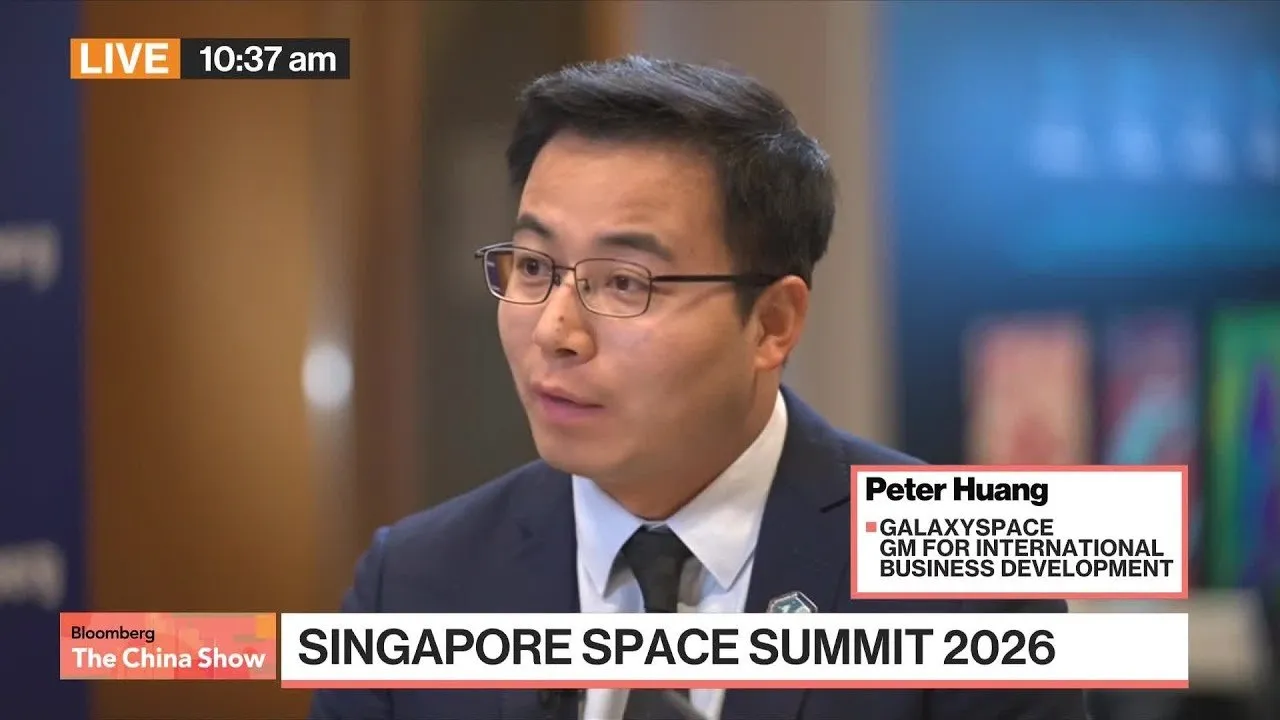
GalaxySpace, a prominent Chinese commercial aerospace company, has outlined an aggressive strategy to deploy satellite mega-constellations and expand its footprint in emerging global markets. Leveraging significant manufacturing breakthroughs that have halved the weight of critical components, the company is positioning itself to compete on cost while navigating the complex regulatory landscape of international spectrum allocation.
Key Points
- Manufacturing Efficiency: GalaxySpace has achieved a 50% weight reduction in communication antennas, directly translating to lower launch costs and higher throughput.
- Global Expansion: The company is prioritizing market entry in Southeast Asia, the Middle East, Africa, and Latin America to address connectivity gaps.
- Regulatory Challenges: Executives identify international frequency coordination and spectrum allocation as the primary hurdles for the industry.
- Technology Integration: Future development focuses on integrating satellite networks with terrestrial 5G and 6G infrastructure.
Driving Down Costs Through Innovation
Since its founding in 2018, GalaxySpace has focused on transitioning from prototype development to mass production. The company has successfully launched over 40 satellites into orbit, leveraging a private-sector push supported by favorable Chinese government policies. To make mega-constellations commercially viable, the company established in-house "smart factories" designed to reduce overhead without compromising technical performance.
A primary driver of this viability is the reduction of launch costs through weight optimization. Company representatives highlighted specific breakthroughs in antenna technology—a critical component for broadband communication.
"When we started [in the] market, such kind of antenna had a weight of more than seven kilos. With our innovation and our optimization of design... we successfully reduced the weight of the antenna to half of the original weight... increasing the throughput of the satellites."
By cutting the weight of these components by over 50%, GalaxySpace effectively reduces the high charges associated with launch services, a move essential for establishing sustainable commercial operations.
Targeting the Global South
While domestic policy provides a strong tailwind, GalaxySpace is actively seeking commercial "closed loops" in international markets. The company recently secured a partnership in Thailand, utilizing a trial network to validate technology and identify real-world use cases.
The strategic focus remains on regions with rapidly growing economies but persistent infrastructure deficits. According to the company, priority markets include Southeast Asia, the Middle East, Africa, and Latin America. These regions represent high-value opportunities where satellite connectivity can bridge gaps that terrestrial networks struggle to cover.
The Spectrum Challenge and 6G Integration
Despite technical advancements, the path to a ubiquitous global network faces significant regulatory headwinds. The company identified international coordination regarding frequency allocation as the industry's most pressing challenge. For satellite internet to function effectively without interfering with ground-based networks, operators must navigate complex spectrum rights.
Looking toward the next generation of connectivity, GalaxySpace envisions a seamless integration between space-based assets and terrestrial networks, commonly referred to as 6G. This hybrid infrastructure aims to provide uninterrupted service globally, requiring unprecedented cooperation between satellite operators and traditional telecommunications providers.
As the industry moves toward these "mega-constellations," GalaxySpace continues to refine its direct-to-cell technologies and massive solar panel systems, positioning itself as a key player in the race to define the future of global telecommunications infrastructure.


![Fidelity Just EXPOSED Crypto's Biggest Secret [Not What You Think]](/content/images/size/w1304/format/webp/2026/02/fidelity-2026-crypto-outlook-revenue-sharing.jpg)