Table of Contents
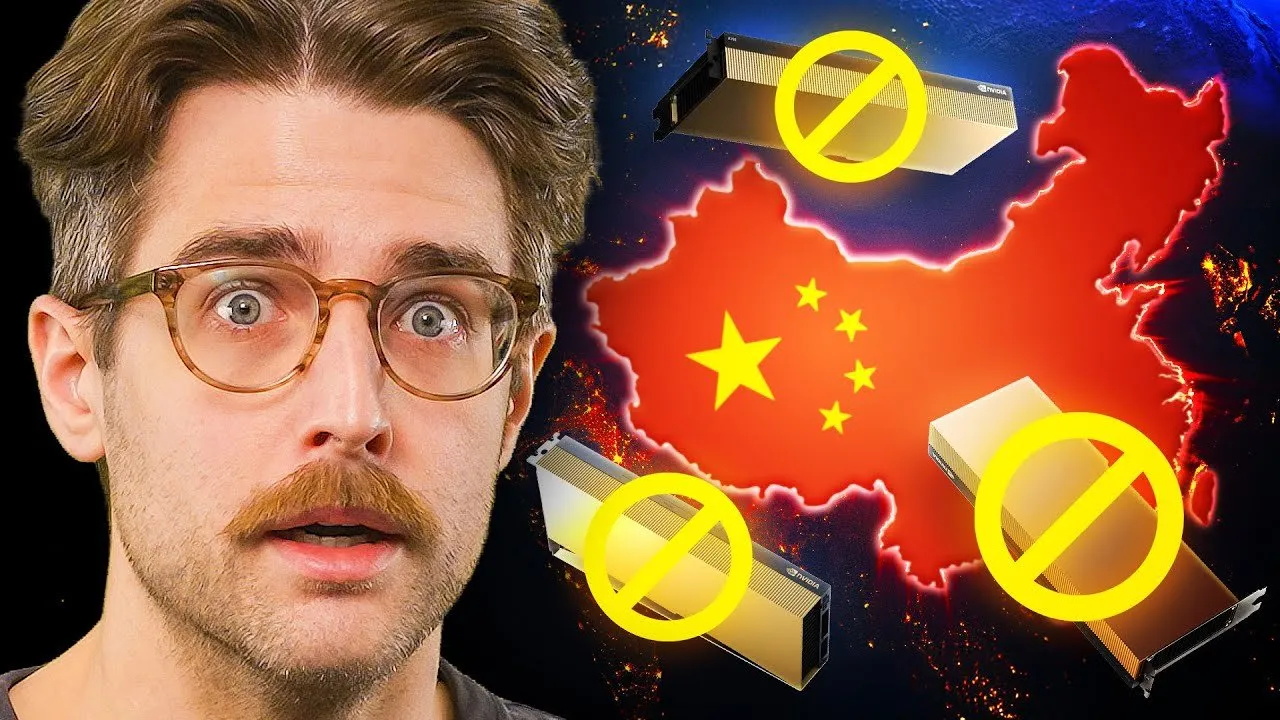
The United States government has officially authorized the export of Nvidia’s H200 accelerator cards to China under strict new compliance measures, though reports indicate that Beijing has unexpectedly moved to block these imports. While the U.S. approval comes with significant caveats—including third-party auditing and surcharges—Chinese regulators have reportedly instructed domestic technology firms to avoid purchasing the hardware, signaling a complex deepening of the semiconductor trade war as both nations vie for artificial intelligence sovereignty.
Key Points
- Trade Standoff: Despite U.S. export approval, Chinese customs officials have reportedly banned the entry of Nvidia H200 chips, instructing local firms to seek alternatives.
- Infrastructure Policy: Microsoft has committed to covering the full cost of its energy consumption for AI data centers, rejecting public subsidies for electricity rates.
- Hardware Constraints: Supply chain reports suggest Nvidia is scaling back production of high-VRAM graphics cards due to GDDR memory shortages.
- Strategic Pivots: Meta has laid off over 1,000 employees from its Reality Labs division, shifting focus from the metaverse to AI and wearable technology.
Geopolitical Tensions Over Semiconductor Exports
The U.S. approval for Nvidia to sell its H200 AI accelerators to China represents a calibrated adjustment to export controls. Under the new framework, sales are restricted to vetted customers and require a comprehensive third-party review for every unit sold. Additionally, the transactions are subject to a 25% fee payable to the U.S. government.
However, the anticipated influx of hardware to Chinese tech companies has hit a regulatory wall in Beijing. According to sources cited by Reuters, Chinese customs officials have been instructed to prevent H200 chips from entering the country. Furthermore, domestic technology firms were summoned by regulators and warned against purchasing the hardware unless absolutely necessary.
The move suggests a strategic counter-maneuver by China to reduce reliance on Western technology, despite the immediate hardware shortages faced by its domestic AI sector. Officials have not clarified whether this constitutes a permanent ban or a temporary stalling tactic pending upcoming diplomatic talks.
Microsoft Addresses AI Power Consumption
Amidst growing concerns over the strain artificial intelligence places on national power grids, Microsoft has announced a "community-first" approach to data center development. In a blog post authored by President Brad Smith, the company outlined five core commitments, chiefly pledging to work with utility providers to set electricity rates that fully cover infrastructure costs, rather than passing those expenses on to residential consumers.
The announcement follows political pressure regarding the energy demands of AI, including recent comments from former President Donald Trump stating that AI companies must pay their own way. Microsoft’s initiative also includes a goal to achieve 40% better water efficiency by 2030 and a refusal to request local tax breaks for specific projects, such as their operations in Leesburg, Virginia.
"It’s both unfair and politically unrealistic for our industry to ask the public to shoulder added electricity costs for AI."
Market Shifts: Hardware Constraints and Corporate Strategy
Nvidia's Memory Supply Chain
Supply chain reports from manufacturing forums indicate that Nvidia is restructuring its consumer graphics card production in response to global memory shortages. The company is reportedly increasing production of 8GB models, specifically the RTX 5060 and 560Ti, while scaling back 16GB variants.
The shift is attributed to ongoing constraints and rising costs for GDDR6 and GDDR7 memory. While this move allows Nvidia to maintain lower price points in the mid-range market, it highlights the continued volatility in component sourcing.
Meta's Strategic Pivot
Meta is continuing its aggressive restructuring, laying off over 1,000 employees within its Reality Labs division. As part of this downsizing, the company has shut down three virtual reality game studios: Twisted Pixel, Sanzaru, and Armature.
A Meta spokesperson indicated the cuts are part of a broader reallocation of resources. The company is pivoting investment away from general metaverse development—which has incurred losses exceeding $70 billion since 2021—toward artificial intelligence and the unexpectedly successful Ray-Ban Meta smart glasses.
Regulatory and Security Updates
Bandcamp Bans AI Content: The music platform Bandcamp has updated its terms of service to ban AI-generated music entirely. The new policy prohibits the use of AI to impersonate artists and bans the use of Bandcamp content for training AI models, reinforcing the platform's stance on human-created art.
Flock Safety Data Leak: A significant privacy breach has affected Flock Safety, a company providing license plate surveillance systems to police departments. An failure to redact public records releases resulted in the exposure of millions of unredacted audit logs. A searchable database of 2.3 million license plates, including active investigation details and surveillance targets, was briefly available online before Flock Safety issued takedown notices citing intellectual property violations.
As the semiconductor landscape fragments further between the U.S. and China, and as major tech firms recalibrate their budgets from experimental VR to practical AI applications, the industry faces a year of tightening regulations and supply chain austerity.