Table of Contents
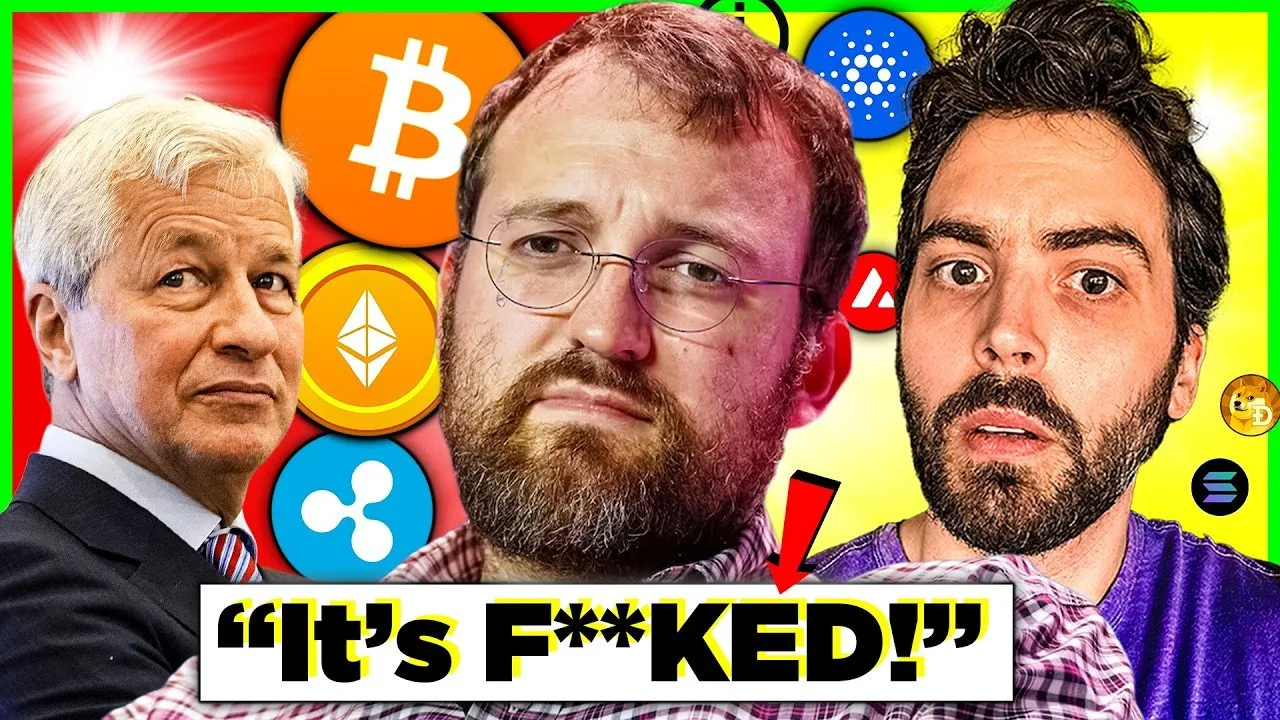
Proposed federal cryptocurrency legislation, intended to provide market structure clarity, is facing significant backlash from industry leaders who fear the bill could unintentionally stifle innovation. Charles Hoskinson, the founder of Cardano and a veteran of the blockchain space, has issued a stark warning against the current draft of the legislation, arguing that it creates “bureaucratic attack vectors” that could empower regulators to dismantle future American crypto projects.
Key Points
- Regulatory Risk: Critics argue the bill labels most new cryptocurrency projects as securities by default, complicating liquidity and ecosystem growth.
- Developer Protections: Industry advocates report that key developer protection clauses have been stripped from the legislation during the amendment process.
- Banking Standoff: A primary legislative hurdle remains the disagreement between crypto firms and traditional banks over stablecoin yield offerings.
- Market Impact: While legacy tokens like Bitcoin and Cardano may receive grandfathered status, the bill offers little clarity for DeFi (decentralized finance) protocols and prediction markets.
The Case Against the Current Draft
The legislative effort, which aims to establish a comprehensive framework for digital assets in the United States, has been criticized for departing from its original "principles-based" approach. Hoskinson, who has been involved in policy discussions since 2022, claims that the removal of essential protections has rendered the bill a tool for potential overreach. He suggests that by categorizing new projects as securities by default, the government effectively creates a high barrier to entry that prevents the development of organic ecosystems.
"It creates attack vectors through bureaucratic nonsense for the SEC to destroy all future American cryptocurrency projects. And also there's nothing in this for DeFi. Nothing," said Charles Hoskinson.
According to critics, the lack of specific provisions for decentralized platforms—such as Uniswap—means the legislation fails to address the unique nature of automated, code-based financial systems. The fear is that if these projects are subjected to traditional security regulations, their operational models would become untenable.
The Banking Divide: Stablecoins and Yield
A central tension in the current debate involves the role of traditional banking institutions versus crypto-native service providers. White House advisor Patrick Wit has highlighted that a compromise regarding stablecoin rewards and yield-bearing products is the "domino" that needs to fall before broader market structure legislation can move forward. However, traditional financial giants remain skeptical of a dual-track regulatory system.
JPMorgan Chase CEO Jamie Dimon has maintained a firm stance against allowing crypto firms to offer yield products without meeting the stringent capital, liquidity, and governance requirements imposed on chartered banks. Dimon argues that a level playing field is essential to protect the public, suggesting that if crypto companies wish to offer banking-like interest products, they should be required to operate under established banking charters.
Implications for the Future of Crypto Policy
The urgency to finalize the bill has led some to argue that perfection should not be the enemy of progress. Proponents suggest that passing a foundational structure—even an imperfect one—will allow financial institutions to enter the sector with certainty, effectively merging the traditional banking and digital asset industries. The expectation is that once banks are fully integrated, regulatory perspectives will naturally evolve through market competition.
However, the industry remains divided. For developers and proponents of decentralized protocols, the "wait and amend" approach presents a significant danger. There is concern that once a regulatory framework is codified, it becomes significantly harder to change, potentially trapping the American crypto industry in a period of stagnation. As Congress continues to work toward a markup in the Senate Banking Committee, stakeholders are closely watching whether further compromises will be reached to address developer protections and the specific needs of the DeFi sector.