Table of Contents
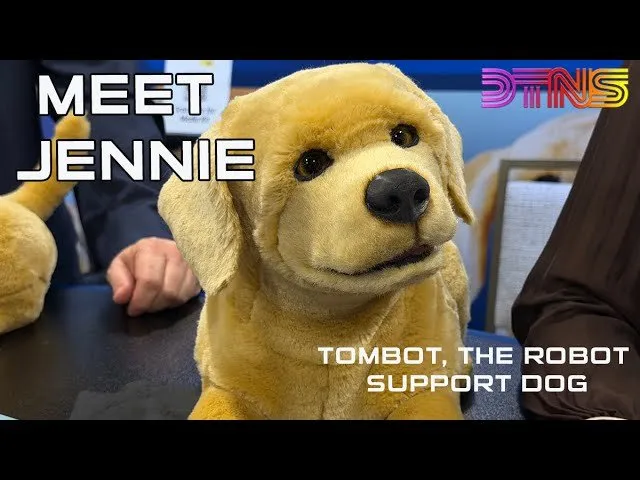
Tombot has unveiled "Jenny," a hyper-realistic robotic emotional support animal designed to assist seniors suffering from dementia and Alzheimer’s. Revealed at CES 2026, this interactive Labrador puppy represents a significant convergence of robotics and healthcare, aiming to function as both a therapeutic companion and a remote safety monitoring platform for patients.
Key Takeaways
- Regulatory First: Jenny is positioned to be the first product serving as both an FDA-registered medical device and a health monitoring platform in its category.
- Therapeutic Design: Created in collaboration with Jim Henson’s Creature Shop, the robot provides realistic tactile therapy to reduce the need for psychotropic medications.
- Advanced Sensing: The device features a complex array of capacitive, audio, and orientation sensors to simulate authentic puppy behavior while mitigating fall risks.
- Market Entry: In-hospital clinical studies are scheduled for spring 2026, with initial paid customer shipments beginning in summer 2026.
Addressing an Unmet Need in Dementia Care
The development of Jenny was driven by personal experience. Tombot’s founder identified a gap in the market after his mother was diagnosed with Alzheimer’s dementia. Due to safety concerns, he was forced to remove her live dog, a decision that caused significant distress. After failing to find a suitable substitute, he recognized a widespread need for realistic, safe therapeutic companions.
The primary medical goal of the device is to treat the behavioral and psychological symptoms associated with dementia. By providing a calming presence, Tombot aims to reduce the reliance on pharmaceuticals, specifically psychotropic medications often prescribed to manage patient distress.
"She'll be the first to be both an FDA medical device and a remote safety and health monitoring platform. Our first product is designed to treat the behavioral and psychological symptoms of dementia, reducing the need for certain medications."
Engineering and Design Specifications
To achieve the necessary level of realism, Tombot partnered with Jim Henson’s Creature Shop for the prototype design. The robot is covered in hypoallergenic, antimicrobial acrylic fur chosen specifically for its tactile appeal, as touch therapy is a critical component of the device's function.
Technically, Jenny is equipped with a sophisticated sensor suite designed for "lap dog" behavior. This distinction is vital for senior safety; unlike real animals that might get underfoot, Jenny is designed to remain stationary on a lap to prevent fall risks. The technology includes:
- Capacitive Touch Sensors: Located across the body, allowing the robot to distinguish between a simple touch, a caress, or a vigorous pet.
- Audio Arrays: Four microphones enable sound localization, allowing the head to turn toward the speaker.
- Orientation Sensors: Accelerometers and gyroscopes detect movement. If the robot feels itself being picked up, it is programmed not to squirm, preventing accidental drops.
- Environmental Awareness: Light and temperature sensors adjust behavior based on room conditions, such as remaining quiet in the dark or shutting down if overheating occurs.
Regulatory Status and Future Availability
Tombot is navigating the regulatory landscape by classifying Jenny as a device that is "510(k) exempt." This classification means that while the company does not require pre-market approval, it must strictly adhere to FDA supply chain and good manufacturing practices. Consequently, the robot will be officially FDA registered.
The current model replicates a yellow Labrador Retriever, with plans to offer other natural Labrador colors. Recognizing that preference varies—surveys indicated a 70/30 split between dog and cat preference among seniors—Tombot also plans to release a robotic cat model in the future.
Tombot expects to begin in-hospital clinical studies in the spring of 2026. Following these trials, the first wave of paid customer shipments is scheduled to commence in the summer of 2026.