Table of Contents
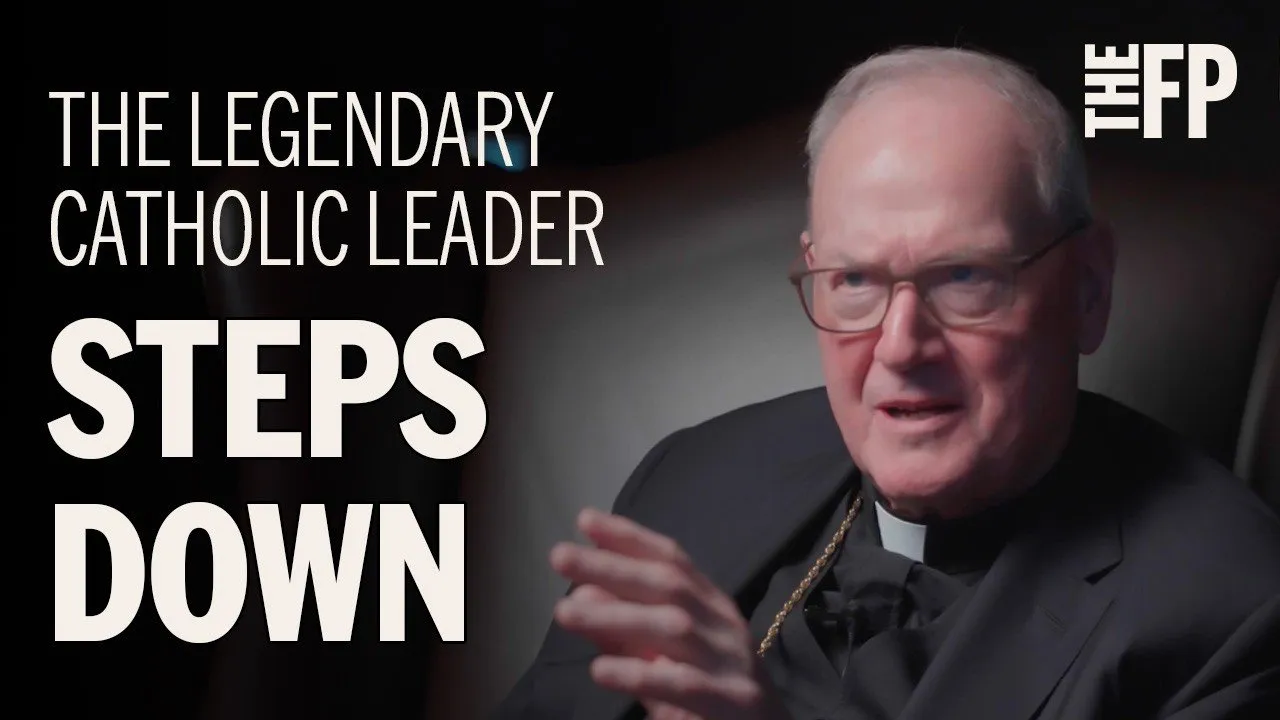
For nearly two decades, Cardinal Timothy Dolan has stood as a colossal figure in American Catholicism, serving as the Archbishop of New York with a distinctive blend of theological depth and plain-spoken wit. As he prepares to step down from his post after 17 years, Dolan leaves behind a legacy defined by his navigation of complex political landscapes, his fervent defense of religious values, and his undeniable integration into the cultural fabric of New York City. In a candid exit interview, the Cardinal reflects on his tenure, the surprising election of the new Pontiff, and the wisdom gained from leading the "Yankee Stadium of religion."
Key Takeaways
- End of an Era: After 17 years, Cardinal Dolan is stepping down, passing the torch to Archbishop Ronald Hicks.
- Combatting Anti-Semitism: Dolan emphasizes that rejecting anti-semitism is a theological imperative based on the dignity of human life.
- Conclave Insights: The Cardinal dispels rumors of being a "kingmaker" in the election of Pope Leo, describing the process as divinely surprising.
- Political Nuance: The Church maintains a "Via Media" (middle road) approach to politics, balancing border security with the humane treatment of immigrants.
- Reflections on Aging: Retirement in New York offers a unique opportunity to shift from task-oriented living to a more contemplative engagement with the city.
The "Yankee Stadium" of Religion
Stepping onto the bimah or the pulpit in New York City is unlike serving anywhere else in the world. When Dolan first received the call to become Archbishop 17 years ago, the prospect was daunting. He recalls a moment of vulnerability the night before the announcement, confessing his fears to his mother. Her advice—that he didn’t ask for the job and should simply trust in God—set the tone for a tenure marked by authenticity rather than pretension.
Celebrating his final mass as the sitting archbishop at St. Patrick’s Cathedral, Dolan noted the significance of the cathedra, the bishop's chair. Leaving that seat symbolizes the end of his administrative authority, but not his connection to the city. He famously describes St. Patrick’s as the "Yankee Stadium of religion," a testament to its grandeur and central role in New York life.
Becoming a New Yorker
Transitioning from St. Louis to the high-octane environment of New York required an adjustment period. Dolan admits to harboring initial stereotypes about New Yorkers being "mean" or "pagan." However, he quickly discovered that the city is composed largely of people who, like him, came from elsewhere and were adopted by the metropolis.
His "I’m home" moment arrived swiftly in 2009 at the actual Yankee Stadium. While watching his beloved St. Louis Cardinals play the Yankees, a fan recognized him, validated his loyalty to his home team, and offered to buy him a beer. This distinct blend of directness and hospitality solidified his bond with the city.
A Theological Bulwark Against Anti-Semitism
One of the most defining aspects of Dolan’s legacy is his vigorous opposition to anti-semitism. In an era where hate speech has seen a resurgence on both the political left and right, Dolan argues that the Catholic stance must be unequivocal.
He grounds this position not just in interfaith diplomacy, but in the core pillars of Catholic theology: the dignity of the human person and the sacredness of human life. To hate someone based on race or religion is fundamentally opposed to these tenets.
"Anti-semitism is a grave sin, the work of Satan himself... You may say you're a Catholic, if you're not doing the will of your heavenly father, you ain't."
Dolan does not shy away from historical context, acknowledging that the Church has not always risen to the defense of Jewish neighbors in the past. This historical awareness fuels his determination to ensure that modern Catholicism stands as a barrier against hate, challenging those who claim the faith while spewing anti-semitic rhetoric to examine their conscience.
The Conclave and the New Pope
The recent election of Pope Leo (formerly Robert Prevost) sparked rumors in the Italian press that Dolan acted as a "kingmaker" behind the scenes. Dolan modestly deflects this title, suggesting that while he helped foster an environment of trust among the cardinals, the outcome was not a result of strategic politicking.
In a revealing look inside the Sistine Chapel, Dolan describes sitting directly behind the new Pope during the voting process. He observed a man devoid of ambition for the role, noting how Prevost’s shoulders slumped with every vote tally in his favor. For Dolan, this humility validated the choice.
He views the selection of a less prominent figure as evidence of divine intervention rather than human strategy. It serves as a reminder that leadership in the Church often falls to the humble and the overlooked rather than the ones campaigning for power.
Navigating Politics and the "Via Media"
Throughout his tenure, Dolan has engaged with presidents from Barack Obama to Donald Trump. He describes the Church's position as a "Via Media"—a middle road that often puts it at odds with hardliners on both sides of the aisle.
The Immigration Debate
Regarding the Trump administration, Dolan articulates a nuanced position. The Church supports the state's right to secure borders and remove dangerous individuals. However, when enforcement becomes "high-handed" or violates human rights—referencing recent controversies regarding ICE tactics—the bishops feel compelled to speak out.
Dolan notes that no president since Truman has received an "A+" from the Catholic bishops. The role of the Church is to applaud policies that align with human dignity and critique those that do not, regardless of the party in power. He expresses a cautious optimism that the administration is tempering its approach after initial pushback.
The Wisdom of Slowing Down
As he transitions into retirement, Dolan offers a philosophical perspective on aging in a city known for its frenetic pace. He argues that getting older requires one to "become a kid again" in terms of curiosity, reading, and wandering.
He recounts a recent experience walking through Grand Central Station—a place he had rushed through for 17 years. This time, he stopped to get a shoe shine, bought a cigar, and ended up having coffee with an acquaintance he bumped into. This shift from efficiency to savoring the moment represents his vision for the next chapter.
"This is the wisdom of getting older in that you begin to concentrate not so much on tasks, but on self in the best way... renewing, reforming yourself and getting to know other selves better."
Conclusion
Cardinal Timothy Dolan leaves the Archbishopric of New York having reshaped the role for the modern era. By balancing the grandeur of St. Patrick's with the approachability of a parish priest, he managed to be a pastor to a city that is often skeptical of organized religion. Whether discussing the intricacies of a papal conclave or the simple joy of a leisurely walk through Midtown, Dolan’s perspective remains grounded in a deep trust in providence and a genuine love for the people he served.