Table of Contents
The narrative of the "death of the city" has become a recurring trope in modern tech discourse, yet data frequently contradicts the exodus stories that dominate social media headlines. While critics often point to shifting political climates in San Francisco and New York as catalysts for a permanent migration to Miami or Austin, the reality is rooted in the deep-seated persistence of network effects. As technology continues to evolve, specifically through the acceleration of artificial intelligence, these established hubs are finding new ways to integrate the digital world of "bits" with the physical reality of "atoms," particularly in the high-stakes field of biotechnology.
Key Takeaways
- Network Effects are Irreplaceable: Despite political narratives suggesting a tech exodus, San Francisco and New York continue to lead in venture-backed company growth due to concentrated networks of talent, capital, and knowledge.
- AI is Bridging the Biological Gap: New ventures like Manis AI are moving beyond pure software simulations to address "biological atoms," using generative models to predict therapeutic molecules for diseases like cancer.
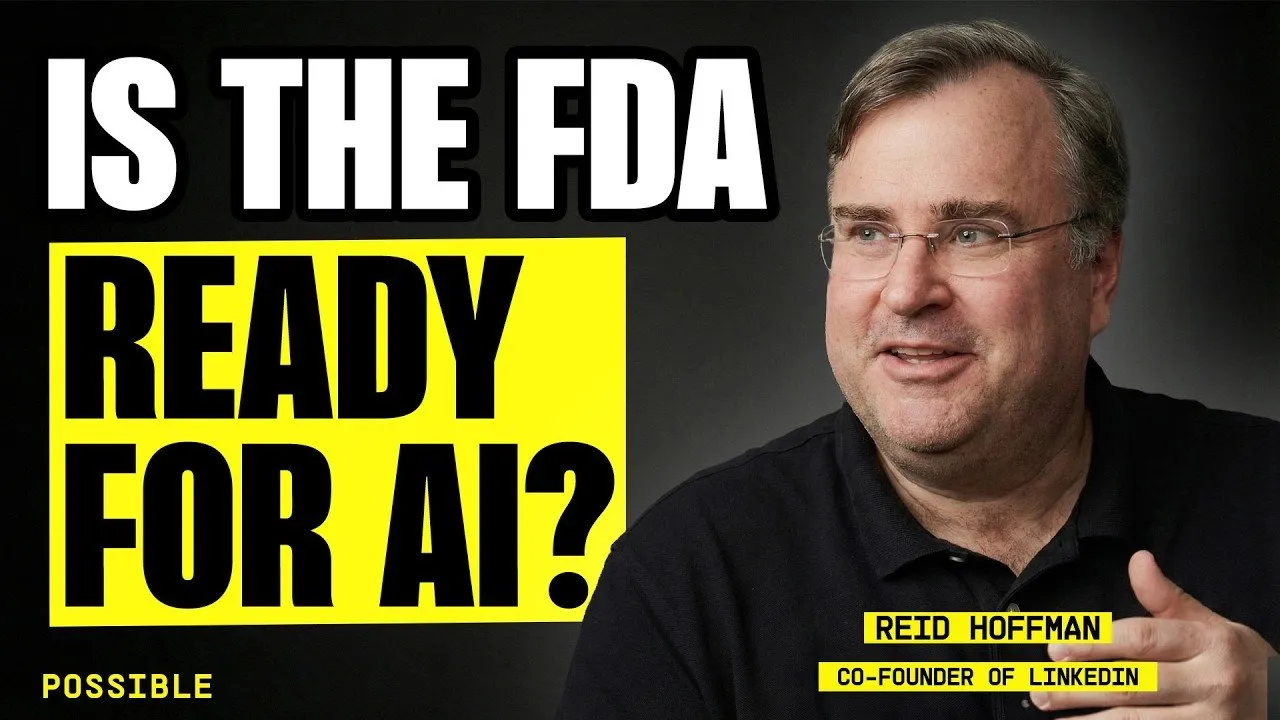
- Regulatory Bottlenecks: The primary obstacle to AI-driven medical cures is not the technology itself, but the regulatory frameworks of the FDA and the length of clinical trial processes.
- The Danger of "Pre-Obeying": Media organizations are increasingly engaging in self-censorship to avoid potential government retribution, a phenomenon that threatens the constitutional foundations of free speech and assembly.
The Resilience of Established Tech Ecosystems
For years, pundits have predicted the decline of traditional tech and finance hubs. Figures like David Sacks have argued that Miami and Austin would eventually replace New York and San Francisco as the primary capitals of finance and technology. However, data from Silicon Valley Bank indicates that San Francisco remains the only city showing consistent growth in the number of new venture-backed companies started. This discrepancy between the narrative of decline and the reality of growth is explained by the fundamental strength of network effects.
The Economic Graph of Innovation
Successful cities are not merely collections of buildings; they are complex economic graphs. These networks consist of specialized talent, accessible capital, and a shared knowledge base that compounds over time. When a founder moves to San Francisco, they are not just buying office space; they are plugging into a system designed for blitzscaling—the ability to achieve global scale at an accelerated pace. While founders can build successful companies like Shopify or Spotify outside these hubs by playing a "long game" and drawing from the knowledge base of Silicon Valley, the density of a primary hub remains the most efficient path for most startups.
Choosing the Right Network
For a new founder, the choice of location should be dictated by the specific industry they intend to disrupt. Starting a fashion brand in Silicon Valley or a pure-play tech company in a city without a developer ecosystem creates unnecessary friction. Success often depends on proximity to the industry's specific network. As Reed Hoffman notes, these ecosystems create a persistence that is difficult to replicate elsewhere:
"People who understand network effects understand how they have persistence, growth, compounding. That's one of the fundamental things about what made Silicon Valley Silicon Valley."
Manis AI and the Frontier of Biotech
The intersection of artificial intelligence and biology represents one of the most promising yet challenging frontiers in technology. While AI has become exponentially more efficient and cheaper, the biomedical field remains slow, heavily regulated, and prone to failure. The challenge lies in the transition from the world of "bits"—where code can be iterated instantly—to the world of "atoms," where biological systems are dynamic, complex, and unpredictable.
Moving Beyond Simulation
Many Silicon Valley approaches to pharma have stayed too long in the realm of software. Manis AI, a venture co-founded by Reed Hoffman and Siddhartha Mukherjee, seeks a middle ground by focusing on "biological atoms." Rather than relying solely on simulations that may hallucinate results, the goal is to use AI as a high-powered search engine for the right small molecules and therapeutic therapies. By integrating physics and chemistry knowledge—through partnerships with organizations like Schrodinger—AI can configure data sets that lead to actual human health outcomes rather than just theoretical models.
Can AI Outrun the FDA?
There is a growing optimism among AI researchers that the majority of human diseases could be cured within the next two decades. Technology is already reaching a point where AI-discovered and invented drugs are moving into the prototyping phase. However, the timeline for these cures reaching the public is less about the speed of the GPU and more about the speed of the bureaucracy.
The Regulatory Hurdle
The process of filing Investigational New Drug (IND) applications and navigating the multi-year cycles of clinical trials remains the primary anchor on medical progress. While AI can significantly reduce the "search" time for a cure, it cannot yet bypass the physical requirement of proving safety and efficacy in human subjects. Hoffman suggests that while the technology to solve most diseases is plausible, the "statistical trade" of navigating side effects versus life-saving outcomes is a hurdle that requires both technological and regulatory evolution.
Defending Free Speech in an Era of "Pre-Obeying"
A troubling trend has emerged in the media landscape where organizations self-censor in anticipation of government pressure. A recent incident involving CBS and The Late Show with Stephen Colbert highlighted this issue: the network initially hesitated to air an interview with a political candidate due to fears regarding the FCC’s equal time provisions. This "pre-obeying" is a hallmark of autocratic playbooks, where the goal is to create enough fear that organizations police themselves without the government having to take formal action.
The Responsibility of Leadership
When institutions act out of fear of retribution, they undermine the constitutional rights of free speech and assembly. Maintaining a healthy democracy requires leaders to show courage even when facing potential bullying from an administration. This is not a partisan issue; it is a fundamental American value. As the political landscape shifts toward the midterms, the volatility of these pressures is expected to increase, making the defense of the press and public discourse even more critical.
Conclusion
The future of global progress depends on our ability to leverage powerful technologies like AI while protecting the social and regulatory frameworks that allow innovation to flourish. Whether it is the persistence of tech hubs fueled by network effects, the revolutionary potential of AI in curing cancer, or the essential defense of free speech, the path forward requires a blend of technological optimism and civic courage. While the "world of atoms" may move slower than the "world of bits," the integration of the two offers the best hope for addressing the most pressing challenges of the 21st century.