Table of Contents
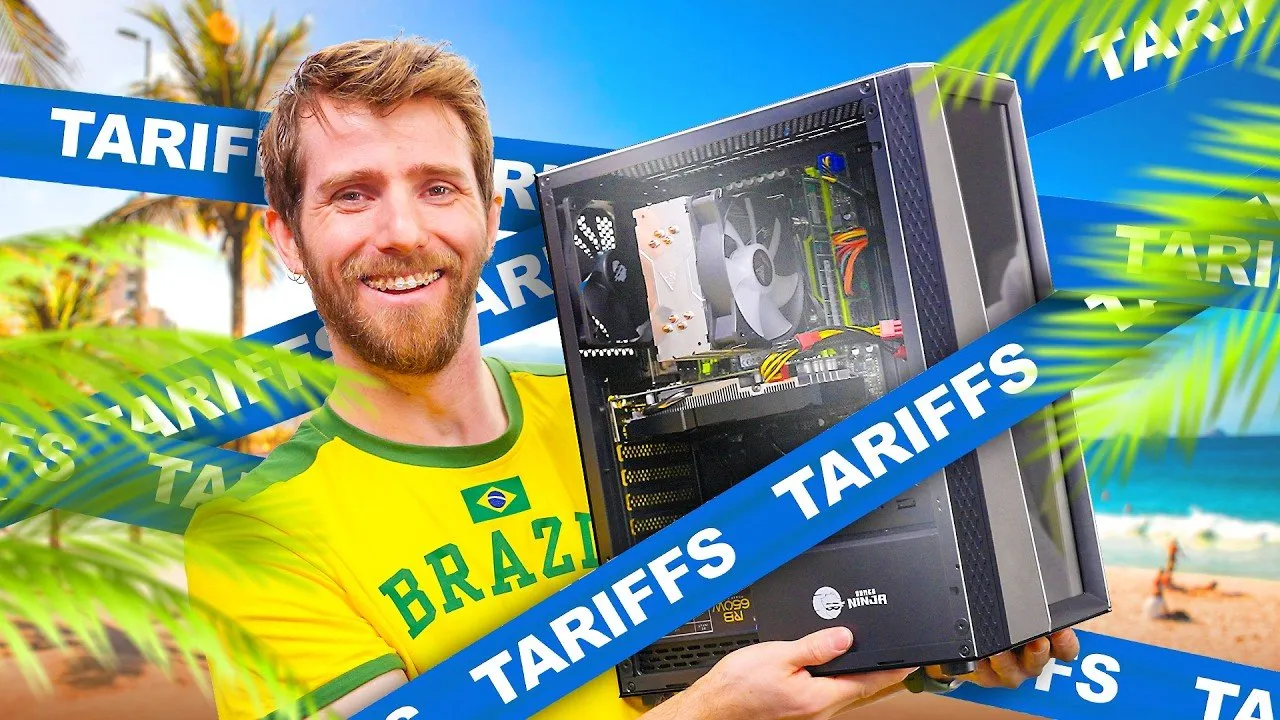
Navigating the global electronics market often reveals a stark divide between regions with open access to hardware and those burdened by heavy protectionist trade policies. In Brazil, consumers have long contended with import tariffs—some reaching as high as 93%—that have fundamentally reshaped the landscape for gaming enthusiasts. By examining two distinct PC builds sourced from the Brazilian market, observers can better understand how local "white label" branding, logistical workarounds, and the creative repurposing of server hardware serve as essential survival tools in a restrictive fiscal environment.
Key Points
- Regulatory Pressure: Brazilian import taxes on electronics can reach 93%, forcing a reliance on local assembly and unique supply chain workarounds to maintain affordability.
- White Label Dominance: Brands like SuperFrame operate by importing bulk components—such as motherboards—and performing final assembly locally to qualify for critical tax exemptions.
- The Second-Hand Ecosystem: Due to extreme pricing, consumers often turn to the "gray market," utilizing retired server motherboards and older CPUs, such as budget Xeon chips, to achieve usable performance for a fraction of the cost.
- Financing as Standard: In Brazil, high hardware costs have normalized the "buy now, pay later" model for even modest consumer goods, making long-term installment plans a standard aspect of "adulting."
The Brazilian Workaround: Logistics and Local Assembly
For the average Brazilian gamer, acquiring high-end components is often prohibitively expensive due to cumulative taxation. To mitigate these costs, local entities have developed sophisticated supply chain strategies. Companies often import semi-finished components in bulk to perform final assembly within specialized zones that offer significant tax incentives. This process allows consumers to access modern, functional hardware without paying the full premium associated with direct international imports.
This market reality has created a unique ecosystem where brands like SuperFrame thrive by rebranding bulk-purchased motherboards from major manufacturers. Furthermore, because high-end chips are difficult to price and move across borders, manufacturers occasionally release specific, regionalized versions of popular CPUs—some featuring 3D V-Cache technology—to keep products accessible while preventing "gray market" resellers from exporting these chips to more affluent markets.
"This workaround allows some reasonably modern tech to be legally made in Brazil, resulting in pricing that's somewhat close to what you might pay elsewhere," according to reports on regional hardware procurement.
The Economics of Budget Computing
When legal workarounds still prove too costly, many users turn to extreme budget solutions. A popular method involves harvesting chipsets from retired server motherboards and pairing them with older Xeon processors. Through BIOS modifications, these platforms can support modern features like M.2 SSDs, allowing users to build functional gaming rigs for extremely low prices. However, these savings come with significant trade-offs in power efficiency, reliability, and component standardization.
The reliance on these budget parts—and the necessity of long-term installment payments—highlights a stark difference in consumer behavior compared to North American markets. As noted by those familiar with the local tech scene, the culture of purchasing electronics via installments is not merely a convenience but a necessity for most households, extending even to basic home appliances and office equipment.
Performance and Future Implications
Testing these systems reveals that while budget-conscious builds can handle popular esports titles, the performance gap between "entry-level" and "mid-range" Brazilian builds is significant. A system built with repurposed server parts may be capable of running games, but users frequently encounter bottlenecks caused by aging architecture, poor voltage regulation in budget power supplies, and inferior peripherals. For example, laboratory testing of imported budget power supplies often reveals that they fail to sustain their advertised wattage, posing risks to system stability.
As trade tensions fluctuate and global tariff strategies evolve, the Brazilian PC market serves as a practical case study for how consumers adapt when faced with protectionist economic policies. While these DIY and localized solutions provide a path to entry for gamers, they also underscore the fragility of a market where the cost of a modern GPU or a name-brand motherboard can represent a substantial portion of a household’s monthly income. Looking ahead, the rise of regional-exclusive hardware and the continued refinement of local assembly processes will likely remain the primary strategies for maintaining access to gaming technology in highly taxed economies.