Table of Contents
Warner Bros. Discovery has reopened high-stakes merger negotiations with Paramount Skydance following a critical seven-day waiver granted by Netflix, signaling a potential shift in the media landscape. As Hollywood giants battle for consolidation, the broader technology sector faces renewed volatility, with investors scrutinizing the sustainability of massive artificial intelligence capital expenditures ahead of upcoming earnings reports.
Key Points
- Media Wars: Warner Bros. Discovery enters a seven-day negotiation window with Paramount Skydance, pressuring Netflix to potentially sweeten its existing deal terms by February 23.
- EV Strategy: Ford unveils a "skunkworks" engineering strategy to launch a profitable $30,000 electric vehicle by 2027, targeting cost parity with Chinese competitors.
- AI Hardware: A looming "memory crisis" threatens to bottleneck AI compute growth, with analysts warning supply may not meet demand over the next two years.
- Defense Tech: SpaceX and xAI are reportedly competing in a secret Pentagon contest to develop voice-controlled autonomous drone swarms.
- Market Forecast: Barclays projects the "Physical AI" market—including robotics and autonomous vehicles—will reach $1 trillion by 2035.
Media Consolidation Heats Up
The entertainment industry is bracing for a pivotal week as Warner Bros. Discovery (WBD) re-engages with Paramount Skydance. The renewed talks were made possible after Netflix issued a limited seven-day waiver, set to expire on February 23. This window allows WBD to explore a sweetened offer from Paramount, which has hinted at raising its bid above the current $30 per share valuation.
According to Bloomberg reporting, the negotiations are driven by shareholder pressure and a desire to maximize value. Paramount has reportedly signaled a willingness to increase its offer to $31 per share, though analysts speculate a price closer to $32 or higher may be necessary to displace the current agreement with Netflix. Netflix retains the right to match any superior offer.
"Paramount has gradually increased more and more pressure, addressed more of the board’s concerns, and is now at a point where Warner Brothers Discovery feels both out of pressure from its shareholders... that they want to engage with Paramount for a week, see what happens."
Netflix has responded with a defensive strategy, arguing that a WBD-Paramount merger would face steeper regulatory hurdles and result in a debt-laden entity that could threaten industry jobs. In contrast, Netflix positions its own acquisition strategy as one that preserves employment by buying studio capacity it currently lacks.
AI Market Volatility and Infrastructure Constraints
Beyond Hollywood, the technology sector is grappling with anxiety regarding the sustainability of the artificial intelligence trade. The Nasdaq 100 and semiconductor indices have seen renewed selling as investors question whether the massive capital outlays by hyperscalers will yield proportionate returns. Bank of America’s latest fund manager survey indicates a record share of investors believe companies are overspending on AI infrastructure.
Experts are now identifying a critical bottleneck in the hardware supply chain: memory. While demand for compute power accelerates, the production of high-bandwidth memory required to support these systems is lagging.
"We have a huge memory problem. And I would almost put it at a crisis level where you’re not going to have enough memory to support this compute [for] the next two years. That’s a real issue out there."
Investors are looking to Nvidia’s upcoming earnings report for reassurance that the company has secured adequate memory supply to maintain its delivery schedules for the Blackwell and Rubin architectures.
Automotive and Robotics Innovation
Ford’s Strategic Pivot
In the automotive sector, Ford is aggressively restructuring its electric vehicle (EV) approach to compete with low-cost Chinese manufacturers. Following a $19.5 billion overhaul of its EV business, the company has established a California-based engineering team led by former Tesla executives. The unit’s mandate is to engineer a vehicle platform that is profitable at a $30,000 price point.
The new platform, scheduled to debut in a pickup truck in 2027, utilizes advanced engineering to reduce battery size while extending range by approximately 50 miles. Ford also plans to introduce Level 3 autonomous driving features by 2028, aiming to bring high-end technology to mass-market vehicles.
The Rise of Physical AI
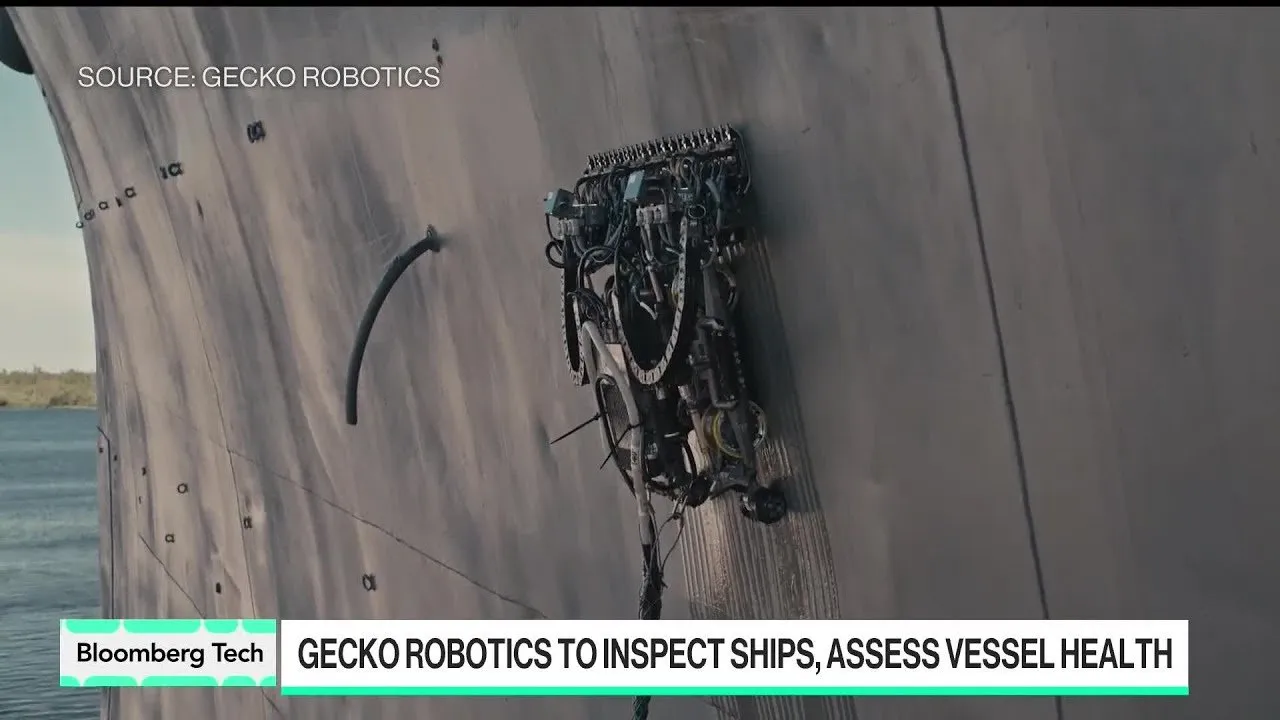
A new report from Barclays forecasts that "Physical AI"—the convergence of robotics, autonomous driving, and advanced automation—will grow into a $1 trillion market by 2035. This valuation represents a tenfold increase from current levels. However, the report highlights a significant geopolitical disparity: China currently dominates the deployment of humanoid robots, accounting for 85% of global sales in 2025.
The primary barrier to scaling humanoid robotics remains the lack of "physical AI data." Unlike large language models trained on digital text, robots require precise physical interaction data—force application, friction, and weight management—which must be built from scratch to function reliably in the real world.
Defense and Venture Capital Developments
The intersection of commercial technology and national defense continues to deepen. Sources indicate that Elon Musk’s companies, SpaceX and xAI, are participating in a classified Pentagon competition to develop autonomous drone swarming technology. The program seeks to create systems capable of translating voice commands into complex, coordinated drone maneuvers for combat scenarios. This move marks a significant shift for the companies, which are now actively hiring personnel with top-secret security clearances.
Simultaneously, Thrive Capital has closed a massive $10 billion fund, signaling continued robust appetite for venture investment. The firm is directing capital toward critical infrastructure, including Mesh Optical Technologies. Founded by SpaceX alumni, Mesh is developing optical interconnects for GPU clusters with the explicit goal of moving the manufacturing supply chain from Asia to the United States.
"There is a big vulnerability in the supply chain with regard to optics... Standing up a secure supply chain outside of Asia and China specifically, really helps us leverage our product into these data centers."
Looking Ahead
Market attention now turns to February 23, the deadline for Warner Bros. Discovery to conclude its exclusive talks with Paramount. Simultaneously, the technology sector awaits Nvidia’s earnings next Wednesday, which are expected to either validate the current AI spending trajectory or deepen concerns regarding infrastructure bottlenecks. Apple is also slated to hold a multi-city launch event on March 4, expected to reveal a low-cost MacBook aimed at the education market.