Table of Contents
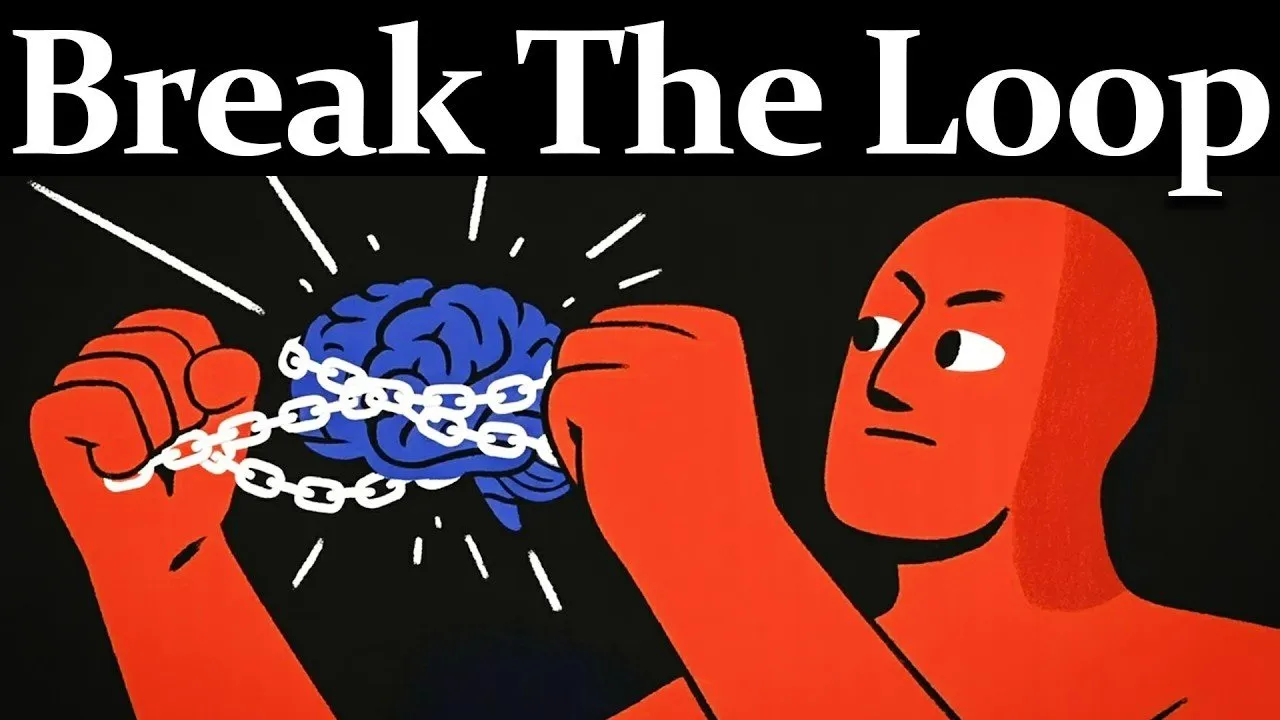
Feeling stuck is a universal experience, but for some, the feeling persists for years, manifesting as a deep, unshakable sense of stagnation. Whether it is a plateau in your career, a lack of progress in personal growth, or an inability to achieve financial independence, the core of the issue often lies not in your external circumstances, but in the internal patterns you have spent a lifetime perfecting. By identifying these invisible roadblocks, you can finally shift from a state of resistance to one of genuine transformation.
Key Takeaways
- Identify the Pattern: Persistent stagnation often mirrors childhood dynamics where you learned to resist authority figures as a way of seeking autonomy.
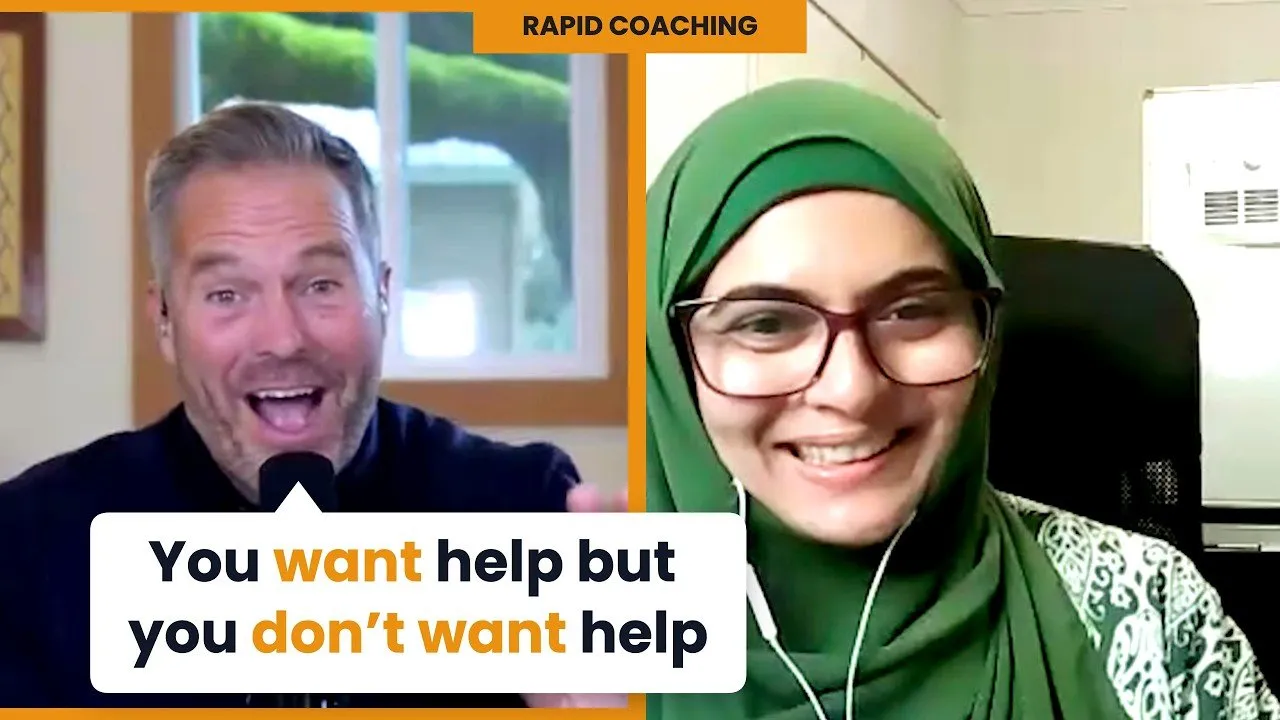
- The Paradox of Resistance: Many people ask for help while subconsciously sabotaging the very guidance they seek, creating an internal loop of confusion.
- Shift Your Relational Model: By moving away from a "struggle" dynamic and toward a model of receiving and giving, you open yourself up to growth.
- Focus on Integration: True progress comes from shifting your everyday interactions, rather than relying on quick fixes or external saviors.
The Anatomy of Stagnation
When you feel stuck for a decade, it is rarely due to a lack of effort. Often, the individual is trying too hard. In coaching, this is frequently revealed as a double-bind: a conscious desire for progress and a subconscious commitment to the safety of the status quo. This manifests as "confusion"—a mental fog that serves as a shield against actually receiving the help or direction that would force change.
Recognizing the Resistance
Resistance is rarely obvious to the person experiencing it. It often appears as an external conflict, such as "hiring the wrong person" for marketing or feeling like you cannot find a mentor who actually helps. However, when these patterns repeat across different areas of life, they suggest a template. You may be unknowingly re-enacting a dynamic from your past, such as a relationship with a parent, where you learned that resisting guidance was the only way to assert your individuality.
The pattern is, I'm resisting though I'm trying to get your love. I'm trying to get it, but I'm resisting it. That's the friction.
The Cost of Relational Loops
Many of us carry "games" we learned in childhood. If your early life involved a parent who was overly intrusive or controlling, you might have developed a default setting of resistance. As an adult, you carry this into your professional life, viewing coaches, business partners, and even the universe through the same lens. You ask for help, but as soon as it arrives, you unconsciously push it away because, to your subconscious, accepting help feels like surrendering your agency.
Breaking the Cycle with Your Internal Narrative
To move forward, you must address the underlying belief that seeking help equals losing control. When you realize that the marketers, the coaches, and the universe are not extensions of a controlling parent, the need to resist fades. You stop "trying" to move forward and start allowing the natural flow of giving and receiving to take hold. This change is not about willpower; it is about changing the relationship you have with your own need for validation.
You want to play this game? With the marketing people, with me, with God? Or do you want to play the game your dad taught you?
Moving Beyond the Intellectual Answer
Intellectualizing your problems is another form of resistance. We often talk about our issues—"I have ADHD," "I need marketing," "I need to help my parents"—to avoid feeling the underlying pain or fear that drives the stagnation. True transformation occurs when you move from "understanding" the problem in your head to "feeling" the shift in your heart.
Embracing Grace and Provision
Consider the metaphor of a bird in nature. It must take flight to find food, yet the provision itself is provided by forces beyond its control. Your role is not to manufacture the outcome or to force the door open through sheer exhaustion; your role is to show up, do your part, and remain open to receiving. When you stop fighting the process, you create space for the support you have been craving all along.
Conclusion: Choosing a New Way of Relating
Stagnation is not a permanent state; it is a signal that your internal operating system is outdated. By recognizing that you are re-enacting old relationship patterns with your current goals, you gain the power to choose differently. You do not need anyone’s permission to succeed, and you do not need to resist the help that is being offered. When you shift your focus toward building loving, authentic relationships—with others and with yourself—the friction disappears, and the path forward becomes clear.