Table of Contents
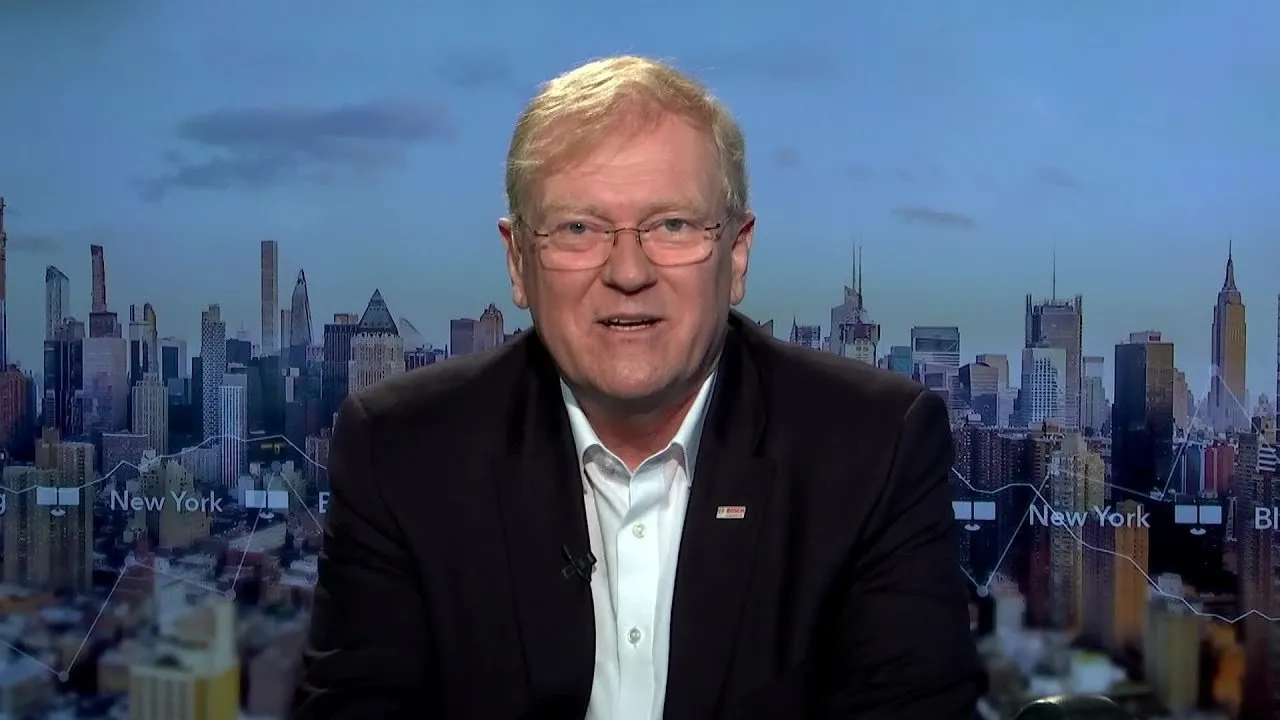
Bosch CEO Stefan Hartung recently assessed the global impact of geopolitical instability in the Middle East, describing the situation as a “stress test” for global supply chains. While the conflict in the Gulf region has introduced mid-term uncertainties, the industrial leader maintains that supply chains—which had largely stabilized entering 2024—remain resilient. Dr. Hartung emphasized that while air freight capacity faces temporary constraints, the company is prioritizing long-term technological integration over reactive short-term adjustments.
Key Points
- Geopolitical Resilience: Bosch reports that while regional operations in the Middle East are navigating localized disruptions, the company’s broader global supply chain remains stable following earlier semiconductor-related challenges.
- Supply Chain Dynamics: Dr. Hartung dismissed concerns of panic, noting that the industry has learned to navigate volatility more effectively than during the peak of the pandemic-era chip crises.
- The AI-Component Tug-of-War: A significant industry bottleneck is emerging as the massive global demand for AI infrastructure competes with automotive and industrial sectors for high-end memory components like DDR5 and DDR6 RAM.
- Shift in EV Strategy: Bosch identifies a market pivot toward hybrid and plug-in hybrid vehicles, driven by consumer sensitivity to fuel prices and a growing preference for vehicles that balance electrical range with traditional combustion utility.
Assessing Supply Chain and Logistics Constraints
As the conflict in the Gulf impacts regional travel and freight movement, businesses are facing questions regarding the absorption of higher logistics costs. Dr. Hartung noted that while air cargo capacity has tightened due to altered flight paths and availability, the company is leveraging digital communication and refined logistics strategies to mitigate these bottlenecks.
“The cost will be impacted, but to upload it into the price is something which you will have to do more looking at mid-term. There is extra freight cost and those kind of things for many people now in place, but that's something the industry has learned to deal with.” — Dr. Stefan Hartung, CEO of Bosch
From an operational standpoint, Bosch continues to monitor the safety and continuity of its regional workforce in the UAE and surrounding areas. However, the CEO emphasized that the company’s primary focus remains on the “long-term aspects of business” rather than immediate geopolitical noise, citing the rapid evolution of vehicle technology as the more significant factor currently shaping their industrial strategy.
Market Shifts: The Rise of Hybrid Vehicles
Despite previous expectations for a rapid, uniform adoption of pure battery electric vehicles (EVs), Dr. Hartung observes that the market is currently favoring a more nuanced approach. Consumer behavior, influenced by fluctuating gasoline prices and range requirements, has increased demand for plug-in hybrids and vehicles equipped with range-extender technology.
Bosch is positioning itself to capitalize on this shift by maintaining its ICE (internal combustion engine) capabilities while simultaneously scaling electric drivetrain solutions. This dual-track strategy aims to provide the “optimal solution” for consumers who require the flexibility of traditional engines for heavy usage or long-distance travel, but desire the efficiency of electrification for daily commuting.
Technological Competition and AI Infrastructure
The conversation surrounding semiconductor supply has evolved from the generic chip shortages of 2020 to a more specialized competition for memory bandwidth. As AI infrastructure scales, the surging demand for high-capacity RAM is creating a complex ecosystem where data centers and automotive manufacturers vie for the same silicon resources.
Dr. Hartung highlighted that this is not merely a supply issue but a balancing act of innovation. Automotive manufacturers are increasingly implementing AI-driven safety features, such as advanced accident prevention and assisted driving systems, which require the same high-performance components as modern data centers. While some components remain tight, the CEO remains optimistic about the company's trajectory, noting that the focus on “better assisted driving” is essential to improving overall road safety compared to human-only navigation.
Looking ahead, Bosch expects to maintain its current production outlook for the year. The company will continue to monitor the evolution of regional conflicts while concentrating on the regional nuances of demand—notably the distinct market requirements in India, China, and the United States—as it executes its product roadmap for the next generation of vehicles.