Table of Contents
Block Inc. recently initiated a workforce reduction, sparking a debate over "AI washing"—the practice of using artificial intelligence as a justification for layoffs actually necessitated by post-pandemic overhiring and market volatility. CEO Jack Dorsey framed the move as a step toward operational efficiency, suggesting that the fintech firm is trailing behind a broader industry trend of streamlining through technology.
Key Points
- Block Inc. joins a growing list of tech firms streamlining operations, with Dorsey suggesting his timing is "late" rather than early in a broader industry trend.
- Industry analysts warn of "AI washing," where companies attribute job cuts to technological efficiency to mask financial underperformance or previous hiring errors.
- A Forrester forecast predicts AI and automation will displace 10 million U.S. jobs (approximately 6.1% of the workforce) by 2030.
- The demand for junior software developers is cooling as firms prioritize high-level AI experts capable of driving elusive returns on investment.
Efficiency vs. Scapegoating
The term "AI washing" has gained traction as tech companies attempt to pivot their narratives from cost-cutting to innovation. By attributing layoffs to the productivity gains of artificial intelligence, firms can appear more innovative and in control to shareholders. However, market data suggests more traditional financial pressures are at play. Block, for instance, remains down 75% from its record high, and like many in the sector, the company aggressively overhired during the COVID-19 pandemic.
The transition toward AI-generated code has fundamentally changed the economics of software development. While Amazon and other tech giants have collectively shed tens of thousands of roles in recent months, the focus is shifting away from the "war for talent" that defined the last decade. The current market shows a significant decline in opportunities for junior talent, as entry-level coding tasks are increasingly automated.
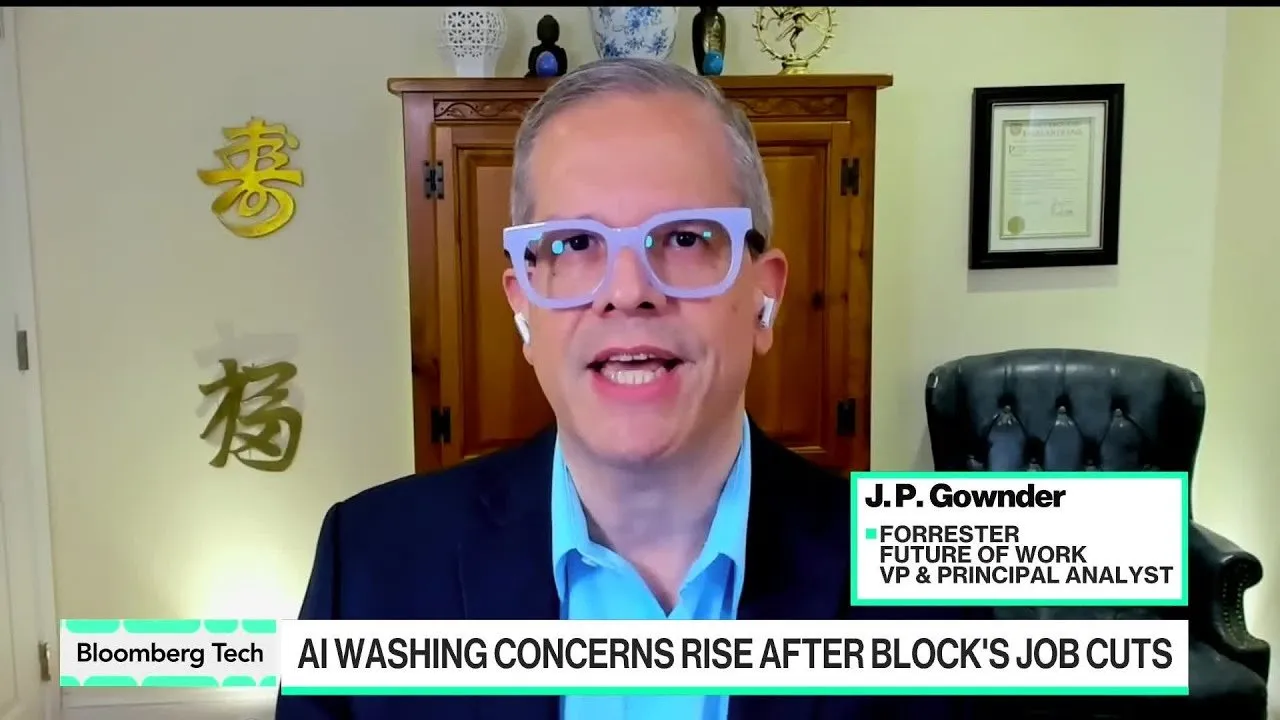
"AI washing is incredibly pervasive right now. After all, if you lay people off and you say, well, we've just become so much more productive because of AI, it makes you sound innovative. It makes you sound in control," noted a Forrester analyst.
The Shift in Tech Talent Requirements
While automation replaces certain functions, a new "war for talent" is emerging for specialists who can bridge the gap between frontier models and business value. Companies are currently fighting over leading-edge AI experts and those adept at "agentic AI"—systems capable of performing complex tasks with minimal human intervention. This shift has left highly qualified junior developers struggling to find the first rung on their career ladders.
The Search for ROI
Despite the aggressive hiring of AI specialists, tangible financial results remain rare. According to a recent study from MIT, 95% of companies have yet to see a measurable return on investment (ROI) from their AI initiatives. This disconnect between investment and profit is driving a "sober look" at how technology is integrated into the workforce.
Assessing the Macroeconomic Impact
The anxiety surrounding a "dystopian" future of mass unemployment continues to grow, but current forecasts suggest a more nuanced outcome. Forrester predicts that while AI and automation will eliminate 10 million jobs by 2030, the technology is more likely to augment existing roles rather than replace them entirely. The 6.1% reduction in the total U.S. workforce represents significant human impact but falls short of the "apocalypse" predicted by some industry observers.
"It will have an impact. 10 million jobs is not nothing, but it is hardly the apocalypse. We believe that usually AI is augmenting rather than effectively replacing people," the Forrester report states.
As the industry moves toward more agentic systems, the skills required for the modern workforce continue to evolve. While "prompt engineering" was the buzzword of the previous year, the focus is now shifting toward the management of AI agents. Moving forward, the success of firms like Block will likely depend on their ability to demonstrate that these job cuts actually lead to the technological breakthroughs they have promised to investors.