Table of Contents
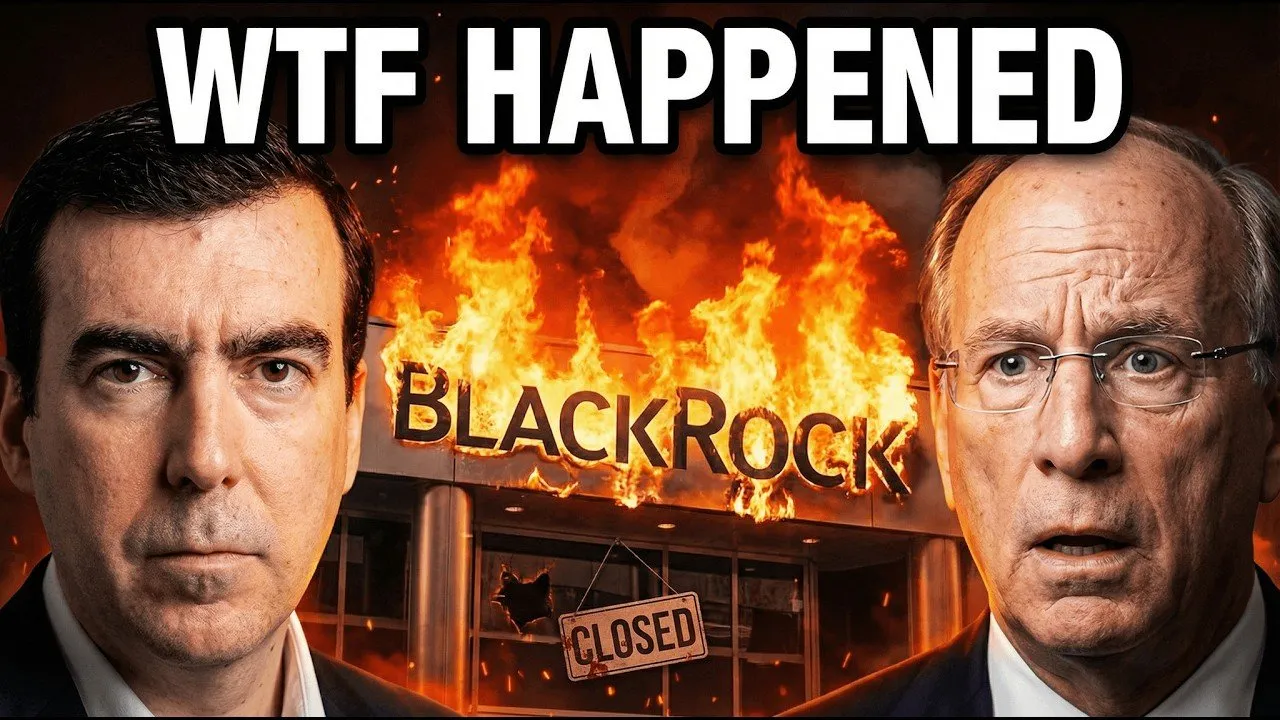
BlackRock, the world’s largest asset manager, has marked down a private credit loan to zero, signaling a complete loss on the investment. This sudden write-down—coming just three months after the loan was valued at full price—highlights growing concerns regarding the stability of the private credit market and the potential for a broader contagion of corporate defaults as economic pressures mount.
Key Points
- Full Write-Down: A previously fully valued loan within a BlackRock private credit portfolio has been devalued to zero, representing a 100% loss.
- Valuation Lags: Analysts point to a dangerous lag between the deteriorating financial health of underlying private companies and their recorded valuations on fund books.
- Economic Headwinds: Weakening labor market data, including a rise in continued unemployment claims and stagnant productivity, suggests that more defaults are likely in the near term.
- Systemic Risk: The decline in corporate productivity and rising delinquency rates on consumer credit suggest that the private credit sector may be the first domino to fall in a broader economic slowdown.
The Hidden Risks of Private Credit
The recent devaluation underscores a persistent issue within the private credit sector: the lack of transparency and the delayed recognition of losses. Unlike publicly traded bonds, which are marked to market daily, private loans are often held at par value until a significant credit event—such as a bankruptcy or failed refinancing—forces a markdown. Industry observers argue that many managers continue to value these assets at full price even as the issuing companies face drying cash flows and shrinking margins.
BlackRock TCP, a division within the firm, has noted that 91% of valuation adjustments across its portfolio are tied to deals underwritten in 2021 or earlier. These older loans, now grappling with sustained higher interest rates, have seen performance collapse as the companies behind them struggle to service debt. The firm recently reported a 19% net asset value (NAV) haircut in one quarter, largely driven by a small cluster of these legacy deals.
Labor Market and Economic Implications
The distress in the private credit market does not exist in a vacuum; it is mirrored by an increasingly fragile labor market. While initial unemployment claims remain relatively stable, continued claims have reached their highest levels of the year, hitting 1.87 million. Furthermore, recent data indicates that hiring plans have plummeted, with February figures down 63% compared to the previous year.
"If productivity drops like it did going into the last three recessions, the unemployment rate is going to rise. This is showing that if demand continues to weaken, employers will be forced to shed workers, and more private credit loans will blow up."
The correlation between labor productivity and economic health provides a grim outlook. Productivity, measured as output per hour, has shown signs of slowing, suggesting that demand is not keeping pace with corporate expectations. When productivity fails to hold, firms typically resort to layoffs to protect margins. This creates a feedback loop: lower employment leads to reduced consumer spending, which in turn leads to lower corporate revenues and further defaults on high-interest private debt.
Market Outlook and Potential Contagion
The ripple effects of these defaults are beginning to weigh on financial sectors. Analysts have observed an tightening correlation between bank stocks and private credit ETFs, suggesting that equity markets are beginning to price in the risk of loan losses spreading to broader lending institutions. Tech stocks, which have seen significant retail investment recently, are also viewed as vulnerable should the private credit crisis trigger a wider deleveraging event.
Moving forward, the primary focus for investors remains the interplay between interest rates and corporate debt capacity. With unit labor costs rising and consumer delinquency rates on credit cards trending upward, the margin for error for highly leveraged companies is evaporating. As economic conditions soften, the market is expected to see a shift in defensive positioning, with capital flows moving away from speculative tech and discretionary sectors toward utilities and consumer staples, as market participants prepare for further volatility in the credit landscape.