Table of Contents
The Impending Quantum Threat to Bitcoin
Quantum computing represents a significant long-term challenge for the cryptocurrency industry, with the potential to render current encryption methods obsolete. As researchers estimate that a sufficiently powerful quantum computer could eventually compromise the security of Bitcoin wallets, the community has taken a formal step toward mitigation by adding BIP 360—a proposal for quantum-resistant addresses—to the official Bitcoin technical roadmap.
Key Points
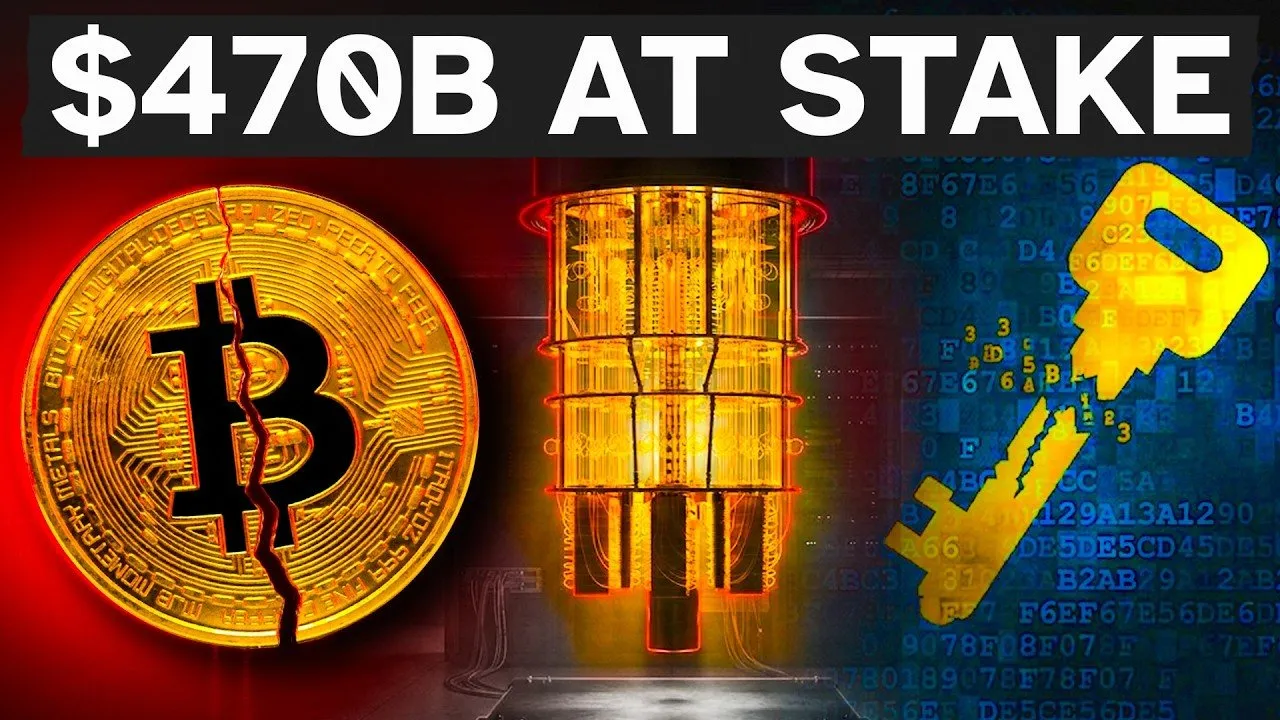
- Quantum Vulnerability: Future quantum computers could theoretically use Shor’s algorithm to derive private keys from public keys, potentially exposing approximately $470 billion worth of Bitcoin currently held in vulnerable addresses.
- The Role of BIP 360: This new proposal introduces Pay to Merkel Route (P2MR) addresses, designed to eliminate the "key path" exposure inherent in some modern transaction types.
- Timeline Constraints: Experts suggest that full quantum readiness could take up to seven years to implement, given the methodical nature of Bitcoin’s decentralized consensus and upgrade process.
- Institutional Perspective: While the National Institute for Standards and Technology (NIST) and various industry analysts do not view the threat as imminent, they advocate for a proactive migration to post-quantum cryptographic standards by 2035.
Understanding the Quantum Risk
While quantum computing promises breakthroughs in fields like medicine and climate science, its ability to process complex calculations exponentially faster than classical computers poses a specific risk to elliptic curve cryptography (ECC). Bitcoin’s security architecture relies on two primary cryptographic pillars: SHA-256 (used for mining) and ECC (used for wallets). While hashing algorithms remain largely resistant to quantum attacks, the public-key infrastructure underpinning wallets is the primary concern.
The introduction of Taproot in 2021, while beneficial for privacy and efficiency, inadvertently increased the exposure of public keys. Previously, many Bitcoin addresses kept public keys hidden behind a hash until funds were spent. Taproot standardized a more accessible way to interact with the blockchain, which can result in public keys being exposed on-chain as soon as funds are received. According to data from Project 11, approximately 6.87 million BTC currently reside in wallets with exposed public keys, creating a target for future quantum-enabled actors.
Strategic Mitigation: BIP 360 and Beyond
The proposal known as BIP 360, authored by a developer using the pseudonym Hunter Beast, offers a conservative, low-risk approach to enhancing quantum resistance. By replacing vulnerable spending paths with the new P2MR address format, the protocol aims to prevent the permanent exposure of public keys. However, developers emphasize that this is merely a foundational step.
"I think quantum readiness is the right balance. Not like there is any current risk, nor likely for this decade or probably the next, but being ready is okay," stated Blockstream CEO Adam Back regarding the long-term nature of the threat.
Beyond BIP 360, other mitigation strategies are under consideration to protect the ecosystem:
- Hourglass: A proposed "damage control" mechanism that would throttle the movement of vulnerable coins, forcing a slow-motion scenario that prevents mass theft in a single block.
- Sphinx Plus: A hash-based signature scheme widely considered one of the strongest candidates for post-quantum security, though its integration would require significant protocol changes.
- Hybrid Schemes: Combining existing Schnorr signatures with new quantum-resistant layers to provide a bridge for the network.
The Path to Quantum Readiness
The consensus among the developer community remains that there is no immediate "Qday"—the day quantum computers become powerful enough to break Bitcoin’s encryption. However, the lengthy nature of Bitcoin’s upgrade cycle necessitates that work begins well in advance. Because the network is decentralized, any transition to quantum-resistant standards relies on broad adoption by wallets, custodians, and exchanges.
Moving forward, users can take immediate, proactive steps to secure their holdings. The most effective measure remains avoiding address reuse, which keeps public keys off the blockchain as much as possible. As the ecosystem matures and BIP 360 moves through the testing and review phases, the focus will shift toward a gradual transition, ensuring that Bitcoin’s core value proposition—as a secure, decentralized store of value—remains intact against the emergence of next-generation computing power.