Table of Contents
Global market anxiety remains elevated as investors pivot their focus from artificial intelligence hype toward the volatile situation in the Strait of Hormuz. While concerns regarding potential supply chain disruptions have pushed Brent crude oil toward the mid-$80 range, financial markets—including the S&P 500 and Bitcoin—are showing signs of resilience rather than panic, prompting traders to evaluate whether current price levels represent a bottom or a temporary relief rally.
Key Points
- Oil Market Pressure: Brent crude is hovering near $84 per barrel as geopolitical tensions in the Middle East heighten fears over shipping blockades.
- Volatility Indicators: The VIX index, often used to gauge market fear, suggests that spikes around the 28-29 level have historically preceded near-term market bounces.
- Institutional Adoption: Despite broader economic uncertainties, major institutional moves—such as Kraken securing a Federal Reserve master account and Morgan Stanley filing for a Bitcoin ETF—signal long-term bullish sentiment.
- Short Squeeze Potential: Significant negative funding rates across crypto markets, combined with MicroStrategy remaining one of the most heavily shorted stocks, indicate high potential for volatility-driven price surges.
The Geopolitical Impact on Global Trade
The Strait of Hormuz has emerged as the focal point for global market participants, replacing the recent preoccupation with AI-driven tech stocks. As threats to energy security intensify, the market is closely watching the response from U.S. and allied naval forces. While "doomer" narratives regarding a total collapse of energy supplies have proliferated, professional market analysts maintain a more tempered outlook.
According to recent reports, the intensity of ballistic missile and drone activity from Iran has declined significantly, leading some analysts to suggest that the current conflict may reach a resolution before the end of the first quarter. This stabilization is critical for the energy markets, where prices have trended upward since January. While high oil prices pose a risk to broader economic growth, the current lack of a "doomsday" valuation in the S&P 500 futures suggests that the market is currently pricing in a manageable disruption rather than a systemic energy crisis.
Bitcoin and Institutional Resilience
For Bitcoin holders, the narrative has shifted from speculative volatility to structural institutional integration. Even as short-term traders grapple with price fluctuations, the "smart money" is increasingly focused on long-term infrastructure. The approval of institutional-grade financial tools, such as the Bank of New York Mellon acting as a custodian for new ETF filings, represents a paradigm shift that analysts believe will change the market's trajectory over the next 6 to 18 months.
"Feels like just another institutional adoption news day, but in reality, it's probably one of those days that changes the game again forever in Bitcoin's favor," noted one market commentator.
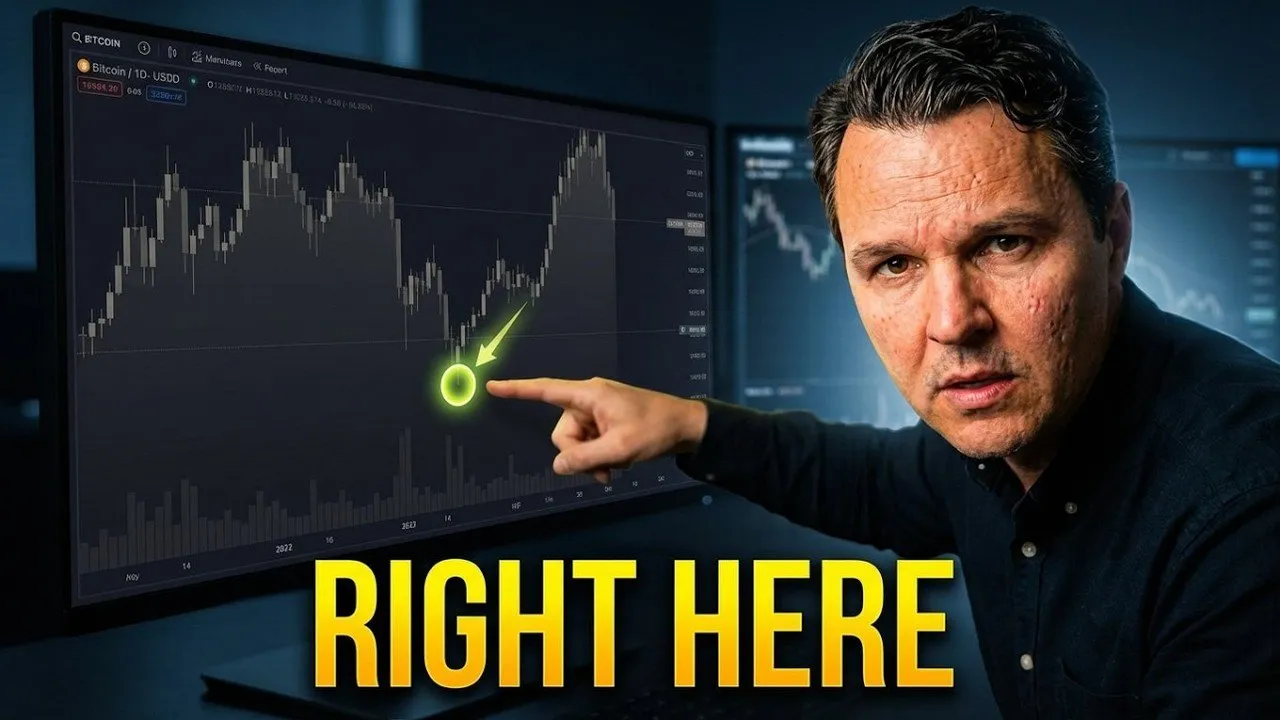
Technical analysis of Bitcoin suggests it is currently testing critical moving averages. Market participants are monitoring the 50-day EMA (Exponential Moving Average) closely; a decisive breakout above these levels, fueled by a potential short squeeze, could drive the asset toward the $78,000 to $82,000 range. Historically, when Bitcoin vs. gold ratios have bottomed approximately 14 months after a peak, it has initiated a multi-year period of sustained growth.
Investment Outlook and Market Strategy
As the business cycle potentially enters a heating phase—evidenced by rising ISM PMI manufacturing data—investors are recalibrating their portfolios to favor sectors that historically outperform during recovery periods. While tech stocks have faced a corrective period, the underlying momentum for AI-related data center plays and strategic crypto-adjacent equities remains robust.
The current market environment demands a disciplined approach to risk. For many, the focus remains on identifying favorable risk-to-reward ratios rather than attempting to time absolute tops or bottoms. With the VIX index signaling a potential cooling of volatility and a massive buildup of short positions across major assets, the coming weeks are expected to remain "spicy." Investors are advised to watch for signs of a sustained breakout above current resistance levels in the S&P 500 and to monitor institutional inflows as the primary indicator for the next major market move.