Table of Contents
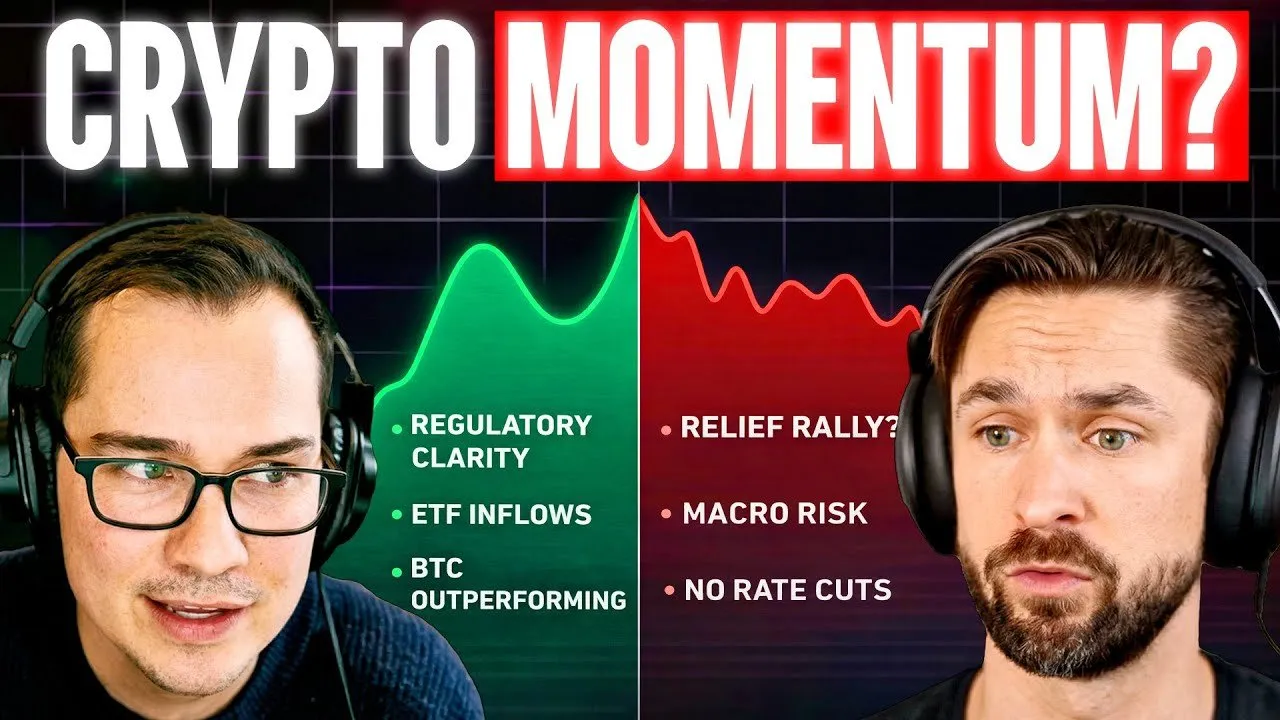
A stark divergence has emerged in global financial markets as Bitcoin faces significant sell-side pressure while precious metals surge to multi-year highs. Amidst geopolitical instability and renewed fears regarding the Federal Reserve's monetary policy, the crypto market is struggling to maintain critical support levels despite continued institutional accumulation. Simultaneously, the industry’s flagship legislative framework, known as the Clarity Act, appears to be collapsing due to intense lobbying from the traditional banking sector, leaving the regulatory future of digital assets in the United States uncertain.
Key Points
- Market Divergence: Bitcoin and Ethereum have hit multi-year lows against gold and silver, with the latter metals reaching fresh all-time highs driven by debasement fears.
- Legislative Gridlock: The "Clarity Act," a crucial market structure bill, is unlikely to pass this year following opposition from the banking lobby regarding stablecoin yields.
- Institutional Demand: MicroStrategy acquired an additional 22,305 Bitcoin, yet prices continued to slide, raising concerns about the depth of market liquidity.
- Macroeconomic Pressure: Rising yields in the Japanese bond market and uncertainties surrounding the next Federal Reserve Chair are contributing to risk-off sentiment.
- Technical Breakdown: Bitcoin risks closing its fourth consecutive negative month, a pattern not seen since the 2018 bear market.
The Great Asset Rotation: Crypto Falters as Metals Shine
The correlation between digital assets and traditional safe-haven assets has broken down significantly. While Bitcoin struggles to hold its yearly open levels, gold and silver have entered a parabolic phase. Analysts point to a combination of monetary debasement fears, central bank buying, and expectations of lower interest rates as the primary catalysts for the metals rally.
The disparity is evident in the charts: the Bitcoin-to-Gold ratio has dropped to its lowest level in three years, while the Ethereum-to-Silver ratio sits at a five-year low. This trend suggests a capital rotation where investors are seeking safety in tangible assets rather than digital stores of value.
Silver, in particular, has seen its fastest rate of appreciation since the 1970s. Beyond its role as a monetary hedge, silver is benefiting from a structural supply deficit and rising industrial demand, particularly in the solar energy and electronics sectors. Unlike gold, silver production cannot be easily ramped up, as it is primarily a byproduct of other mining operations, creating a supply squeeze during periods of high demand.
Regulatory Clarity "On Life Support"
Hopes for a comprehensive regulatory framework for the U.S. crypto industry have dimmed considerably. The market structure bill, often referred to as the Clarity Act, is facing a potential legislative death. The primary point of contention appears to be an amendment backed by the banking lobby that targets stablecoin yields.
The Banking Lobby's Stance
Reports indicate that traditional financial institutions are lobbying to restrict non-bank entities from offering yield on stablecoins. Banks currently benefit from a model where they pay minimal interest on customer deposits while earning significantly higher yields (3-4%) on U.S. Treasuries. The prospect of stablecoin issuers passing these yields directly to consumers poses a competitive threat to the traditional banking revenue model.
Despite attempts by industry leaders like Coinbase and Ripple to negotiate a compromise, the bill lacks bipartisan support. The Senate Agriculture Committee is moving forward with a markup, but without Democratic backing, the legislation is unlikely to advance on the Senate floor. With a looming government shutdown and the prioritization of housing legislation, the consensus view is that no significant crypto regulation will pass during this election year.
"It seems as if the Clarity Act is now 'NGMI' (Not Gonna Make It), unfortunately. The consensus view is it's not going to pass this year... there are just too many competing forces."
Institutional Liquidity and Market Structure
The fragility of the current crypto market structure was highlighted by MicroStrategy’s latest acquisition. The company, led by Michael Saylor, announced the purchase of over 22,000 Bitcoin. In previous cycles, such a massive buy-side event would typically trigger a price surge. However, following the announcement, Bitcoin’s price slid below $90,000.
This mute reaction suggests that current market liquidity is thin and heavily reliant on specific entities. If the ETF inflows stagnate—which they have, recording three consecutive days of outflows last week—the market lacks the diverse bid depth required to sustain upward momentum. Furthermore, technical indicators are flashing warning signs; if Bitcoin closes the month in the red, it would mark four straight months of decline, a bearish signal historically associated with the crypto winter of 2018.
Macroeconomic Headwinds and What's Next
Broader macroeconomic factors continue to exert pressure on risk assets. Volatility in the Japanese bond market, where the 40-year yield has hit record highs, is causing global dislocations. Additionally, speculation regarding the next Federal Reserve Chair has intensified, with Rick Rieder, BlackRock’s Chief Investment Officer of Global Fixed Income, emerging as a potential favorite according to prediction markets.
Looking ahead, the immediate focus turns to the Federal Open Market Committee (FOMC) meeting. While rates are expected to remain unchanged, investors will scrutinize the Federal Reserve's tone for indications of a dovish pivot or continued hawkishness. For the crypto market, holding the 100-week moving average is now critical to preventing a slide toward the $80,000 region.