Table of Contents
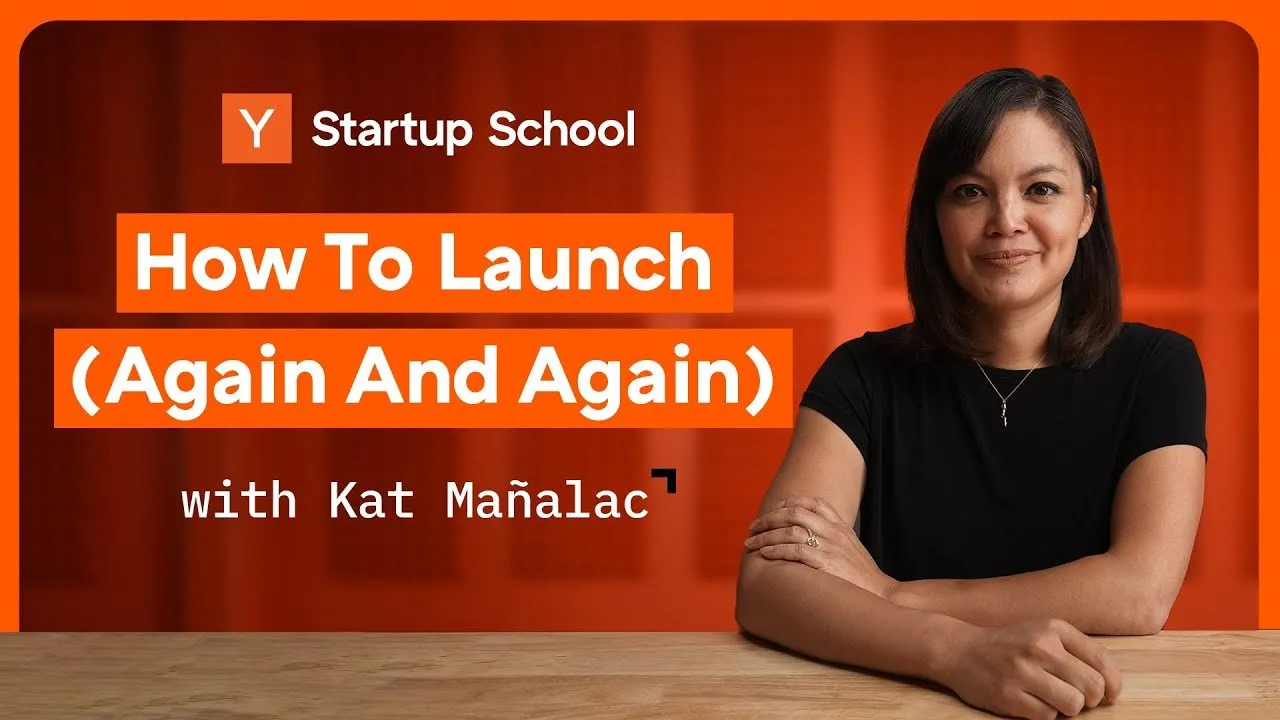
Most founders treat their startup launch like a make-or-break moment, spending months perfecting their product and messaging before going public. This approach often proves fatal for early-stage companies. The reality is simpler: launch early, launch often, and keep iterating until you find users who genuinely love what you're building.
Key Takeaways
- Launch as soon as possible - right now is probably the right time, even if your product feels unfinished
- Create a clear one-sentence company description that explains what you do, not why you do it
- Think of launching as a continuous process across multiple channels and communities
- Focus on making a few users really happy rather than trying to please everyone from day one
- Build your own community early through email lists and social channels to support future launches
When to Launch Your Startup
The answer to when you should launch is straightforward: as soon as possible. Most founders delay their launch because they believe in theoretical solutions to problems they think they understand. Putting your product in front of real users, even in its earliest and most unpolished state, reveals whether you're solving a problem people will actually pay for.
The Worst-Case Scenario Isn't That Bad
What happens if you launch too early? People might think your product looks ugly or doesn't work well. Investors might see it before you're ready. Competitors might notice what you're doing. Or worse - nobody cares at all.
These outcomes feel terrible but they're not reasons to give up. They're signals to iterate and launch again. Airbnb launched three times before they started gaining real traction. Each launch taught them something valuable about their market and product.
The Power of Early Advocates
Paul Buchheit, creator of Gmail and longtime Y Combinator partner, captured this principle perfectly:
It's better to make a few people really happy than to make a lot of people semi-happy.
Even ten users who absolutely love your product provide the foundation for growth. They'll tell you what works, what doesn't, and help you understand where to find more people like them. This core group becomes your early growth engine through word-of-mouth recommendations.
Crafting Your One-Sentence Company Description
Before you launch anywhere, you need a crystal-clear way to explain what you do. The best founders can explain complex concepts so simply that a five-year-old would understand. This clarity becomes essential for organic growth through word-of-mouth marketing.
Start with What, Not Why
Most people tell stories chronologically, starting with the problem they discovered and why it matters. This approach wastes precious time when you have someone's limited attention. Instead, lead with your company name and what you actually do.
Take Pave as an example. They could start with: "Many of my friends are super confused about their stock options and it stresses them out." Instead, their description gets straight to the point: "Pave lets companies plan, communicate and benchmark compensation in real time."
Avoid Meaningless Marketing Speak
Gary Tan identified meaningless jargon as the biggest issue he fights when helping startups. Descriptions like "IndieCloud is a know-how and synergy platform" contain zero useful information. Anyone listening should understand roughly what they'd need to build to recreate your product.
The X for Y Construction
While overused, the "Uber for X" format works in specific situations. You need three ingredients: X must be a household name, it should be clear why Y would want X, and Y should represent a huge market. Paisy describing themselves as "Stripe for former Soviet Union countries" works because everyone knows Stripe and understands why those countries need payment processing.
Types of Launches for Early-Stage Startups
Launching continuously through different channels helps you practice your pitch, test messaging, and reach different audiences. Each channel naturally attracts different types of users, giving you broader market feedback.
Silent Launch
Every startup should have a basic landing page during their earliest days. You need just four elements: your domain name, company name, short description, and a call to action. This might be signing up for a newsletter or joining a waitlist to hear about your launch.
Friends and Family Launch
Test your pitch and early product with people you know, but don't stay in this phase too long. Your friends and family likely aren't your ideal users, so their feedback has limited value compared to input from real potential customers.
Launching to Strangers
DoorDash provides a perfect example of launching to strangers early. The founders originally built tech for small business owners and spent time talking to store managers for feedback. One manager, Chloe, showed them a thick booklet full of delivery orders she couldn't fulfill because she had no drivers. After interviewing over 200 small business owners and hearing the same delivery pain points, they built their MVP in just a few hours.
Online Community Launches
Every founder should plan launches for communities they genuinely participate in. These launches feel lower-risk because you're presenting to friendly, engaged audiences who understand your space.
Hacker News offers "Show HN" where many successful companies got their start. Robin Hood launched there in December 2013 with a simple commission-free trading concept and just a waitlist signup. Someone randomly posted them on a Friday night, they hit number one, and gained 10,000 signups the first day and 50,000 within a week.
Alternative Launch Strategies
Social Media and Content Marketing
Building community through platforms like TikTok can create momentum before your official launch. Anja Health's founder Catherine Cross committed to posting regularly on TikTok and hit 10,000 followers in just one month, building awareness for their stem cell storage service.
Pre-order and Waitlist Campaigns
Hardware and physical product companies can use platforms like Kickstarter or Indiegogo for pre-order campaigns. However, there's more skepticism about crowdfunding now than five years ago, so research whether this approach fits your specific situation.
Waitlist launches work well for building anticipation, but convert people to actual users quickly. The longer people wait on your list without accessing your product, the harder conversion becomes.
Why Press Shouldn't Be Your Priority
Early-stage companies that haven't raised significant funding face enormous challenges landing press coverage. Even successful press stories don't provide scalable user growth or guarantee product-market fit. Press might help you reach some early users and investors, but it won't sustain your business long-term.
Instead, focus on building your own community through email lists and social media engagement. Every time you release new features or products, you'll have established channels to announce through. Stripe exemplifies this approach - they blog about new products, engage on Hacker News, spread word through social media, and pitch press for each launch.
Building a Sustainable Launch Strategy
Stop thinking about launching as a single moment in time. Treat it as an ongoing process where each launch teaches you something valuable about your market, product, and users. If your first launch gets no attention, follow Airbnb's example and launch again with improvements.
The companies that succeed long-term master the art of continuous launching. They build communities, refine their messaging, test different channels, and iterate based on user feedback. Your first launch is just the beginning of an ongoing conversation with your market.
Start building this muscle now. Create your landing page, write your one-sentence description, and pick your first launch channel. The sooner you start this process, the sooner you'll discover what resonates with real users and begin building the foundation for sustainable growth.