Table of Contents
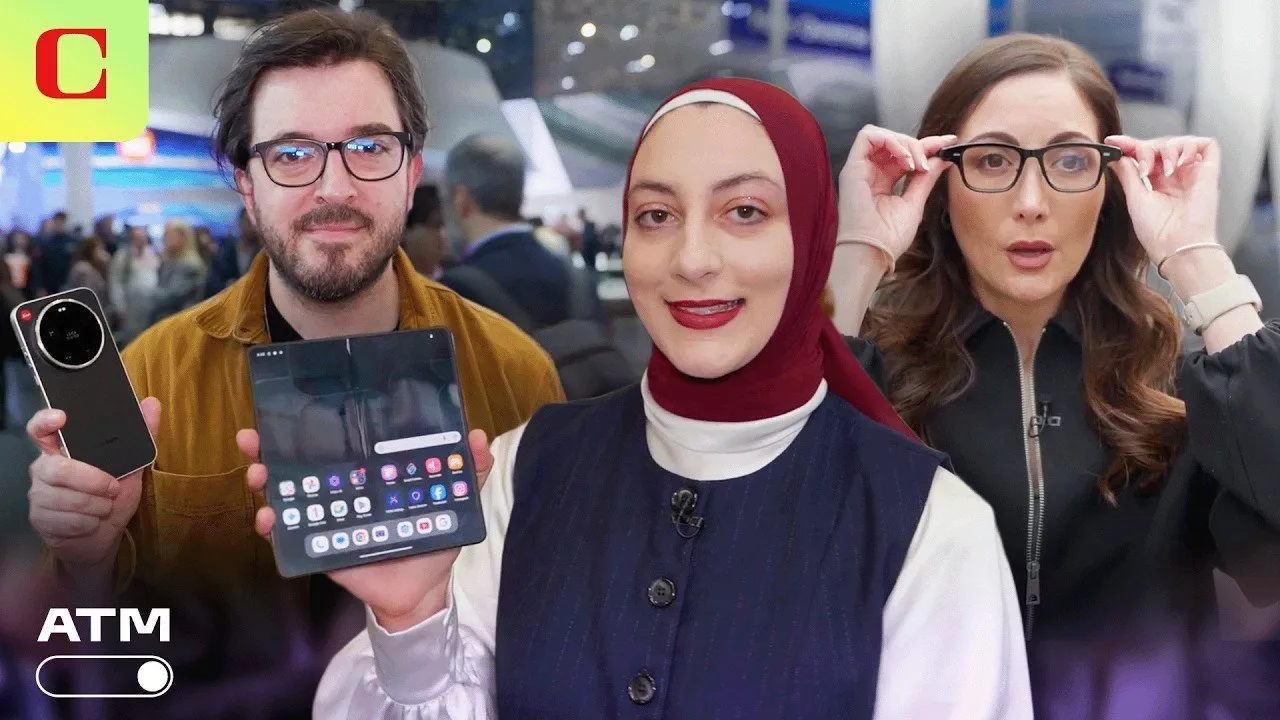
Mobile World Congress (MWC) 2026 has concluded in Barcelona, revealing a new wave of hardware that blends physical robotics, modular design, and advanced optical engineering. Industry experts at the event highlighted several standout devices that push the boundaries of current smartphone and wearable capabilities.
Key Highlights from MWC 2026
- Motorola Razr Fold: A record-thin foldable device at 4.6mm, housing a high-capacity 6,000mAh battery.
- Leica Leitz Phone by Xiaomi: A professional-grade camera phone featuring physical movable lens elements and a manual adjustment ring.
- Robot Phone: An innovative device that integrates robotic hardware directly into the phone’s body for automated content creation.
- Tecno Atom: A modular concept phone that utilizes magnetic attachments to expand battery life and camera capabilities on demand.
- Quen Smart Glasses S1: A user-friendly, waveguide-based smart glass headset designed for navigation and real-time translation.
The Evolution of Hardware and Optics
The show floor was dominated by a shift toward hardware-driven performance. The Leica Leitz Phone by Xiaomi emerged as a centerpiece for mobile photography, moving beyond software processing. By incorporating physically moving lens elements for its telephoto zoom and a tactile control ring, the device mimics the ergonomics of traditional Leica cameras. Powered by the latest Qualcomm Snapdragon processor, it balances high-end imaging with daily performance demands. Similarly, the Motorola Razr Fold addressed the persistent foldable device "trade-off" dilemma. By maintaining an ultra-slim 4.6mm profile while packing a 6,000mAh battery, the device signals that manufacturers are finding ways to integrate high-density power cells into increasingly thinner chassis designs.
AI and Robotics Integration
While artificial intelligence has largely been a software-first endeavor, MWC 2026 showcased the first meaningful integration of AI with physical robotics. The "Robot Phone" captures the interest of content creators by automating stabilization and tracking—functionality previously reserved for external hardware like a DJI Osmo.
"What really excites me about this phone is that so far, when we've seen AI integrated into smartphones, it's been a software solution, whereas this time we're actually seeing physical AI change the body of the phone," noted one analyst on the show floor.
Parallel to this, wearable technology moved toward pragmatic utility. The Quen Smart Glasses S1 from Alibaba prioritized ease of use over complex, full-color projections. By focusing on a straightforward green-text waveguide display, the glasses offer immediate functionality for navigation and translation without requiring complex setup or onboarding.
Modular Concepts and Future Utility
The Tecno Atom served as the show’s primary experimental concept, introducing a modular ecosystem anchored by strong magnets. The device aims to solve the "thin-phone" limitation by allowing users to snap on external batteries or specialized lenses only when needed. Industry observers expect this modular magnetic trend to gain momentum across the sector. By allowing users to customize their device’s footprint based on daily requirements, the Atom represents a departure from the monolithic smartphone design that has dominated the market for over a decade. As these devices move from the exhibition floor to commercial release, the focus for manufacturers will shift toward ecosystem compatibility and durability. Consumers can expect the high-end optical features demonstrated at MWC to migrate toward flagship handsets in the coming year, while the push for modular and robotic integration will likely define the next generation of experimental mobile hardware.