Table of Contents
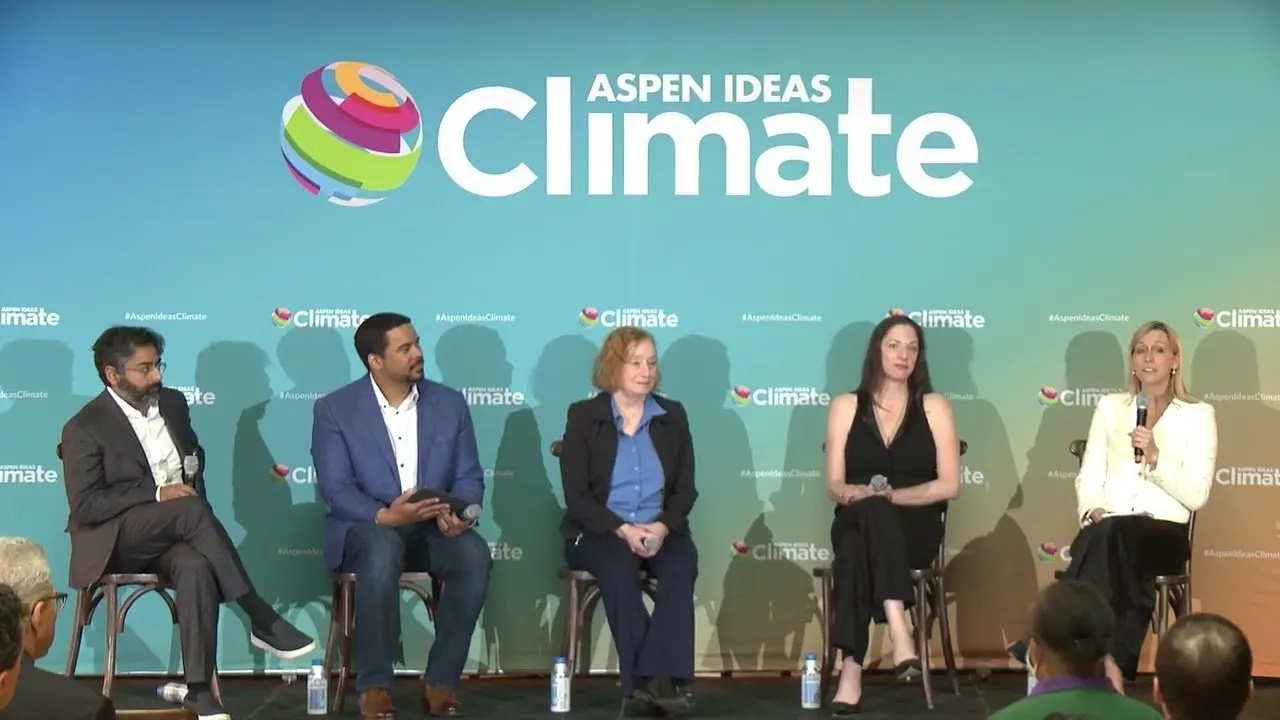
Chicago is firmly positioned at the crossroads of the systems that will define the next century: energy, agriculture, freshwater, and artificial intelligence. As the Midwest prepares to host the fifth annual Aspen Ideas: Climate event, industry leaders and policymakers are gathering to transform these high-stakes challenges into tangible, real-world solutions. From navigating the complexities of an AI-driven economy to addressing the urgent need for affordable, clean energy, the conversation is shifting from theoretical debate to pragmatic, regional action.
Key Takeaways
- The Midwest as an Innovation Hub: The region is leveraging its agricultural and industrial legacy to lead in clean energy, water policy, and sustainable infrastructure.
- The AI and Energy Intersection: As data centers expand, there is a critical need for responsible development that prioritizes grid stability and community benefit agreements.
- Focus on Affordability: Experts emphasize that the transition to clean energy must remain affordable to ensure low-income families are not forced to choose between basic needs and utility costs.
- Community-Centric Adaptation: Solutions for a warming climate require a "both-and" approach, balancing immediate mitigation efforts with long-term resilience and adaptation strategies.
The Heartland’s Role in the Next Century
For 75 years, the Aspen Institute has operated on the premise that bringing diverse minds together—across disciplines and geographies—fosters deeper understanding. This mission is particularly relevant in Chicago, a city that has served as a central pillar for the Institute’s history. As we approach the country’s 250th anniversary, the focus is squarely on the systems that will define the next American Century. The Midwest is not just a participant in this evolution; it is a primary architect of it.
Connecting Ideas to Action
Modern climate initiatives are moving beyond isolation. Last year’s Aspen Ideas: Climate gathering proved that bringing together 1,300 policymakers, CEOs, and students can catalyze real-world investments. By focusing on four core pillars—infrastructure, adaptation and resilience, health, and communication—the goal is to build an ecosystem where diverse technologies and policies work in harmony, much like the biodiversity of a thriving natural habitat.
The key to these successful convenings are in large part because of the community in Chicago and across the Midwest. By meaningfully engaging and amplifying the abundant expertise of this region, we’re able to shine a light on all good things that are happening.
Navigating the AI Energy Boom
The explosive growth of artificial intelligence is fundamentally changing energy consumption patterns. As demand for computing power soars, the energy sector must contend with an increasing load on the grid. While some developers look toward behind-the-meter natural gas as an "easy button," industry leaders are calling for more sustainable, integrated solutions.
Responsible Infrastructure Development
The "social license" to operate is now a bipartisan imperative. Data centers are increasingly under scrutiny for their water usage and strain on electricity prices. Consequently, the push is toward policies that mandate community benefits, such as localized workforce training and retrofitting affordable housing. As experts noted, the goal is to create a "lead standard" for AI data centers—ensuring that rapid technological growth does not come at the expense of local communities or grid reliability.
Addressing the Affordability Crisis
The clean energy transition often faces a narrative hurdle: the perception of cost. For many residents, the immediate concern is the ability to pay utility bills. Leaders in the space argue that this is not a technological hurdle, but a deployment one.
Empowering Vulnerable Communities
Non-profit organizations and philanthropic foundations are prioritizing energy retrofits that target low-income households. By investing in heat pumps, solar, and battery storage at the residential level, advocates aim to ensure that clean energy serves as a tool for poverty reduction rather than an added financial burden. Strategic partnerships are bridging the gap between private sector investment and community needs, proving that climate goals and economic stability are not mutually exclusive.
We have the technologies. We know they work today. It to me is really a deployment challenge.
Agriculture as a Climate Unifier
Often treated as a "stepchild" in climate discussions, agriculture is emerging as a critical, unifying force. Rural communities are already on the front lines of climate change, dealing with extreme weather and shifting water access. Rather than viewing agriculture as a sector to be disrupted, investment firms are identifying it as a Trojan horse for climate conversation.
Regenerative Economics
The economic potential of nitrogen efficiency and sustainable soil management presents a massive opportunity for the Midwest. By incentivizing regenerative practices, the region can move toward long-term carbon sequestration while simultaneously stabilizing farm incomes. This shift toward a more holistic economic model—one that values long-term land health—is essential for sustaining the heart of the American economy.
Conclusion
The path forward requires a blend of rigorous innovation, local advocacy, and a refusal to settle for the status quo. Whether through modernizing the grid for AI or retrofitting homes for energy security, the Midwest is proving that meaningful climate action is happening on the ground, in boardrooms, and at the community level. As these leaders look toward the summer summit, the message is clear: no one is coming to save us—it is up to us to build a resilient, affordable, and sustainable future.