Table of Contents
The movement for the restitution of cultural property is no longer a niche legal debate; it is a profound exploration of identity, post-colonial accountability, and human history. As international laws evolve—most notably with the recent European Union regulation aimed at curbing illicit trafficking—museums, legal experts, and source communities are finding themselves at a critical crossroads. The dialogue has shifted from simply recovering lost artifacts to reimagining what shared stewardship and ethical responsibility truly mean in a globalized society.
Key Takeaways
- Legal vs. Ethical Imperatives: While new EU regulations attempt to close gaps in the illicit antiquities market, experts argue that legal compliance is merely a baseline, not a comprehensive solution for ethical restitution.
- The Power of Provenance: Transparency in object history is essential. Modern institutions are increasingly expected to move beyond simple acquisition to active, collaborative research that engages directly with source communities.
- Redefining Stewardship: Restitution does not always mean moving an object back to a basement; it involves creative, long-term solutions such as rotating loans, digital replication, and empowering source communities to determine the best care for their heritage.
- Addressing Colonial Legacies: Museums are grappling with the reality that many collections are inherently tied to colonial power structures, necessitating an honest appraisal of how these items were acquired.
The Legal Landscape and the EU Regulation
The recent EU regulation, which came into full effect this past summer, marks a significant shift in how cultural objects enter European borders. By requiring proof of lawful export or evidence of long-term continuous residency in a country, the law places a heavier burden of proof on importers. However, practitioners warn that this creates complex challenges for artifacts with degraded or non-existent provenance records, potentially complicating legitimate cultural exchange.
Challenges in Implementation
Because many objects were removed from their countries of origin decades—or even centuries—ago, documentation is often lost or incomplete. The risk of criminal penalty under the new law may deter collectors and museums from importing even undisputed artifacts, raising concerns that the legislation might inadvertently stifle the global movement of art.
Ethics Beyond the Statute
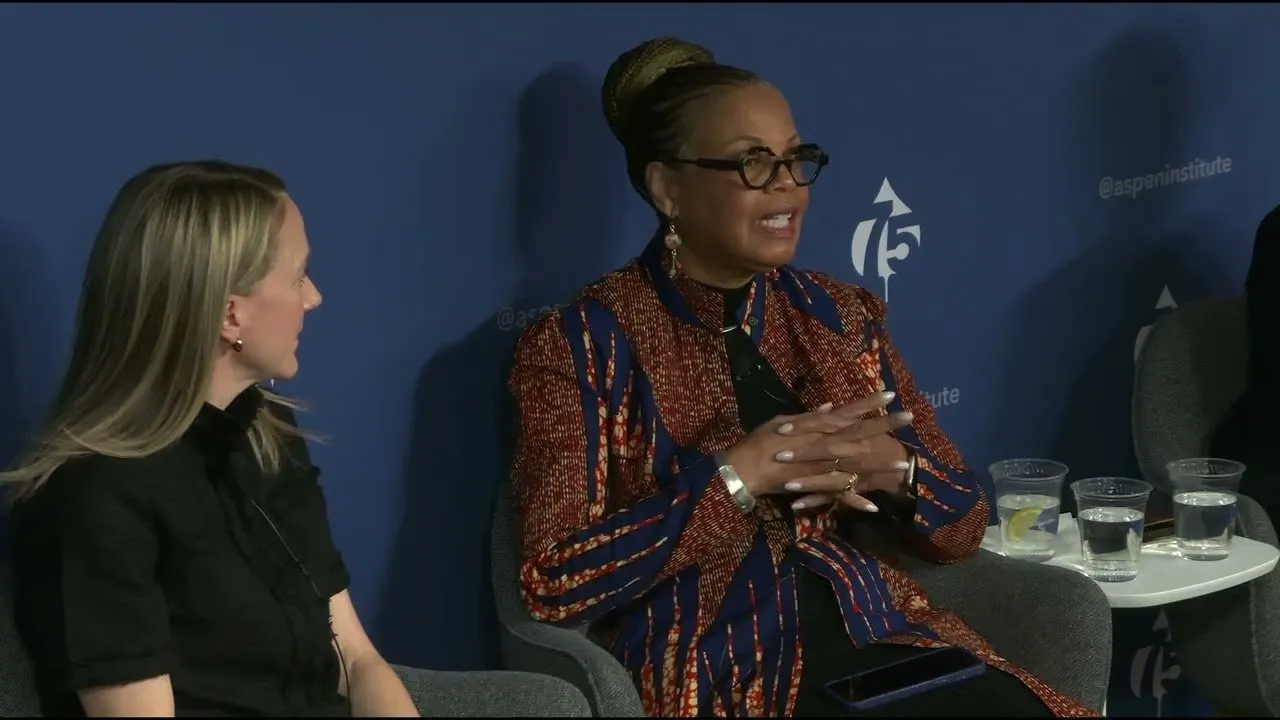
Legal frameworks often fail to account for the deep emotional and spiritual significance of cultural objects. As panelists noted, artifacts held in Western museums are often treated as specimens of art, whereas their source communities view them as living components of ritual, religion, and national identity.
"The arts industry is driven by one's moral codes and some people have morals and others do not. They're unscrupulous."
This moral imperative requires a transition from a transactional view of art to a relational one. True ethics in this space require listening to source communities rather than imposing external legal standards upon them. Stewardship, in this context, is about shifting the power balance so that the voices of the marginalized are not just heard, but are the driving force in determining an object’s future.
Cultural Diplomacy and Shared Stewardship
Cultural diplomacy is an essential tool for reconciliation. When objects are returned, the process can serve to bridge historical divides between nations. However, the path forward is rarely linear. As one speaker highlighted, the return of items to countries lacking the current infrastructure to protect them requires sophisticated cooperation.
Collaborative Models
Innovative solutions, such as the agreement between the Worcester Art Museum and Italy, offer a blueprint for the future. By repatriating objects while maintaining a rotating loan arrangement, museums can honor ownership claims while ensuring the public continues to have access to these treasures. As one panelist observed, "reimagining what repatriation is" involves considering what stewardship looks like in a modern, interconnected era.
The Role of Museums in the 21st Century
Major institutions, including the Smithsonian’s National Museum of Asian Art, have begun to adopt policies that prioritize shared stewardship over traditional ownership. This marks a departure from the "gatekeeper" model of the past, where museums focused on building prestige collections regardless of acquisition history.
"Museums are part of a market which is driven by transactions and profits and a continuous chain of exchange."
By conducting transparent research—even when it results in the loss of prominent acquisitions—these institutions are signaling that their professional reputation is now tied to ethical behavior rather than the volume of their holdings. This shift is critical because it forces the private market and other institutions to reconsider their own standards.
Conclusion
The conversation surrounding art diplomacy and the politics of return is inherently messy, multidimensional, and ongoing. While laws provide the necessary guardrails to combat illicit trade, they cannot replace the complex, human-centered work of reconciliation. By documenting oral histories, fostering genuine partnerships with source communities, and embracing transparency, the global community can begin to move past the colonial legacies of the past. Ultimately, the future of our shared cultural heritage depends on our willingness to prioritize the dignity of the people who created these objects just as much as we value the objects themselves.