Table of Contents
In a stock market that feels increasingly like a "carousel of nightmares," investors are struggling to reconcile high-level economic anxiety with resilient earnings. Between the escalating tensions in the Middle East, the rapid, sometimes disruptive rise of artificial intelligence, and the persistent fears of a "Minsky moment," the current environment is undeniably strange. Despite the headlines, however, seasoned observers argue that the market’s behavior remains a rational, if volatile, response to a complex global landscape.
Key Takeaways
- Market Sentiment vs. Reality: While headline indexes show modest corrections, a significant portion of individual stocks—particularly in tech and retail—are experiencing bear market conditions.
- The Resilience of Earnings: Despite widespread fear and geopolitical instability, corporate profit growth remains positive, providing a critical floor for equity valuations.
- Creative Destruction: The fear surrounding AI’s impact on the labor market mirrors historical transitions, such as the digitization of stock exchanges, where technological displacement eventually paved the way for new roles.
- Private Credit Realities: While "gates" on liquidity for private credit funds have triggered alarm, these mechanisms are standard features designed to manage asset-liability mismatches rather than indicators of systemic collapse.
The "Weirdest" Market in Recent Memory
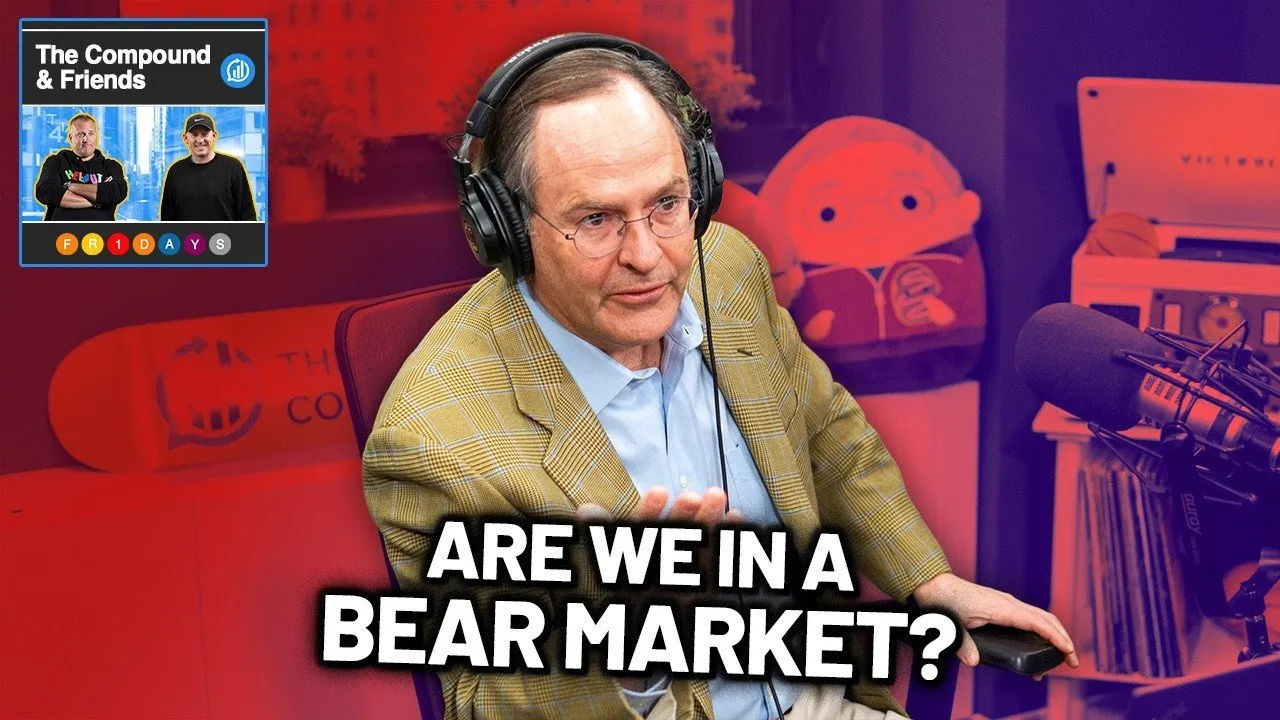
The current market environment is characterized by a disconnect between the S&P 500’s relatively shallow pullback—hovering around 5% from all-time highs—and the deeper distress felt across specific sectors. Investors who became accustomed to the "buy-the-dip" mentality of the post-2020 era are finding this year’s volatility more challenging to navigate.
Understanding the Internal Divergence
Roughly 40% of the S&P 500 now trades in bear market territory, yet the index itself remains near its peaks. This is not necessarily a sign of systemic failure, but rather a reflection of different sectors—from regional banking to software—undergoing their own individual corrections at different times. Critics often reflexively compare current conditions to 2008, but experienced market strategists argue this is largely availability bias—the tendency to rely on the most easily recalled crises of the past 25 years to interpret modern fluctuations.
"I think the reason it feels weird is so many people just got used to you get a downdraft, you come back quickly... this is more like the market is actually digesting real stuff." — Jim Lebenthal
Artificial Intelligence and the Labor Market
The narrative surrounding AI has shifted from simple technological wonder to existential concern regarding the labor force. The rapid adoption of tools like Claude and ChatGPT has left many questioning the future of entry-level positions, particularly for recent college graduates. However, the history of the financial industry itself offers a more nuanced perspective.
The Historical Lens on Job Displacement
Thirty years ago, the floor of the New York Stock Exchange was crowded with thousands of traders and clerks. Today, that number has dwindled to a fraction of its former size due to digital automation. Yet, employment within the broader financial sector has actually grown by 20% over that same period. The nature of the work has evolved, creating new roles that were previously unimaginable. While AI may indeed disrupt traditional white-collar workflows, the long-term history of the economy suggests a cycle of creative destruction, where new capabilities eventually lead to new, higher-value opportunities.
Private Credit: Managing the Hype and the Fear
The recent focus on private credit has sparked intense debate, particularly as retail investors have gained increased access to the asset class. Headlines about "gates"—limits on how much money can be withdrawn quarterly—have caused unnecessary panic among those who view these funds as liquid savings accounts.
Transparency and Liquidity
Financial advisors often emphasize that these liquidity constraints are not signs of insolvency, but standard provisions in an interval fund’s prospectus. They are designed to prevent forced liquidations of underlying assets during periods of market stress. When managed correctly, private credit serves as a vital tool for institutional and long-term wealth, though it requires a higher degree of investor education and a clear understanding of the risks involved compared to traditional public debt.
Navigating the Path Forward
Ultimately, the market’s direction remains tethered to corporate fundamentals rather than speculative anxiety. While geopolitical tensions and consumer sentiment indices are currently bleak, history suggests that extreme negative sentiment is often a contrarian signal for future equity returns. Investors who maintain focus on the jockey—the quality of the companies and the management teams behind them—are better positioned to endure the noise.
Whether navigating the metaphorical subway of New York City or the literal volatility of the stock exchange, the lessons remain the same: patience is not merely a virtue; it is a competitive advantage. The market is not a zero-sum game, and the volatility we experience today is often the necessary friction required to reset valuations for the next leg of growth. As companies continue to demonstrate earnings resilience, the "wall of worry" likely remains the most reliable foundation for long-term investors.