Table of Contents
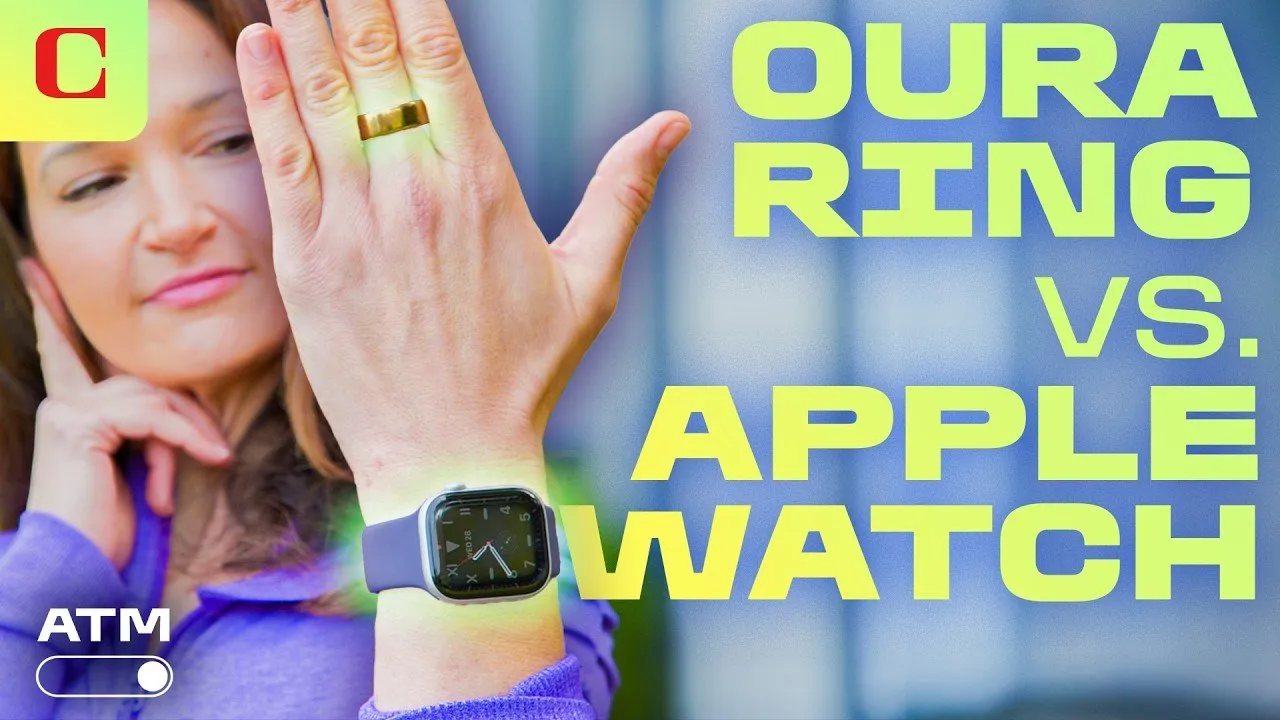
The evolving wearables market has presented consumers with a distinct choice between the active utility of smartwatches and the passive health monitoring of smart rings. A new comprehensive comparison between the Oura Ring 4 and the latest Apple Watch reveals that while both devices track core biometrics, their divergent approaches to battery life, data interpretation, and subscription models make them suitable for fundamentally different user priorities.
Key Takeaways
- Price and Subscription: The Oura Ring 4 retails for roughly $500 with a necessary $6 monthly subscription, while the Apple Watch costs approximately $400 without a paywall for health data.
- Battery Life: Oura offers a week-long battery life allowing for consistent sleep tracking, whereas the Apple Watch generally requires daily charging.
- Data Philosophy: Oura focuses on "Readiness Scores" and recovery advice; Apple focuses on real-time fitness metrics and connectivity.
- Usage: The Apple Watch is superior for active fitness and safety features, while Oura excels at long-term trend analysis and illness detection.
Design Philosophy and Data Consistency
The fundamental difference between the two devices lies in how they integrate into the user's life. The Apple Watch acts as an extension of the smartphone, offering notifications, apps, and communication features. However, this high level of utility comes with a significant drawback: the need for daily charging. This requirement often leads to gaps in data collection, particularly during sleep.
In contrast, the Oura Ring operates as a "demure" background device. Its design philosophy prioritizes invisibility and longevity, boasting a battery life that lasts up to a week. This lack of maintenance friction results in higher data consistency, which is critical for long-term health tracking.
"Most of the time, I genuinely forget I'm wearing it. But that's actually its superpower. Because it's so easy to live with, it stays on your body way more consistently. And turns out consistency is key when it comes to tracking your health long term."
Actionable Insights vs. Raw Metrics
One of the most significant differentiators identified is how each device presents health data. The Oura Ring synthesizes metrics such as heart rate variability (HRV), sleep, and temperature into a "Readiness Score." This score provides actionable advice, such as suggesting rest days when physiological signs indicate potential illness or fatigue. This holistic approach helps users connect the dots between their biometric data and their physical state.
The Apple Watch tracks similar metrics—including temperature and sleep stages—but presents them largely as standalone data points. While Apple’s Vitals app has begun grouping metrics to flag outliers, it requires a high baseline of consistency (five to seven consecutive nights) to function effectively. Furthermore, Apple stops short of interpreting the data for the user.
"Oura takes all your data... to calculate a readiness score... My readiness score dipping almost always means that I'm getting sick. And when it does, it doesn't just show you the data. It actually suggests that you put it on rest mode."
Fitness Tracking and Financial Implications
While the Oura Ring leads in recovery and sleep analysis, the Apple Watch remains the dominant device for active fitness tracking. It provides real-time data during workouts, including pace alerts, heart rate zones, and GPS tracking, supported by a vast ecosystem of third-party apps like Strava. Additionally, the Apple Watch offers critical safety features, including fall detection and crash detection.
The financial commitment for each device also varies significantly. The Oura Ring 4 commands a higher upfront cost of $500, coupled with a recurring $6 monthly subscription required to unlock advanced insights. The Apple Watch, priced around $400, does not gate its health metrics behind a paywall.
Ultimately, the decision rests on the user's primary goal. Those prioritizing athletic performance and daily connectivity will find the Apple Watch superior, while individuals focused on holistic recovery, sleep optimization, and unobtrusive health monitoring will likely prefer the Oura Ring.