Table of Contents
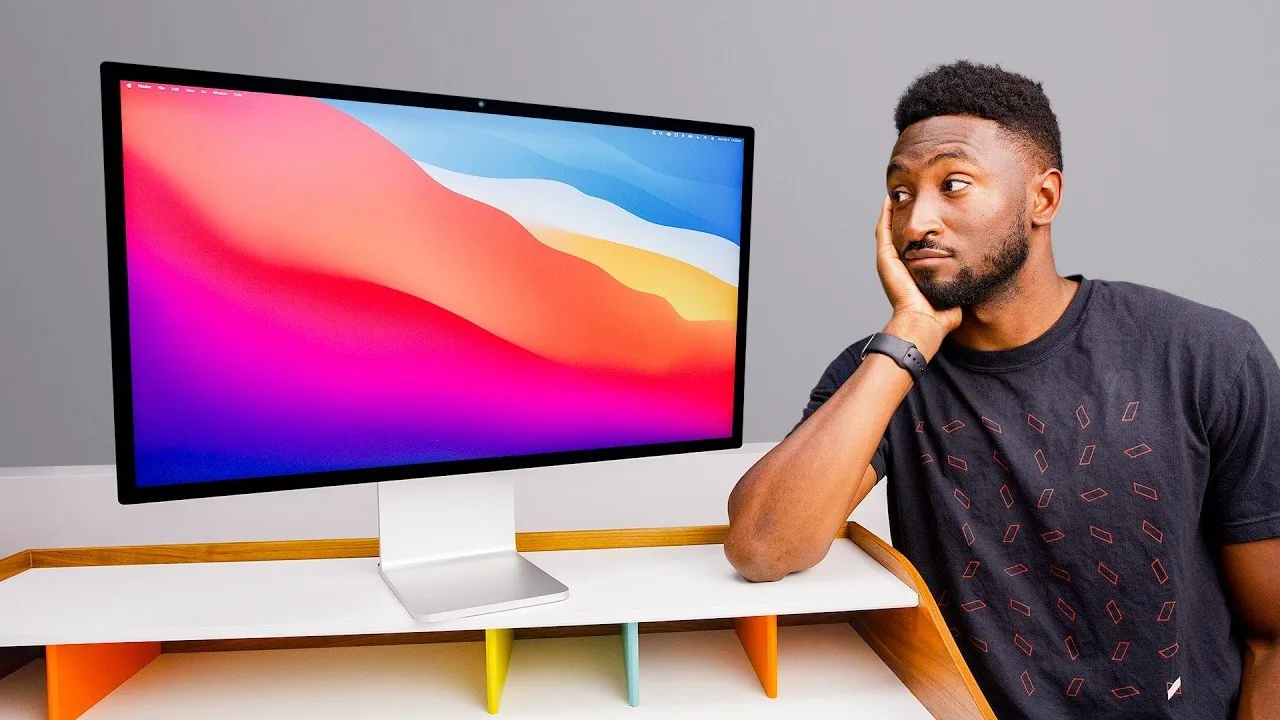
Apple has officially shifted its high-end desktop strategy with the launch of the Studio Display XDR, a powerhouse monitor that effectively replaces the aging Pro Display XDR. By combining a 27-inch 5K mini-LED panel with a 120Hz refresh rate and Thunderbolt 5 connectivity, the new display signals a pivot toward "pro-level" consumer hardware, leaving the traditional, ultra-niche professional reference monitor market behind.
Key Features of the Studio Display XDR
- Advanced Panel Technology: Features a mini-LED display with 2,000 nits of peak HDR brightness and 2,000 local dimming zones for superior contrast.
- High Refresh Rate: Offers a 120Hz maximum refresh rate with adaptive sync support, a significant upgrade over the 60Hz limitations of its predecessor.
- Connectivity: Equipped with Thunderbolt 5 ports, allowing for robust daisy-chaining capabilities—up to four displays or two Studio Display XDRs from a single Mac.
- Integrated Multimedia: Includes a high-quality 1080p webcam with Center Stage support and integrated speakers comparable to those found in the 16-inch MacBook Pro.
- Value Proposition: Starting at $3,299, the monitor includes a stand, undercutting the total cost of the previous Pro Display XDR ecosystem by thousands of dollars.
The Shift from "Pro" to "Studio"
The introduction of the Studio Display XDR clarifies Apple's evolving definition of a professional user. While the Pro Display XDR was designed as a static reference monitor for colorists and cinematographers, the Studio Display XDR acts as a flexible, high-performance peripheral for a broader range of creative professionals. With the inclusion of features like a built-in webcam and high-fidelity audio, Apple is explicitly targeting a "mixed-use" professional who balances technical editing tasks with video conferencing and media consumption.
"I don't think Apple really is interested in targeting the real pro, the professional market anymore. Most of the stuff that has the word 'Pro' in it, like the iPhone Pro or the MacBook Pro, is really high-end consumer devices that have pro-level capabilities."
This strategy aligns with Apple's recent hardware roadmap, where the "Studio" branding has increasingly taken precedence over the "Pro" nomenclature at the top of the company's lineup. Observers note that the Mac Studio has received more consistent internal updates than the Mac Pro, suggesting that the former has become the true flagship for the company’s power users.
Market Impact and User Experience
For users already embedded in the Apple ecosystem, particularly those utilizing the MacBook Pro, the Studio Display XDR provides a seamless integration experience. The "one-cable life" enabled by Thunderbolt 5 allows for charging, data transfer, and display output in a single connection. The display’s ability to act as a high-speed dock—permitting users to connect external storage directly to the monitor—further cements its role as the centerpiece of a modern, clutter-free desk setup.
While the hardware is technically superior to the previous Pro Display XDR in nearly every metric, some minor design quirks remain. The power cable remains non-removable, a persistent point of contention for users prioritizing long-term serviceability. Additionally, despite the high-end internals, the monitor’s power draw and brightness levels result in noticeable heat dissipation during prolonged use, a byproduct of packing such a high-density panel into a slim chassis.
Looking Ahead
The launch of this display sets a new benchmark for what Apple considers the "best" monitor for its machines. While niche Hollywood studios may still look to dedicated reference monitors for specific workflows, the Studio Display XDR provides enough performance and versatility to make it the default choice for the vast majority of creative professionals. Moving forward, industry analysts expect Apple to continue refining the "Studio" branding as it phases out legacy "Pro" hardware in favor of more integrated, high-refresh-rate desktop solutions.