Table of Contents
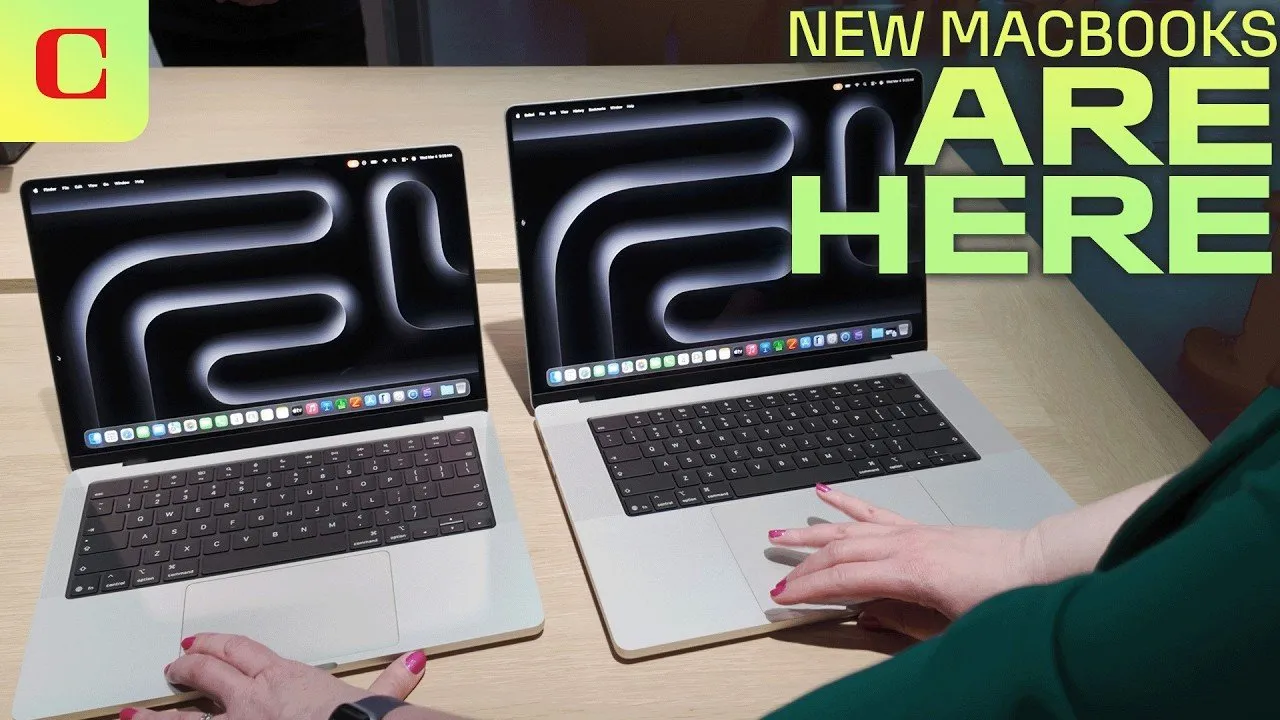
Apple has officially expanded its silicon portfolio with the release of the M5 chip series, powering a refreshed lineup of MacBook Air and MacBook Pro models. While the external hardware remains largely unchanged, the update centers on performance enhancements, expanded base storage, and a new entry-level device aimed at the education and budget-conscious market.
Key Points
- M5 Silicon Integration: The new MacBook Air and Pro models feature the M5 chip, with Pro and Max configurations available for the high-end lineup.
- Enhanced Connectivity: New units now support Wi-Fi 7 and Bluetooth 6 standards for faster, more reliable wireless performance.
- Storage and Pricing Shifts: The 13-inch MacBook Air now starts at $1,099, while the 15-inch model begins at $1,299, with both models now including 512GB of base storage and faster drive speeds.
- New MacBook "Neo": Apple introduced a budget-friendly 13-inch laptop priced at $599 ($499 with student discount), running on an A18 Pro chip and supporting Apple Intelligence.
- AI Optimization: The M5 architecture places a heavy emphasis on local AI processing capabilities for creative and professional workflows.
Hardware and Performance Upgrades
For the standard MacBook Air, the update is primarily an internal evolution. Retaining the chassis, display, and input devices of its predecessor, the Air focuses on raw computing power and wireless connectivity. The introduction of Wi-Fi 7 and Bluetooth 6 ensures these machines remain future-proofed for modern networking environments. Apple notes that the integrated 512GB SSD in these new units is twice as fast as the previous generation, providing a tangible boost to file transfer times and overall system responsiveness.
The MacBook Pro line sees more significant architectural shifts. Apple has rebranded its core types, moving toward a "Super Core" designation for its highest-performance processing units. These chips are designed to handle intensive local AI tasks, ranging from real-time photo and video editing to complex office automation. However, industry analysts note that the memory configuration remains a potential bottleneck for power users.
The real performance jump was from the much older models, like an M1 or an Intel-based Air. Apple is really pushing the M5 local AI processing capabilities, whether that's for editing video and photos, creating music or office or schoolwork.
The Market Strategy: Targeting the Budget Segment
Perhaps the most unexpected announcement is the release of the MacBook Neo. At a starting price of $599, the device aims to capture the market currently dominated by premium Chromebooks. By utilizing an A18 Pro mobile processor rather than the M-series chips, Apple has successfully reduced the price point while maintaining full compatibility with Apple Intelligence features.
This move signals a strategic shift in how Apple handles the student and entry-level professional demographics. By offering a lightweight, aluminum-chassis machine with broad AI support at a sub-$600 price point, the company is attempting to lower the barrier to entry for its ecosystem.
Implications for Consumers
While the performance gains of the M5 are likely to benefit users upgrading from older Intel or M1 hardware, current M4 users may find the iterative updates less compelling. Furthermore, the mandatory base price increases for the MacBook Air—while partially mitigated by higher storage capacities—may create friction for budget-conscious buyers who would have preferred to retain the lower entry price without the added storage.
Memory remains the most significant consideration for prospective buyers. With the base models starting at 16GB of unified memory, users intending to leverage these machines for heavy AI workloads or complex creative suites will likely need to account for the additional $200 cost to upgrade memory capacity. As these models become available, the industry will be watching to see how the market responds to the higher entry-level price tiers and whether the inclusion of Apple Intelligence is enough to drive a new upgrade cycle.