
Table of Contents
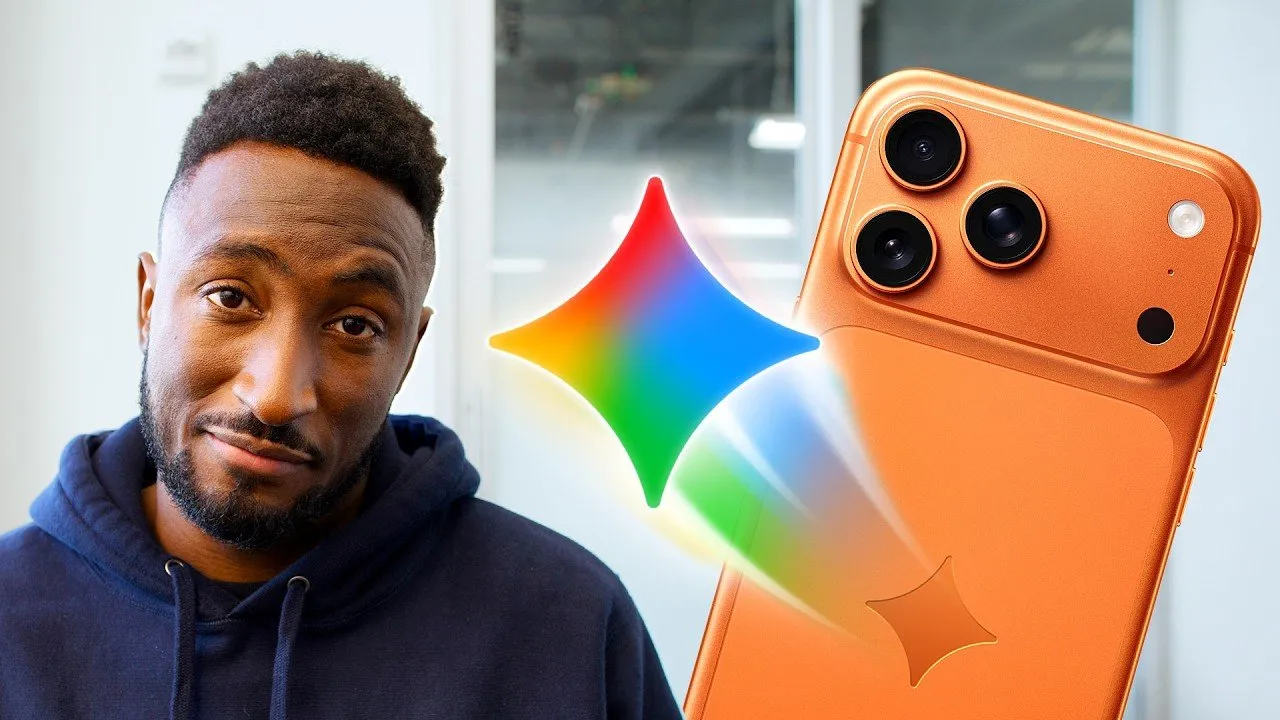
Apple has officially confirmed a landmark partnership with Google to overhaul Siri using Google’s foundation models, with the update scheduled for release in 2026. This strategic pivot signals a major shift in Apple's artificial intelligence roadmap, acknowledging internal development delays while leveraging Google’s established Gemini technology to compete with rival voice assistants.
Key Points
- 2026 Launch: The revamped, Google-powered Siri is expected to debut in two years, likely at WWDC 2026.
- Strategic Pivot: The move serves as a tacit admission that Apple’s proprietary AI development has lagged behind industry leaders.
- Foundation Models: Google’s technology will serve as the underlying architecture for Siri, potentially replacing or augmenting current integrations with OpenAI.
- Feature Expansion: The partnership aims to bring Android-like capabilities, such as "Circle to Search," to the iOS ecosystem.
A Pragmatic Shift in AI Strategy
For months, industry analysts have speculated about Apple's "AI crisis," noting that the tech giant has struggled to modernize Siri despite its $4 trillion market valuation. This new announcement confirms that Apple is stepping back from a purely proprietary approach to artificial intelligence in favor of a pragmatic partnership.
In a statement regarding the shift, Apple confirmed the decision was made to ensure the highest quality user experience:
After careful evaluation, we've determined that Google's technology provides the most capable foundation for Apple foundation models, and we're excited about the innovative new experiences it will unlock for our users.
This development mirrors the long-standing arrangement between the two tech giants regarding web search. For years, Google has paid Apple billions to remain the default search engine on Safari. In this new dynamic, the flow of capital likely reverses, with Apple paying to access Google’s advanced AI infrastructure to deliver a competitive product to iPhone users.
Implications for Features and Competitors
The integration of Google’s foundation models raises questions about the future of Apple’s existing partnership with OpenAI. Currently, Siri offloads complex queries—those requiring extensive world knowledge or multi-step reasoning—to ChatGPT. If the Google-powered architecture succeeds in handling these requests natively or via Google's cloud, the necessity for a standalone OpenAI integration may diminish.
However, the primary goal remains feature parity with Android. Google’s Gemini and features like "Circle to Search"—which allows users to highlight text or images on screen for instant context—have set a high bar for utility. Bringing these capabilities to iOS ensures that advanced AI features are no longer a differentiating factor that drives users toward Pixel or Samsung devices.
Privacy remains a critical differentiator for Apple. While the underlying models may belong to Google, Apple is expected to enforce strict privacy protocols, similar to the "private cloud compute" architecture developed for its current Apple Intelligence features. The company will likely focus on processing as much data on-device as possible, or anonymizing data before it interacts with Google’s servers.
The Battle for the Interface
This partnership highlights a growing trend in the technology sector: the distinction between owning the model and owning the interface. While Google may control the underlying intelligence, Apple retains control over the user experience—the "glass" through which the user interacts with the AI.
By integrating best-in-class models directly into the operating system, Apple aims to prevent user churn. Whether the backend is powered by OpenAI, Google, or proprietary code is secondary to the user; the priority is that the tool works seamlessly within the iOS ecosystem. This strategy allows Apple to maintain its walled garden without needing to win every technical race immediately.
More concrete details regarding the technical implementation and the specific fate of current AI features are expected to be revealed at Apple’s Worldwide Developers Conference (WWDC) in June.




)