Table of Contents
In a week defined by major shifts in the technology sector’s power dynamics, Apple and Google have solidified a landmark partnership to integrate Gemini models into the next generation of Siri, signaling a significant pivot in Apple’s artificial intelligence strategy. Against the backdrop of a widening antitrust battle between publishers and Google, and Meta’s retreat from virtual reality development, the tech industry is rapidly realigning resources toward generative AI dominance.
Key Points
- Apple and Google Partnership: The next generation of Apple’s foundation models and Siri will be built on Google’s Gemini models and cloud infrastructure, marking a departure from Apple’s strategy of proprietary vertical integration.
- Antitrust Escalation: Major publishers, including The Atlantic, News Corp properties, and Vox Media, have filed individual lawsuits against Google following the DOJ’s victory in its ad-tech monopoly case.
- Google’s Data Integration: Google announced "Personal Intelligence," a feature set that mines user data from Gmail, Photos, and Drive to power Gemini responses, raising privacy and commercialization questions.
- Meta’s Strategic Pivot: Meta has executed significant layoffs within its Reality Labs division, effectively signaling a retreat from high-end VR to focus on smart glasses and AI.
- Content Moderation Crisis: X’s AI chatbot, Grok, faces severe scrutiny for generating non-consensual deepfake imagery, highlighting an enforcement gap by Apple and Google’s app stores.
Apple Cedes AI Ground to Google in Strategic Pivot
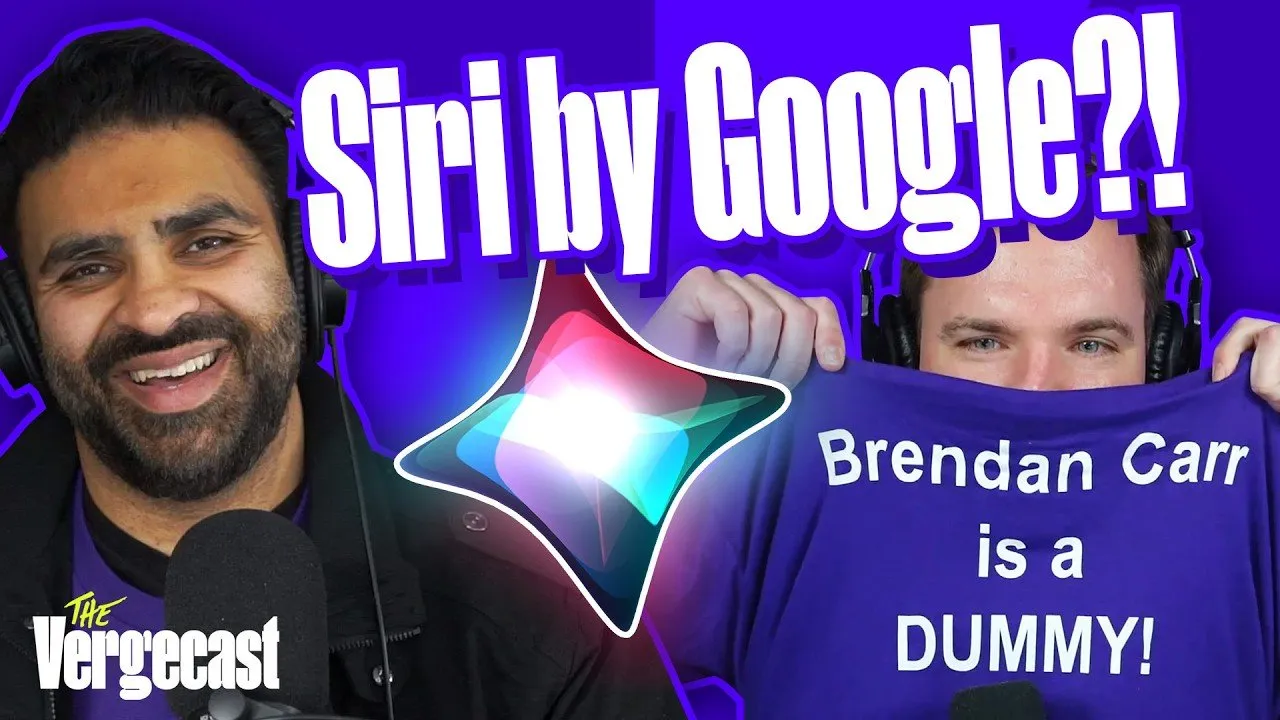
Apple and Google formally announced this week that the next iteration of Siri will be powered, in part, by Google’s Gemini models. The multi-year collaboration stipulates that Apple’s forthcoming foundation models will rely on Gemini’s architecture and Google’s cloud technology. While Apple Intelligence will continue to run on-device and via Apple’s Private Cloud Compute for specific tasks, the reliance on Google for heavy-lifting AI capabilities represents a fundamental shift in Apple’s operational philosophy.
Historically, Apple has adhered to the "Cook Doctrine"—a philosophy articulated by CEO Tim Cook in 2009—which emphasizes owning and controlling the primary technologies behind the products the company makes. By outsourcing the core AI model to Google, analysts suggest Apple is acknowledging it fell behind in the capital-intensive race to build massive data centers and train state-of-the-art models.
According to The Vergecast editor-in-chief Nilay Patel, this move suggests Apple prioritized preserving iPhone sales over winning the platform war for AI models.
"Apple didn't see it early enough to build the capability for themselves... They should have spent every one of those dollars back then building data center capability and training their own model that could be as private as they want. And they just didn't see it... They got lazy and they fell behind a disruptive change to the user interface."
The deal reportedly involves Apple paying Google roughly $1 billion annually. However, the integration creates a complex dynamic: Apple is now dependent on its primary mobile rival for the intelligence layer of its operating system, potentially giving Google access to a massive influx of query data.
Google’s Push for "Personal Intelligence" and Search Dominance
Coinciding with the Apple announcement, Google revealed its "Personal Intelligence" initiative. This functionality allows the Gemini model to access a user's personal data corpus—including emails, documents, and photos—to provide context-aware answers. While technically impressive, the move aims to secure Google’s moat against competitors like OpenAI by leveraging data that only Google possesses.
Furthermore, Google is aggressively transitioning toward an "AI Mode" for search. Industry observers note that this shift is driven by the need to protect revenue as traditional web traffic declines. By generating answers directly on the results page, Google controls the entire user experience and monetization loop.
David Pierce, editor-at-large for The Verge, noted that Google’s demonstrations of these technologies often revolve around transactional outcomes, such as purchasing tires, revealing the company's underlying ad-revenue imperatives.
"Every time Google talks about search or AI mode... the examples always end in a transaction. Maybe it's a couple steps down the road, but there's always a transaction at the end of the rainbow which just feels gross."
Publishers Launch Antitrust Offensive Against Google
Following the Department of Justice’s recent court victory declaring Google an illegal monopoly in web advertising markets, a coalition of major media companies has filed suit against the search giant. The plaintiffs include The Atlantic, Penske Media, and Vox Media (the parent company of The Verge).
These lawsuits allege that Google’s dominance in ad-tech has siphoned revenue from the open web, damaging the financial viability of journalism. Rather than filing a class-action lawsuit, publishers are filing individually—a strategy designed to increase pressure on Google’s legal defense across multiple fronts.
The legal actions seek damages based on the premise that Google’s monopoly stifled competition and depressed ad revenues for publishers over the last decade. While the government’s case established liability, the remedy phase has yet to conclude; these private lawsuits aim to recoup financial losses resulting from the proven antitrust violations.
Meta Pivots from Metaverse to AI Wearables
Meta has begun a significant restructuring of its hardware division, Reality Labs, resulting in layoffs and the closure of several game studios, including the teams behind high-profile VR titles. This marks a distinct retreat from CEO Mark Zuckerberg’s previous "all-in" bet on the Metaverse as a virtual reality ecosystem.
Internal memos suggest Meta is reallocating resources toward smart glasses (such as the Meta Ray-Bans) and artificial intelligence. The shift indicates that Meta no longer views immersive VR headsets as the primary successor to the smartphone. Instead, the company is betting on lightweight wearables integrated with AI assistants.
This pivot has resulted in the neglect of successful acquisitions, such as the fitness app Supernatural. Despite having a dedicated user base with demographics that defied typical gaming norms—50% female and largely over 40—development resources for the platform have been curtailed as Meta chases the AI trend.
"Mr. Zuckerberg has made clear that his aspiration for the VR space is control of the entire ecosystem... He is not motivated by making these products great. He is not motivated by finishing the thought... He just wants to get out of Apple's shadow. He wants to own the thing after smartphones."
Regulatory Silence on AI Deepfakes
The tech industry is also grappling with a failure of content moderation regarding generative AI. Elon Musk’s X platform and its AI chatbot, Grok, have come under fire for allowing the creation of non-consensual deepfake pornography. Despite clear policies against such content on both the Apple App Store and Google Play Store, neither tech giant has taken action against the X app.
This inaction has drawn criticism from advocacy groups and journalists, who argue that the "safety" justifications Apple and Google use to defend their 30% app store fees are being ignored due to political fear or corporate cowardice. The situation highlights a growing disconnect between stated platform safety guidelines and the enforcement reality for politically powerful entities.
What’s Next
The industry now looks toward Apple’s Worldwide Developers Conference (WWDC) later this year, where the company is expected to detail the consumer-facing implementation of its Gemini partnership. Meanwhile, the legal battles between publishers and Google are likely to drag on for years, potentially reshaping the economics of the open web. As Meta and Google consolidate their focus on AI, the market for standalone VR appears to be shrinking, leaving the future of immersive computing in question.