Table of Contents
The tech industry is currently navigating a period of intense scrutiny, where the lines between innovation, political influence, and brand identity are becoming increasingly blurred. From Apple’s surprising pivot toward budget-friendly hardware to the concerning intersection of billionaire spending and political polarization, the landscape is shifting. As we witness these developments, it becomes clear that the strategies defining the next decade of American business will be as much about social responsibility and fiscal stewardship as they are about market share.
Key Takeaways
- The Luxury Paradox: Apple’s move to release a lower-cost "MacBook Neo" challenges its traditional stance as an aspirational, premium-only brand, potentially risking long-term margin erosion for short-term market share gains.
- Political Influence: Billionaire political donations have jumped from under 1% pre-Citizens United to 19% today, raising significant questions about the health of American democracy and the need for structural reforms like de-gerrymandering.
- The Crisis of Connection: Rising rates of loneliness, gambling addiction, and the "incel" phenomenon among young men suggest a deeper societal issue where AI-driven platforms and economic pressures are alienating a generation.
- Fiscal Responsibility: Sustainable progress requires moving beyond populist rhetoric toward meaningful fiscal accountability, including means-testing entitlements and closing tax loopholes rather than engaging in performative class warfare.
The Luxury Brand Gamble: Apple’s Shift
Apple has long held the title of the world’s most successful luxury brand, achieving the impossible feat of maintaining Ferrari-like margins on Toyota-level production volumes. By positioning its products as a hallmark of the creative class, Apple has effectively turned its hardware into a self-expressive benefit—a signal of status and identity.
Is the "Neo" a Strategic Mistake?
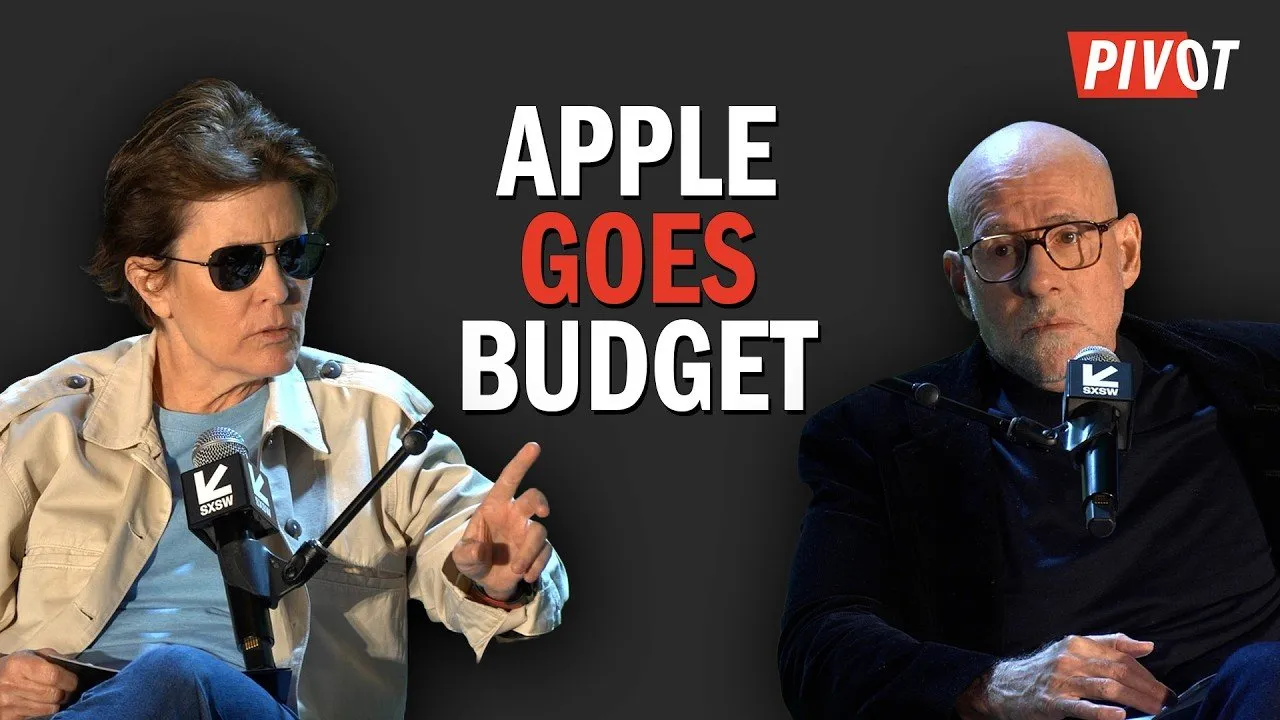
The introduction of a $599 laptop powered by an iPhone chip represents a fundamental departure from this strategy. While analysts argue it is a smart play for market share, there is a risk that lowering the barrier to entry dilutes the brand's aura of exclusivity. Much like a high-end fashion house, once the "unattainable" becomes common, the brand's core asset—irrational margin—may begin to erode. For Apple, the long-term danger is shifting from a premier luxury provider to just another commodity player.
"When you pay a lot of margin for something, it's either because you think it'll make you feel closer to God, it's a monopoly, or it thinks you make makes you more attractive to potential mates."
Political Polarization and the Rise of the Billionaire Class
The 2024 election cycle has highlighted a staggering shift in political financing. With 19% of all campaign donations now coming from a small group of billionaires, the influence of the ultra-wealthy has effectively neutralized the voice of the average voter. This concentration of capital, combined with a political system paralyzed by gerrymandering, ensures that we remain trapped in a cycle of extremes.
The Need for Structural Reform
To avoid a perpetual cycle of autocracy, two boring but essential reforms are required: de-gerrymandering and the overturning of Citizens United. Without these, political stasis will continue to define Washington. When districts are rendered permanently "hard blue" or "hard red," the primary—rather than the general election—becomes the only point of competition, incentivizing candidates to lean into extremes rather than consensus-building.
The Future of Media and Truth to Power
The recent political maneuvering surrounding media acquisitions—specifically within the broadcast networks—has sparked fears of a chilling effect on journalism. However, the attempt to suppress free speech through regulatory threats often yields the opposite result, emboldening alternative media and niche platforms.
"The only issue with that is covering a war costs money. You have to have a larger thing. And so one of the things instead of reforming the costs of something like a CNN... they're doing damage to it so it can't revive itself."
Dispersion of Truth
While established institutions like CNN or The Washington Post face immense pressure, the talent within these organizations is increasingly migrating to direct-to-consumer platforms. Substack, independent podcasts, and newsletters are proving that there is a viable market for independent voices who are unafraid to challenge power. The concern remains, however, that these smaller entities lack the infrastructure to cover complex global issues, such as international conflicts, at scale.
Addressing the Crisis Among Young Men
Beyond fiscal and political concerns, there is a mounting social crisis involving young men aged 20–30. Trapped in an ecosystem of 24/7 digital manipulation—ranging from algorithmic gambling to social media-fueled isolation—this demographic is facing unprecedented rates of depression and disconnection.
Beyond Dopamine Hits
The "incel" movement is not merely a fringe trend; it is a symptom of a society that has failed to provide young men with a pathway toward connection, resilience, and purpose. The path forward requires a return to shared civic values and a recognition that success is built on perseverance and community engagement—not on the quick, dopamine-fueled "wins" promised by predatory tech platforms.
Conclusion
Whether it is the strategic direction of Apple or the crumbling trust in our political institutions, the overarching theme is a need for renewed authenticity and long-term thinking. Moving forward, the goal should be to restore fiscal accountability and foster a media landscape that values truth over the partisan noise of the day. By focusing on structural integrity and genuine community connection, we can begin to address the vulnerabilities that currently define our economic and social systems.