Table of Contents
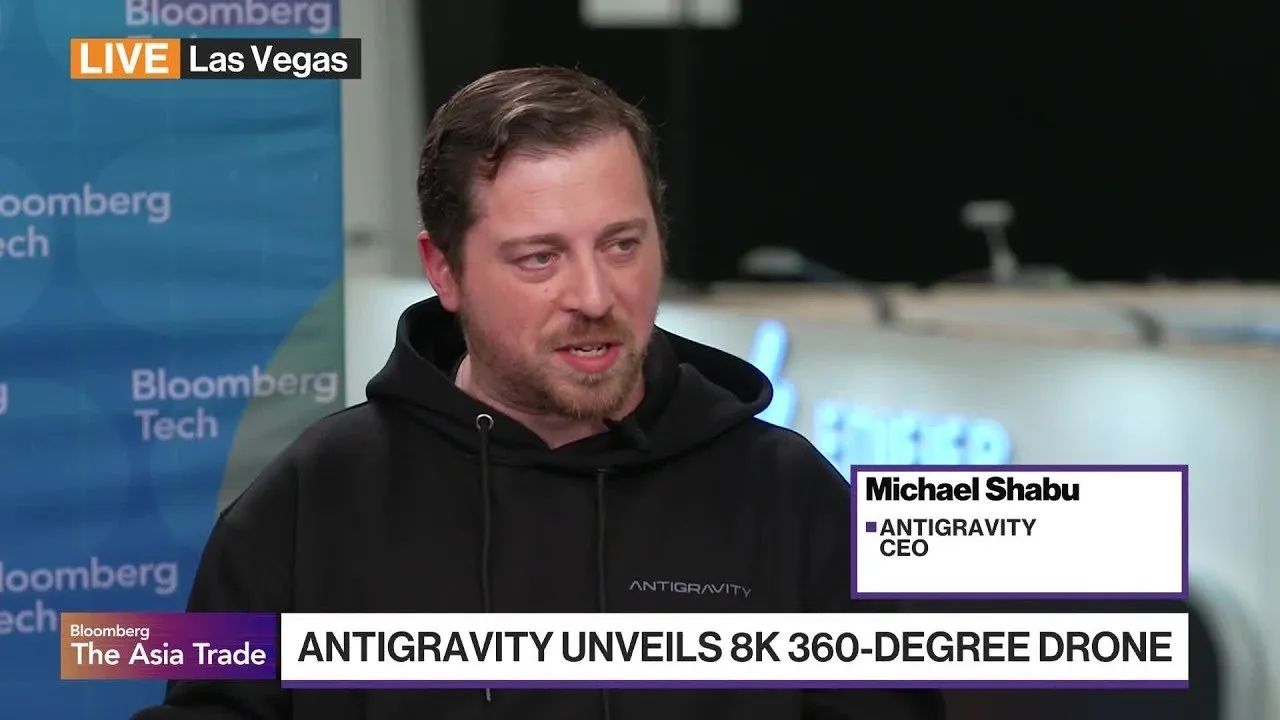
AntiGravity has officially entered the competitive unmanned aerial vehicle (UAV) market with the global launch of the H1, a drone that leverages $150 million in research and development to offer the world’s first fully integrated 360-degree aerial capture system. Spun out of camera technology giant Insta360, the company confirmed recent Series A funding success and a $1 billion valuation, signaling strong investor confidence despite an increasingly complex regulatory environment for foreign-manufactured technology.
Key Takeaways
- Unicorn Status: AntiGravity has raised approximately $200 million in Series A funding, achieving a valuation of $1 billion.
- Technological First: The H1 drone features dual-lens integration for real-time 360-degree video stitching, allowing pilots to "shoot first, frame later."
- Strategic Origins: The product is the result of five years of dedicated R&D and incubation support from Insta360.
- Regulatory Compliance: The CEO confirmed the H1 is currently FCC compliant, though the company is exploring U.S.-based manufacturing for future product lines.
- IPO Ambitions: The company has outlined long-term plans for an initial public offering in the U.S. stock market.
Redefining Aerial Cinematography
The core value proposition of the AntiGravity H1 lies in its departure from traditional drone mechanics. Unlike standard quadcopters that require the pilot to simultaneously manage flight path and gimbal orientation, the H1 captures the entire environment at once. This omnidirectional capability is achieved through lenses mounted on both the top and bottom of the airframe, which software stitches together in real time.
This architecture is designed to democratize professional-grade aerial cinematography. By removing the need for complex shot composition during flight, the system allows operators to focus exclusively on piloting, with the ability to choose specific angles and framing during post-production. For the pilot, the experience is immersive; using the company’s proprietary goggles, operators can look in any direction independent of the drone’s flight trajectory.
"When you're flying a regular drone, you're flying a camera. And that's really, really cool by itself. When you're flying the AntiGravity drone, you become the camera and you become the drone... It gives you the ability of a professional creator in something that's small and easy to fly."
According to the company, the H1 is targeting a broad demographic, ranging from professional filmmakers to novices who lack training in camera movement. Early sales data indicates a roughly equal split in demand across the United States, China, and Europe, suggesting global appeal for the form factor.
Financial Performance and Investor Confidence
Despite the crowded nature of the drone market, AntiGravity has secured significant capital backing. The company is currently in a Series A funding round and has raised approximately $200 million to date. The CEO revealed that the company is currently valued at $1 billion, granting it "unicorn" status shortly after its public debut.
The capital injection is intended to sustain long-term business operations and fund research and development for future product generations. The company reports being "oversaturated" with investor interest from both North American and APAC venture capital firms.
"When VCs and private equity investors started hearing about AntiGravity, folks were throwing money left and right at us... Our main goal is to make this a truly global brand."
Navigating Regulatory Headwinds
The launch comes at a time of heightened scrutiny regarding foreign-made drone technology in the United States. Recent FCC rulings and legislative discussions have targeted restrictions on drones manufactured by entities with ties to specific foreign adversaries. However, AntiGravity’s leadership maintains that the H1 is fully compliant with current FCC regulations and remains available for sale in over 100 countries.
To mitigate future geopolitical risks, the company is actively consulting with lobby groups and legal partners. While China remains a vital consumer market, AntiGravity is considering diversifying its supply chain to ensure continued access to the American market.
"We are definitely looking at all options right now, including U.S.-based manufacturing... We're also going to make changes to the business in order to make sure that the U.S. consumers can get the latest and greatest AntiGravity products."
Future Outlook
Looking ahead, AntiGravity has signaled clear intentions to transition from a privately held startup to a public entity. The CEO confirmed that an Initial Public Offering (IPO) on a U.S. stock exchange is the "ultimate end goal." While the timeline remains fluid and dependent on the rollout of subsequent product generations, the company’s strategy focuses on establishing a sustainable global footprint before approaching the public markets.