Table of Contents
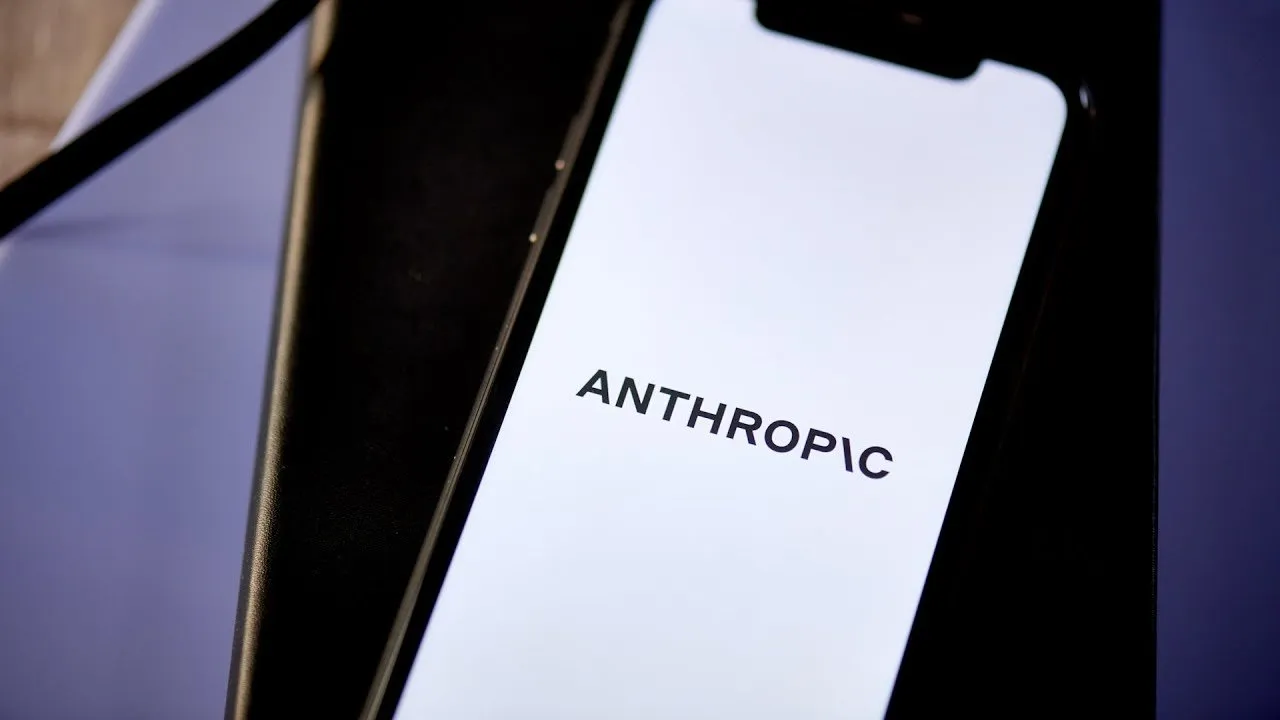
The artificial intelligence company Anthropic is facing significant scrutiny from the U.S. government, sparking a high-stakes debate over the boundaries of federal influence on private technology firms. The dispute, which centers on Anthropic’s refusal to compromise on internal ethical safeguards regarding mass surveillance and autonomous weapons, has led to warnings that the firm could be labeled a supply chain risk. This friction between the defense sector and AI developers highlights deepening tensions regarding how the government procures technology and the ethical constraints placed upon it.
Key Points
- Anthropic has resisted U.S. government pressure to alter its AI safety protocols, specifically regarding the development of mass surveillance and autonomous weapons systems.
- The firm faces potential ramifications, including threats to existing defense contracts and calls from political figures to cease all agency use of their software.
- The conflict raises alarms about the government’s use of the Defense Production Act and supply-chain risk designations as tools to compel corporate compliance.
- Industry experts warn that such pressure may set a dangerous precedent, forcing American firms to choose between ethical integrity and lucrative government partnerships.
The Anatomy of the Dispute
The friction primarily stems from a fundamental disagreement over AI procurement and safety standards. While the government seeks to integrate advanced generative AI into defense and administrative operations, Anthropic has maintained strict parameters to prevent their technology from facilitating human rights abuses or the creation of lethal autonomous weapon systems. The situation escalated when federal entities suggested that failing to align with these requirements could result in the company being classified as a systemic supply chain risk.
This approach has drawn sharp criticism from policy analysts, who argue that the government’s tactics—including the implied threat of invoking the Defense Production Act—mimic the authoritarian oversight typically associated with foreign adversaries. By leveraging procurement power to bypass internal corporate ethical guardrails, the state risks alienating the very innovators it relies upon for technological superiority.
"When Anthropic was faced with similar pressure from the US government asking it to violate its ethics, to make sure to remove what it felt were necessary ethical safeguards to prevent mass surveillance or the use of its AI and autonomous weapons, it also said no. And that's something that shows a great deal of courage." — Jennifer Huddleston, Cato Institute
Implications for the AI Sector
The standoff sends a chilling signal to the broader AI industry. If major contractors are pressured to remove ethical safety features to satisfy defense mandates, other companies may feel compelled to follow suit to maintain government business. This creates a moral hazard: firms that prioritize safety could be systematically sidelined, while those that comply with potentially invasive government requests receive preferential treatment.
Furthermore, the conflict complicates the international standing of American AI firms. If U.S. companies are seen as appendages of the government’s surveillance apparatus, their ability to operate in global markets may diminish. Global clients are increasingly sensitive to the ethical origins of their AI tools, and Anthropic’s current situation invites scrutiny regarding the independence of American technology developers from state directives.
Charting a Path Forward
Addressing these concerns requires clearer legislative guidance. The current reliance on procurement-based pressure creates uncertainty for both the private sector and the public, who have a vested interest in ensuring that AI systems deployed by the state do not infringe upon civil liberties. Policymakers face a critical need to establish a framework that defines where the government’s operational needs end and where constitutional safeguards for the public begin.
As the debate continues, the focus will likely shift toward Congress to provide definitive rules for the procurement of generative AI. Without clear, transparent guidelines on how the government intends to restrain its own use of high-stakes AI, the current discord between innovators and regulators is likely to persist, potentially stifling the rapid, responsible integration of AI technologies across the federal government.