Table of Contents
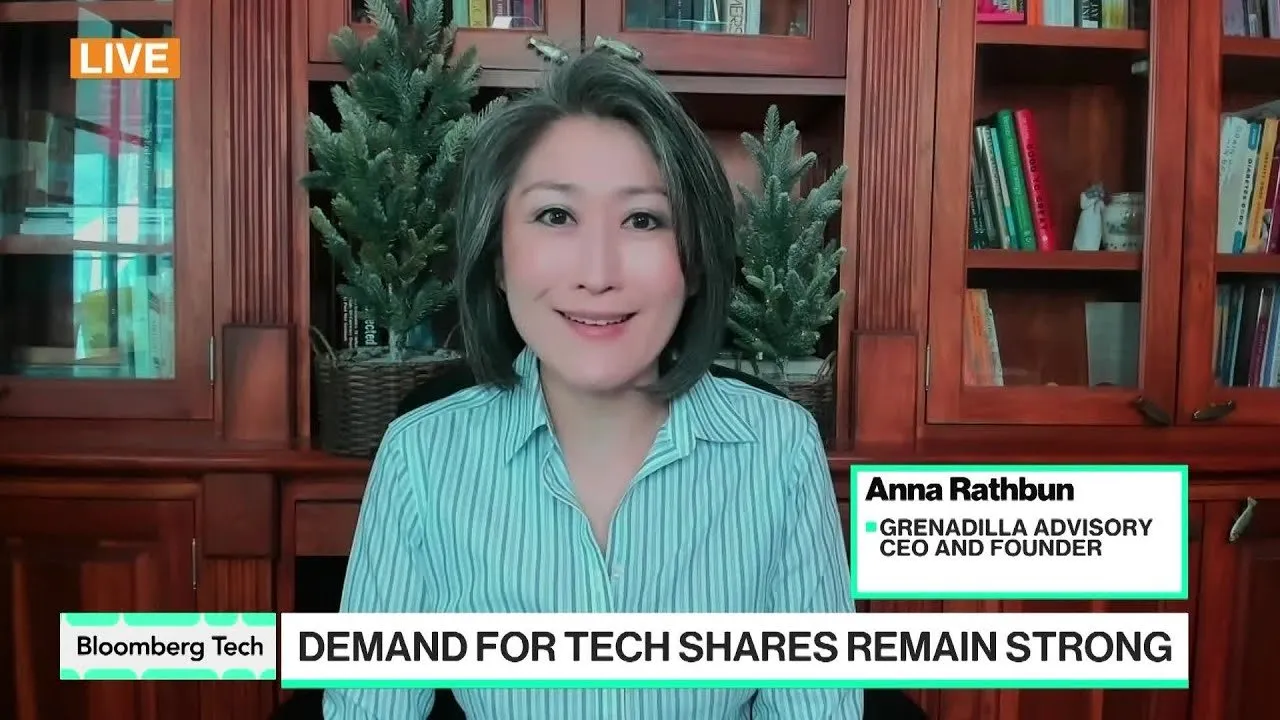
As investors look toward 2026, the market narrative is shifting from broad enthusiasm to a demanding search for tangible results, particularly within the artificial intelligence sector and complex geopolitical landscape. Anna Rathbun, discussing current market trends, emphasizes that while the "picks and shovels" trade remains robust, software companies face increasing scrutiny over product retention, and recent geopolitical maneuvers are reshaping the backdrop for upcoming US-China trade negotiations.
Key Points
- AI Infrastructure Dominance: 2026 remains a hardware-focused "picks and shovels" story, with semiconductors outperforming software as corporate adoption remains in the experimental phase.
- Pressure on Market Leaders: Nvidia and Tesla face rising competition and high valuation hurdles, with investors demanding clear guidance on future innovations beyond current product lines like Blackwell.
- Geopolitical Strategy: Recent US moves regarding Venezuela oil are viewed as long-term leverage for trade talks with China concerning rare earth minerals and chip exports.
- Market Outlook: While S&P 500 earnings are projected to grow 15% year-over-year, stretched valuations suggest continued volatility ahead.
The AI Divergence: Hardware Strength vs. Software Skepticism
A significant dispersion has emerged between hardware and software equities. While semiconductor indices have rallied, software indices have faced downward pressure. According to Rathbun, this divergence signals that the market views 2026 as a continued infrastructure build-out phase rather than a mature application phase.
The hesitation surrounding software stocks stems from questions regarding the "stickiness" of AI applications. While hardware demand is undeniable, the integration of AI software into daily business operations is still largely experimental. Until companies move from testing to full, indispensable integration, volatility in the software sector is likely to persist.
"I think 2026 is still going to be a picks and shovels year building these things out and the demand is there for it... On the software side, there is a lot of experimentation still. If you're a customer dipping your toes in, there's no guarantee that that's going to be sticky."
Nvidia and the Burden of Innovation
As the Consumer Electronics Show (CES) takes center stage, the spotlight is firmly on industry titans like Jensen Huang of Nvidia and Lisa Su of AMD. The market has already priced in the success of current technologies, such as the Blackwell chips. For the rally to sustain its momentum through 2026, these companies must provide a roadmap for the next phase of growth.
Rathbun notes that Nvidia faces specific headwinds, including the rise of Tensor Processing Units (TPUs) and competition from other tech giants. Investors are now hunting for "something new," specifically regarding strategic partnerships and technological leaps that extend beyond current large language model relationships.
Geopolitics: The Energy and Trade Chessboard
Beyond technology, the investment landscape is being shaped by renewed US involvement in global energy markets, particularly regarding Venezuela. Rathbun characterizes the recent developments not as a short-term extraction play—noting that significant oil output won't materialize by 2026—but as a strategic geopolitical maneuver.
This move places the United States in a stronger position ahead of critical trade talks with China. With China acting as a major buyer of oil and the US securing control over substantial reserves, the dynamic shifts regarding negotiations over rare earth minerals and semiconductor restrictions. This "chess game" is expected to influence market sentiment well into the future, potentially acting as a counterweight to supply chain risks.
Market Outlook: Growth vs. Valuation
Looking at the broader financial picture for 2026, the fundamental data appears strong, with analysts projecting 15% year-over-year earnings growth for S&P 500 companies. However, this optimism is tempered by stretched multiples and high valuations, particularly in the technology sector.
The market is also bracing for a wave of IPOs in 2026. These public listings will serve as a litmus test for investor appetite, revealing whether the market can support fundraising for high-valuation companies in a volatile environment. Investors are advised to maintain robust, diversified portfolios to navigate the expected friction between strong fundamental growth and elevated pricing.
As the year progresses, the market's focus will likely remain fixed on the transition from AI experimentation to adoption, with CES announcements and upcoming trade negotiations serving as the primary catalysts for price action.