Table of Contents
Google and Apple have formalized a landmark multi-year partnership to integrate Gemini models into Siri, reshaping the mobile AI landscape just as CES 2026 concludes with major hardware reveals from Samsung and Motorola. While the industry digests the software consolidation, hardware enthusiasts face a mixed bag of news, with the cancellation of the OnePlus Open 2 contrasted by the critical success of Samsung’s new "Tri-Fold" device.
Key Points
- Apple & Google Partnership: A joint statement confirmed Google’s Gemini will power Apple Intelligence and Siri, marking a significant strategic pivot for Cupertino.
- CES 2026 Standouts: Samsung’s "Tri-Fold" concept and Motorola’s new book-style foldable drew praise for their thin profiles and engineering.
- Foldable Market Shift: Production on the OnePlus Open 2 has reportedly been halted, while Oppo prepares the Find N7 to rival a rumored iPhone Fold.
- Pixel Roadmap: Leaks indicate the Google Pixel 10a release date has been moved up to mid-February 2026.
Industry Shift: Google Gemini Powers Apple Intelligence
In a move that signals a massive consolidation of AI resources, Apple and Google have issued a joint statement confirming a multi-year collaboration. The agreement will see Apple base its AI foundation models on Google’s Gemini technology to power "Apple Intelligence," including a revamped, more personalized Siri later this year.
The announcement validates long-standing rumors that Apple would seek an external partner to bolster its artificial intelligence capabilities rather than relying solely on proprietary models. According to the statement, Apple determined that Google’s technology provided the "most capable foundation" for its users.
Mishaal Rahman, Android expert and co-host of Android Faithful, noted the significance of the integration:
"Huge W for Google here... Now it seems like it's going to be a full integration where Gemini itself is powering the underlying Apple intelligence features, both on device and in the cloud."
This partnership suggests a "rising tide lifts all boats" scenario for the tech giants, potentially accelerating consumer adoption of AI features across both iOS and Android platforms by standardizing the underlying capabilities.
CES 2026 Hardware: The Era of the Tri-Fold
Returning from Las Vegas, hands-on reports from CES 2026 highlight a maturity in foldable display technology. The clear critical darling of the show was Samsung’s "Tri-Fold" device. Unlike previous concept devices that felt experimental, the Tri-Fold impressed with its form factor.
"The hype is real. It is kind of the next phase of this foldable experiment... With this thing, it was friggin' thin. When it's folded, it really does kind of feel like a normal phone, and the front screen is a normal screen size."
Motorola also expanded its portfolio, unveiling its first-ever book-style foldable to the U.S. market. Slated for a Summer 2026 release, the device features a titanium hinge, an 8.1-inch internal display, and a camera system that includes a 3x periscope telephoto lens—a rarity in the foldable category.
Beyond mobile, Samsung’s "Freestyle Plus" projector drew attention for its use of AI to analyze wall textures and colors, automatically calibrating the image to correct for imperfections like wallpaper patterns.
Market Movements: OnePlus Retreats, Oppo Advances
While Samsung and Motorola push forward, the competitive landscape for foldables is shifting. Reports indicate that OnePlus has halted production on the successor to the critically acclaimed OnePlus Open. Sources suggest the global launch for the "OnePlus Open 2" has been cancelled, leaving a gap in the market that competitors are eager to fill.
Conversely, Oppo is reportedly doubling down. The company is rumored to be preparing the "Oppo Find N7" for a September launch. Industry insiders suggest this device is being engineered specifically to compete with a rumored foldable iPhone, featuring a wider book-style aspect ratio and a Snapdragon 8 Elite Gen 5 processor.
The Quest for the Creaseless Display
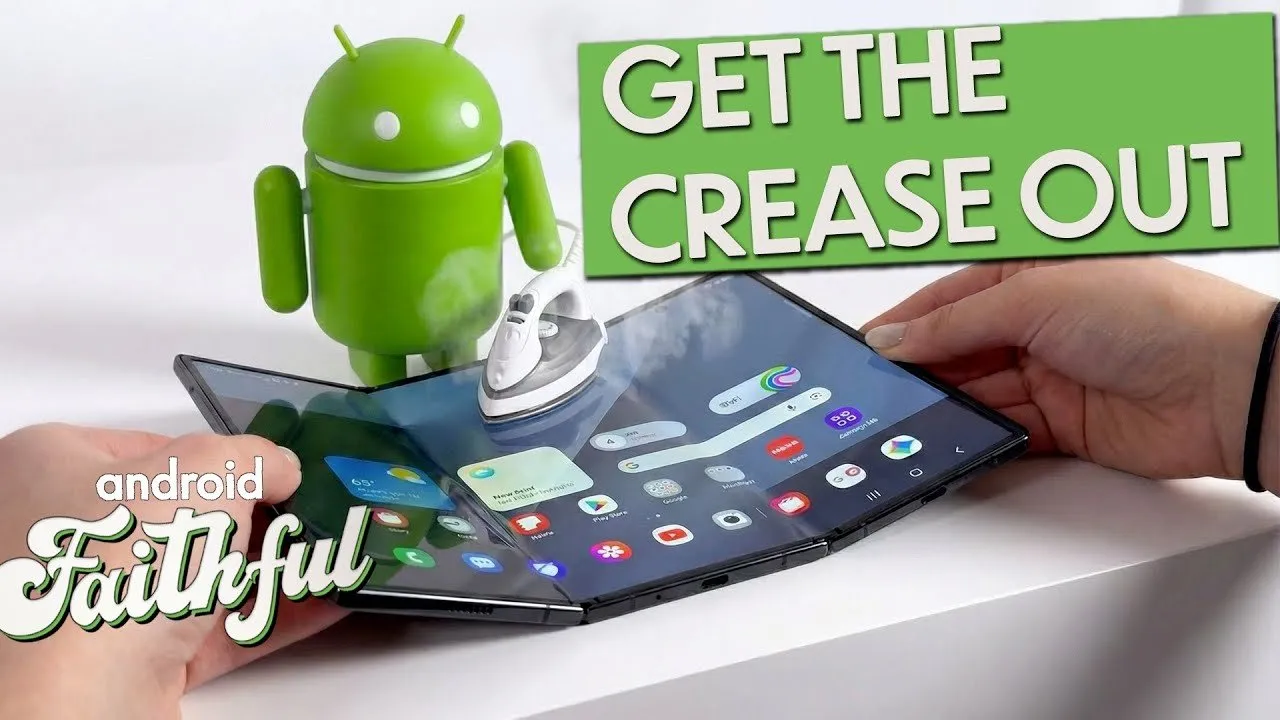
New technical details have emerged regarding the future of foldable screens. Leaks point to a new manufacturing technique by Samsung involving laser-drilled micro-perforations in the metal support layer beneath the glass. This method distributes stress more evenly than rigid metal plates, potentially solving the crease issue that has plagued the form factor since its inception. Analysts believe this same technology will be utilized in Apple’s upcoming foldable device.
Google Ecosystem Updates: Pixel 10a and Android Desktop
Google’s hardware roadmap appears to be accelerating. Reliable leaker Roland Quandt reports that the Pixel 10a will see an early release in mid-February 2026, a significant shift from the traditional spring launch window. The device is expected to feature the Tensor G4 chip and introduce a new "Berry" colorway.
On the software front, Google is rolling out the January 2026 update for Pixel devices, addressing specific bugs related to battery drainage and display flickering. Additionally, code analysis of the Google Phone app suggests a new "My Calling Card" feature is in development. This would allow users to set their own profile image that appears on the recipient's phone, overriding the need for the other party to manually assign a photo.
Finally, Google continues to refine the convergence of mobile and desktop computing. A Google VP confirmed during a recent AMA that while the company is heavily investing in an Android-based desktop operating system, support for existing ChromeOS devices will continue through their promised end-of-life dates.
What’s Next
With the CES dust settling, the industry’s focus now turns to the Mobile World Congress (MWC) in Barcelona for further non-US hardware announcements. Domestically, consumers can expect the Pixel 10a to hit shelves next month, serving as the first major mid-range release of the year.